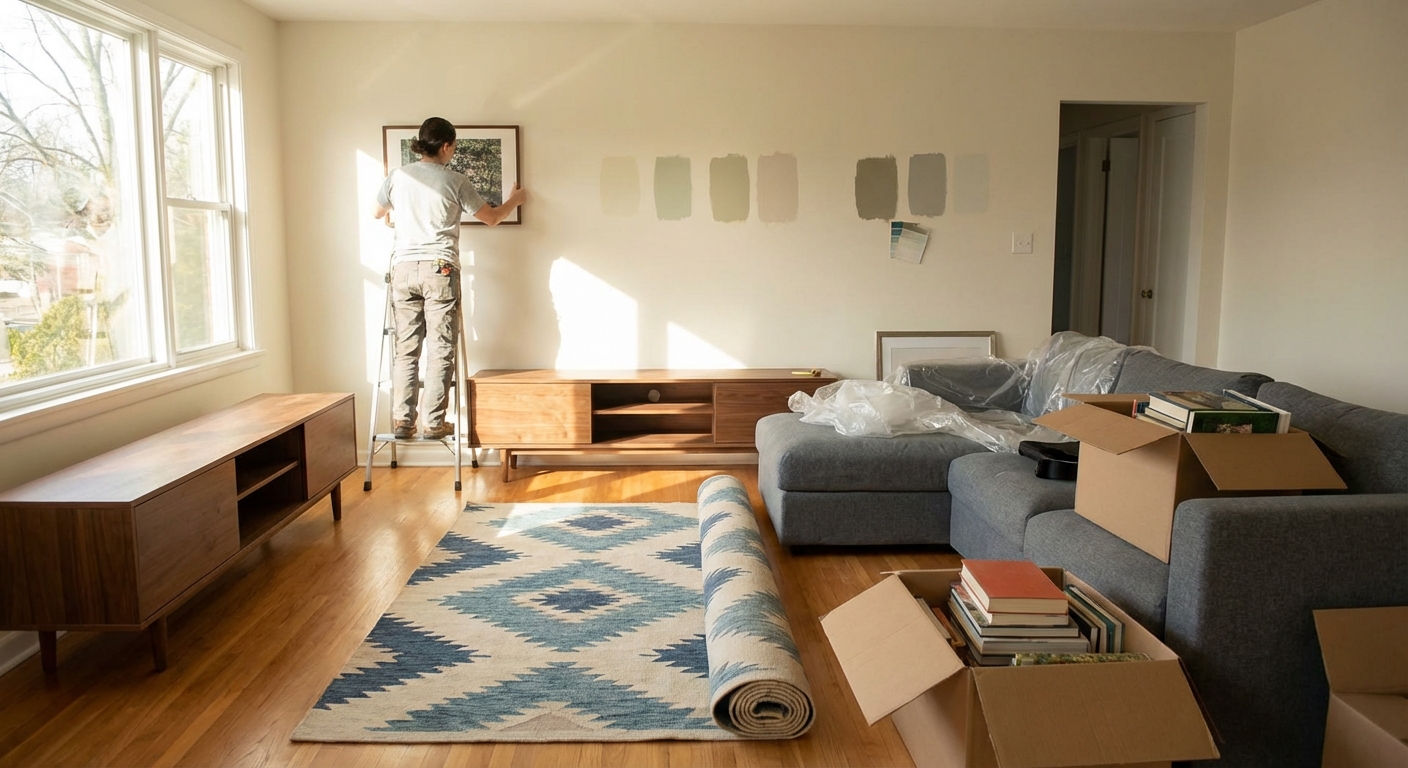
Guide to HomeGoods Furniture Versus Decor Pieces
what happened the first time I really looked—properly looked—at their furniture instead of just beelining for the decor aisle.
If you’ve ever stood in the middle of HomeGoods clutching a throw pillow in one hand and hovering over a coffee table with the other, wondering, “Is this where I should actually buy my furniture… or just the cute extras?”—same.
Over the past few years, I’ve tested HomeGoods pieces in my own home (and a couple of brave friends’ homes), from side tables to rugs to framed art and an infamous bar cart that nearly broke my heart. Here’s the honest breakdown of HomeGoods furniture versus decor pieces, so you can shop smarter and avoid the “why did I buy this?” regret.
How HomeGoods Is Really Set Up (Once You Start Paying Attention)
When I started deliberately testing HomeGoods as a sourcing spot, I noticed something: the store is basically divided into two “ecosystems.”
- Furniture & Large Pieces – accent chairs, benches, coffee tables, sideboards, occasional dining chairs, console tables, some headboards.
- Decor & Styling Pieces – lamps, textiles, art, mirrors, vases, trays, candles, small storage, seasonal decor.
The key difference isn’t just size. It’s how much wear and tear the item will face and how costly it is to replace if it fails.
Furniture has to survive daily life: kids, pets, coffee spills, that one uncle who always leans back too far in chairs. Decor? Mostly vibes and dusting.
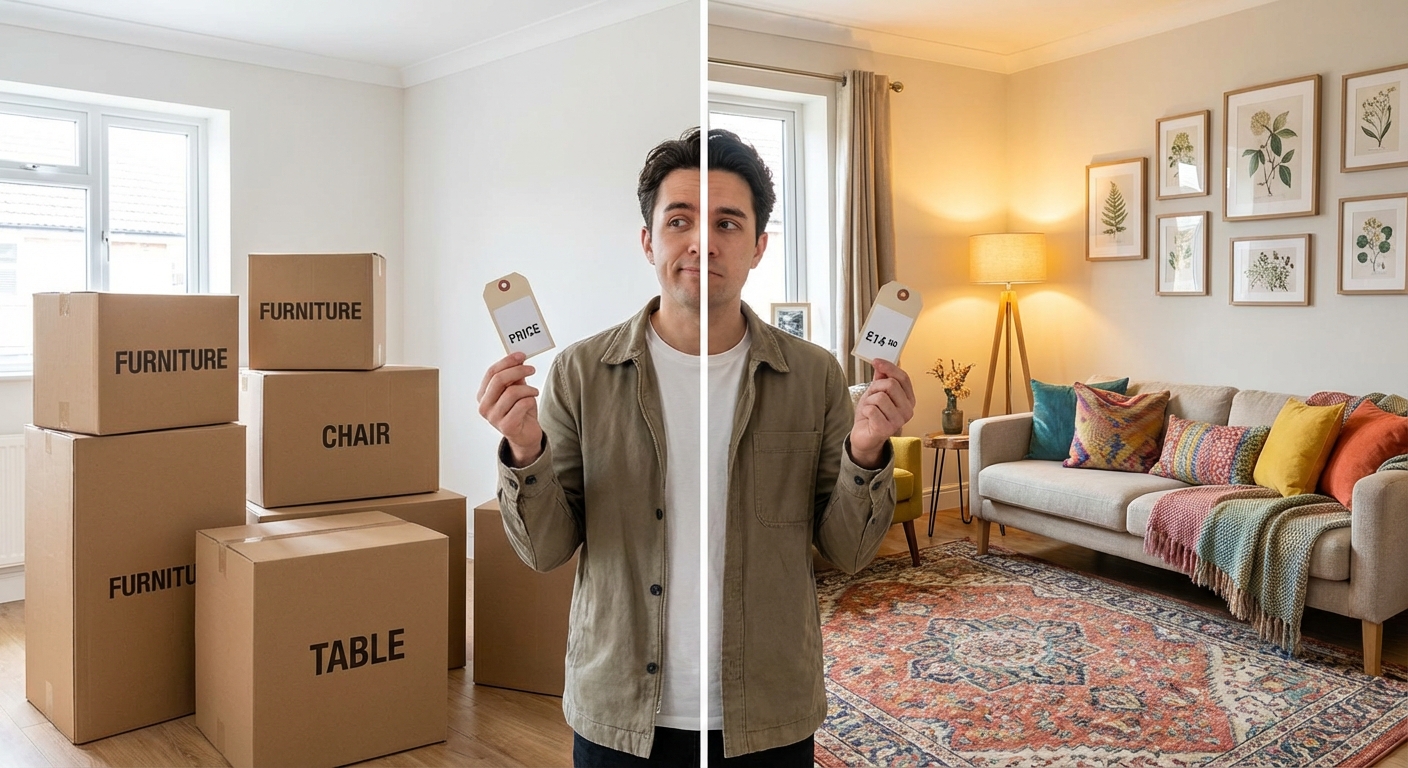
So I started treating HomeGoods like this:
- Furniture: “Would I be okay if this breaks or looks rough in 2–3 years?”
- Decor: “Does this look way more expensive than it is, and will I love looking at it every day?”
When HomeGoods Furniture Is Actually Worth It
The unexpected heroes: accent and occasional furniture
In my experience, accent furniture is where HomeGoods shines:
- Side tables & end tables – I bought a marble-topped side table with metal legs for under $80. Two years in, it’s still solid, no wobble, and guests always assume it’s from West Elm.
- Benches & entryway consoles – These don’t take the same beating as a sofa, and HomeGoods often carries solid wood or wood veneer versions that look custom once styled.
- Accent chairs – Here you have to sit-test carefully, but for a reading corner or guest room, I’ve had good luck. I snagged a linen barrel chair for a client that has held up for 3+ years in a low-traffic corner.
I look for:
- Real wood or sturdy MDF (not flimsy particle board that feels like a cereal box).
- Welded metal joints instead of thin, screwed-together frames.
- Chairs with tight upholstery and consistent stitching.
When I tested stability, I did the unglamorous “wiggle test” in the aisle—hand on the back, gentle side-to-side rock. If it rattled like a grocery cart, it stayed.
Where furniture can flop
I’ve had misses too.
- Bar cart disaster: I once bought a gorgeous gold bar cart that looked like it belonged in a boutique hotel. Assembly was easy, but after a few months, the wheels started squeaking and one leg bent from the weight of bottles. It was a classic case of form over function.
- Dining chairs: I tested a set for a friend’s apartment. They looked stunning, but after six months of daily use, the foam flattened and the fabric pilled. Fine for staging, not great for real life.
If a piece will be used multiple times a day (sofas, everyday dining chairs, beds), I usually recommend buying from retailers where you can check weight capacity, frame construction, warranty, and fabric rub counts (like 30,000+ double rubs on the Wyzenbeek test is ideal for heavily used upholstery).
HomeGoods doesn’t provide that level of spec detail—what you see is what you get.
Why Decor Is HomeGoods’ Secret Weapon
If furniture is a “maybe,” decor is a resounding yes most of the time.
Where decor absolutely wins
These are the categories where I almost always check HomeGoods first:
- Throw pillows & blankets: I recently swapped out a set of tired sofa pillows with two oversized feather-insert pillows from HomeGoods for under $30 each. I saw a near-identical style on a designer site later for triple the price.
- Lamps: You can find ceramic bases, linen shades, and on-trend silhouettes that would cost 3–4x more at higher-end retailers. I’ve found matching pairs too, which is gold for bedroom nightstands.
- Mirrors: Floor mirrors and statement wall mirrors are consistently one of the best values. Heavy, large-scale pieces that instantly make a room feel styled.
- Art & framed prints: When I tested a gallery wall using only HomeGoods finds, the entire thing cost less than a single framed piece from a custom shop. The trick is being picky—avoid generic clichés and look for interesting color palettes or textures.
Decor doesn’t need to survive extreme daily stress. So the risk is lower, and the impact is huge. Research from the University of Texas on environmental psychology has shown that personal and aesthetic touches in a space can significantly affect mood and perceived comfort.
The one big decor trap: impulse clutter
My biggest HomeGoods mistake category? Tiny, cute, useless stuff.
The mini sculptures, overly wordy signs, random trinkets… I’ve bought them. I’ve regretted them.
When I tested my own clutter threshold, I realized the things that lasted were:
- Functional (trays, bowls, boxes, baskets)
- Large-scale impact items (art, mirrors, big vases)
- Textiles that changed the feel of the room (rugs, pillows, throws)
Everything else either ended up in a donation box or a cabinet.
Quality Clues I Always Check In-Store
Because HomeGoods buys overstock and unique lots from multiple brands, quality can swing wildly. I treat every piece as a one-off and do a quick inspection.
Here’s what I actually do when I’m standing there debating:
- Weight test: For furniture and mirrors, I gently lift a corner. Extremely light plus large size often signals cheaper materials.
- Underside check: I’m the person who crouches down. I look for solid support slats on benches and chairs, and real wood or sturdy MDF instead of crumbly particle board.
- Hardware & joinery: Dovetail joints on drawers are great but rare at this price point. Still, I avoid drawers that feel wobbly or don’t run smoothly.
- Fabric & stitching: On chairs and pillows, I run my hand along seams to check for loose threads and uneven stitching.
And I always check the return policy at the register. TJX (the parent company of HomeGoods) typically has a 30-day return window with receipt, but that can vary, so I don’t gamble on high-risk furniture pieces if I’m not sure.
When to Choose Furniture vs. Decor at HomeGoods
Here’s how I’ve learned to split my budget there.
HomeGoods is great for furniture when:
- You’re furnishing a guest room, home office, or low-traffic area.
- You need one or two statement pieces (like an accent chair or console) to elevate a space.
- You’re okay with style over long-term durability and see the piece as a 3–5 year solution.
HomeGoods is brilliant for decor when:
- You want a room refresh without replacing major furniture.
- You’re styling for a season, event, or staging a home to sell.
- You need finishing touches: lamps, art, rugs, and textiles that make the room feel intentional.
Personally, my home is a mix: sofa and bed from major furniture retailers with detailed specs and warranties; accent tables, mirrors, art, and 90% of my throw pillows from HomeGoods.
How to Shop HomeGoods Like a Designer (Without Saying You Are One)
When I’m sourcing for clients, I use a simple mental checklist:
- Start with measurements. I’ve learned the hard way that “this looks about right” in a giant store does not translate to a small apartment. I keep room and wall measurements on my phone.
- Pick a color story before you go. I recently did a warm-neutral-with-deep-blue accents scheme and only allowed myself to buy within that palette. It killed 80% of impulse purchases instantly.
- Assign roles: Before I buy something, I literally ask, “Where will this live and what will it do?” If I can’t answer in 3 seconds, I put it back.
- Think in layers: Get one or two anchor items (mirror, art, rug), then fill in with supporting decor like pillows and smaller accessories.
Design pros do this intuitively; I’ve just hacked a version of it from trial, error, and too many receipt piles.
The Bottom Line: Furniture vs. Decor at HomeGoods
When I tested HomeGoods as a major source instead of just a “fun wander,” the pattern was clear.
- Furniture: Great for accent and occasional pieces, risky for high-abuse items. Treat it as style-forward, medium-term furniture rather than heirloom quality.
- Decor: One of the best value spots around. If you’re smart and a bit picky, you can get a designer-level look on a big-box budget.
If you walk in with measurements, a color plan, and a clear idea of what should come from HomeGoods versus what should come from more spec-heavy retailers, you’ll end up with a home that looks curated, not chaotic—and a receipt that doesn’t make you wince.
Sources
- HomeGoods Official Site - Brand, policies, and general product overview
- TJX Companies Annual Report 2023 - Background on HomeGoods’ off-price buying model
- University of Texas at Austin – Psychology of Interior Design - Research on how decor and interiors affect mood
- Consumer Reports – How to Buy Quality Furniture - Guidance on evaluating furniture quality and durability
- Forbes – The Rise Of Off-Price Retail - Context on off-price retailers like HomeGoods and value dynamics