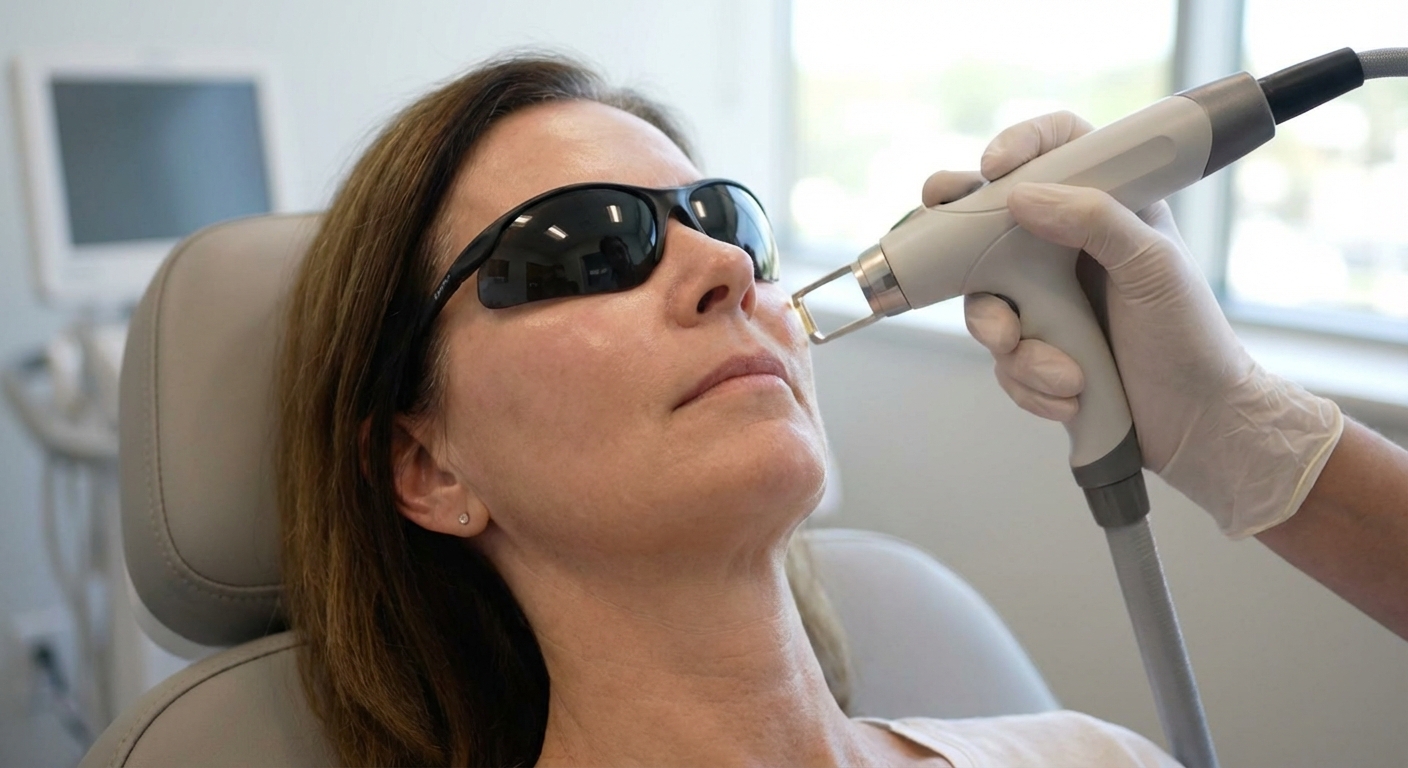
Guide to Hyaluronic Acid Benefits for Skin
HA has basically main-character energy in skincare.
I used to roll my eyes at it. It sounded like classic marketing: “This molecule holds 1,000 times its weight in water!” Cool flex, but does that actually translate to better skin?
Then I tested it properly.
I swapped my usual moisturizer-only routine for a simple HA serum plus moisturizer combo for 30 days. By week two, my dehydrated cheeks looked less crepey, my forehead lines were softer in the morning, and my makeup stopped clinging to dry patches around my nose. That’s when I went down the hyaluronic rabbit hole—studies, dermatology lectures, ingredient lists, the works.
Here’s what I’ve learned (and what actually worked on my face), without the fluffy marketing hype.
What Hyaluronic Acid Actually Is (No, It’s Not Harsh Acid)
When I first heard "acid," I pictured a peel or something stingy. But hyaluronic acid isn’t that kind of acid.
Hyaluronic acid is a glycosaminoglycan—basically a long sugar molecule that lives naturally in your skin, eyes, and joints. Dermatologists often just call it HA.
About 50% of the HA in your body is in your skin, sitting in the extracellular matrix, helping keep things bouncy and hydrated.
Key points in plain language:
- It’s already in your body; your skin knows what to do with it.
- It’s a humectant, which means it pulls water toward it like a sponge.
- It can bind up to 1,000 times its weight in water in a lab environment (Stern et al., 2006). Real skin is more complex—but it’s still a serious hydrator.
As we age, natural HA levels drop, plus UV exposure and pollution break it down faster. That’s a big reason skin looks flatter, duller, and more lined over time.
How Hyaluronic Acid Benefits the Skin (Backed by Research)
1. Deep Hydration and Plumper Look
When I tested HA properly—that means damp skin + HA + moisturizer—my skin didn’t just feel softer; it actually looked thicker and less deflated.
That’s not just “vibes.” Multiple studies have shown topical HA:
- Improves skin hydration and elasticity
- Reduces wrinkle depth with consistent use
One 2011 double‑blind study in the Journal of Clinical and Aesthetic Dermatology found that topical low-molecular-weight HA significantly improved wrinkles, skin elasticity, and hydration over 8 weeks compared to placebo.
HA itself isn’t “anti-aging” like retinoids, but by increasing water content, it:
- Softens the look of fine lines
- Makes skin look plumper and healthier
- Gives that “glass skin” effect when layered right
2. Strengthening (Not Replacing) the Skin Barrier
When my barrier was wrecked from overdoing acids, HA was one of the few things I could use that didn’t sting.
Hydrated skin = less transepidermal water loss (TEWL). HA helps by:
- Holding water in the skin
- Making the outer layer (stratum corneum) more flexible
It works even better when paired with ceramides and occlusives (like petrolatum, dimethicone, squalane). Think of HA as the water magnet and your moisturizer as the lid on the pot.
3. Supporting Wound Healing and Redness
I noticed my skin looked calmer and less blotchy on HA days, especially after shaving or using actives.
There’s science behind that:
- HA plays a key role in wound healing, inflammation control, and tissue repair.
- It’s used in burn and wound dressings because it supports cell migration and tissue regeneration.
We’re not talking miracle scar eraser, but in my experience, HA serums help skin bounce back faster after retinoid flakiness, post-facial redness, or over-exfoliation—as long as you’re not overdoing other actives.
4. Immediate Glow (a.k.a. Makeup Sits Better)
One of the first things I noticed when I tested HA under makeup: foundation didn’t catch on dry patches, and my skin looked more like… skin.
HA gives:
- A temporary plumping effect
- A subtle, healthy sheen (without obvious greasiness)
That’s why so many makeup primers now sneak in HA—it basically smooths your canvas by filling in micro-gaps with water.
Types of Hyaluronic Acid (This Actually Matters)
When I began reading ingredient lists, I realized not all HA is the same. Brands throw around words like “multi-molecular” and “crosslinked” like confetti.
Here’s the digestible version:
- High Molecular Weight HA (HMW)
- Big molecules, sit more on the surface
- Great for instant hydration and smoothing
- Very gentle, good for sensitive skin
- Low Molecular Weight HA (LMW) and Oligo HA
- Smaller molecules; can penetrate deeper into the epidermis
- Better for longer-lasting hydration and plumping
- Some data suggests extremely tiny fragments may be more pro‑inflammatory, but cosmetic formulas usually balance sizes.
- Sodium Hyaluronate
- Salt form of HA, smaller and more stable
- You’ll see this on INCI lists a lot—this is still hyaluronic acid for practical purposes.
In my routine, I’ve had the best results with serums that list “sodium hyaluronate” plus “hydrolyzed hyaluronic acid”—that usually means a mix of molecular weights.
How to Use Hyaluronic Acid So It Actually Works
Here’s where a lot of people mess up. I did too at first.
The first time I used HA, I slapped it on dry skin in a heated room, skipped moisturizer, and then wondered why my face felt tighter an hour later.
HA is a humectant. If there’s no moisture to grab from the environment or your products, it can pull it from deeper layers of your skin and you end up feeling drier.
My Basic HA Routine That Actually Delivers
- Cleanse gently (no harsh stripping cleansers).
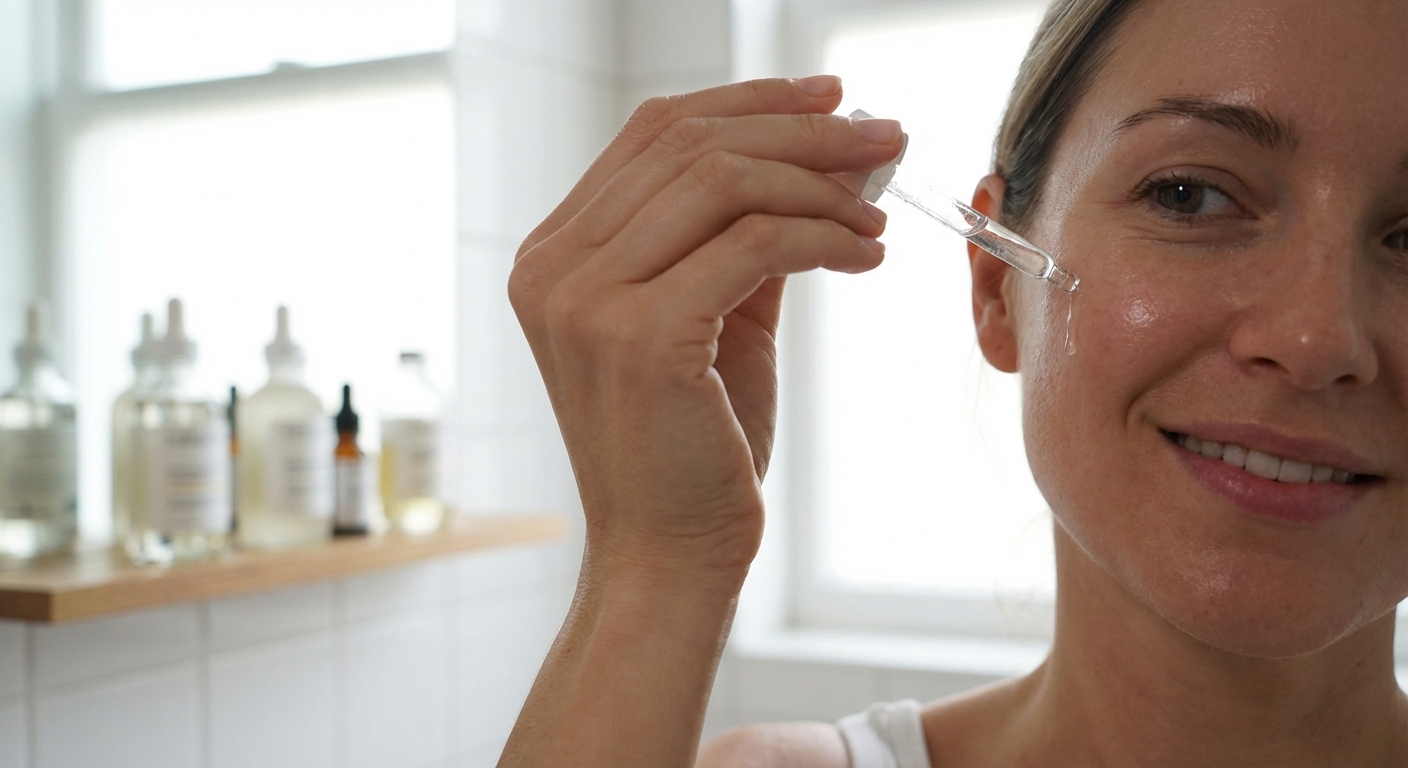
- Apply HA on damp skin. After rinsing, I pat my face until it’s just slightly wet, then apply 2–3 drops of serum.
- Seal with a moisturizer. Bonus points if it has ceramides, glycerin, or squalane.
- Optional: top with an occlusive (like a thin layer of petrolatum) at night if your skin is extra dry.
In my experience, the difference between “meh” and “wow” with HA is almost always the moisturizer step. HA + no barrier on top can backfire.
Pros and Cons: What Hyaluronic Acid Can & Can’t Do
The Pros (When It Shines)
- Instant, visible hydration – Skin looks fresher within minutes.
- Plumps fine lines temporarily – Especially under eyes and on forehead.
- Plays well with most ingredients – Retinoids, vitamin C, niacinamide, peptides.
- Generally very well-tolerated – Low risk of irritation for most skin types.
- Safe for long-term use – Your body naturally metabolizes HA.
The Cons (The Stuff No One Puts on the Label)
- It’s not magic for deep wrinkles. It can soften the look of lines by hydrating, but doesn’t remodel collagen the way retinoids do.
- Can feel sticky or pilling – Some formulas leave a tacky film or ball up under makeup. I’ve had to abandon more than one “viral” serum for this reason.
- May backfire in ultra-dry air – In very low humidity (think desert climate, overheated rooms), humectants can feel drying if you don’t layer correctly.
- Doesn’t replace a good moisturizer – HA is a supporting player, not the entire cast.
Who Benefits Most from Hyaluronic Acid?
From my own testing and what dermatologists report, HA shines for:
- Dehydrated (not just dry) skin
Your skin might be oily and dehydrated. If your face is shiny but feels tight or looks dull, HA can help.
- Sensitive or reactive skin
Most people tolerate HA well, especially fragrance-free formulas. I reached for HA serums when my barrier was angry and couldn’t handle much else.
- Aging or photo-damaged skin
As natural HA levels drop with age, adding it back topically can improve plumpness and elasticity—especially combined with SPF and retinoids.
- Anyone using strong actives (retinoids, acids, benzoyl peroxide)
HA buffers a bit of the dryness and helps skin recover.
If your skin is extremely oily and you hate any sense of “layering,” go for a lightweight HA gel or find a moisturizer that already contains HA so you’re not adding extra steps.
Picking a Good Hyaluronic Acid Product
I’ve tested everything from $10 drugstore serums to luxe $90 options. Honestly? The price-to-result ratio is… chaotic.
What I look for now:
- Fragrance-free (or very low fragrance), especially if your skin is reactive.
- Multiple molecular weights of HA – Look for “sodium hyaluronate,” “hydrolyzed hyaluronic acid,” or “hyaluronic acid crosspolymer.”
- Other humectants – Glycerin, panthenol, aloe, urea.
- Barrier support – Ceramides, cholesterol, fatty alcohols, squalane.
If a serum is basically just water, HA, and marketing, I’d personally rather spend on a well-formulated moisturizer that happens to include HA than a standalone “miracle” serum.
Where Hyaluronic Acid Goes Beyond Skincare (Quick Note)
Just to separate worlds:
- Topical HA – Serums, creams, masks. Great for hydration and superficial plumping.
- Injectable HA fillers – Like Juvederm or Restylane, done by professionals to add volume and fill wrinkles. Totally different category.
The benefits you’ll see from a serum are more subtle and temporary than filler, but far safer and easier to control at home.
My Honest Take After Long-Term Use
After over a year of consistently using hyaluronic acid in my routine, here’s my unfiltered verdict:
- My skin looks and feels more hydrated, especially in dry seasons.
- Fine lines on my forehead and around my eyes look softer, but they didn’t “disappear.”
- When I skip HA and moisturizer for a few days during travel, my skin quickly looks dull and tight again—so the effect is definitely maintenance-based, not permanent.
- HA works best for me as a supporting act: it amplifies the benefits of good moisturizers and calming routines, and makes my actives more tolerable.
If you expect hyaluronic acid to erase ten years off your face, it’ll disappoint you. If you use it as a hydration workhorse and a barrier sidekick, especially applied correctly and layered with moisturizer, it’s one of the most reliable, low-risk upgrades you can make in your skincare routine.
Sources
- Hyaluronic Acid: A Key Molecule in Skin Aging – National Library of Medicine (NIH) - Overview of HA’s role in skin structure and aging
- Moisturizers: The Slippery Road – Harvard Health Publishing - Explains humectants like hyaluronic acid and how to layer them
- Hyaluronic Acid: A Key Ingredient for Hydrated Skin – American Academy of Dermatology - Dermatologist guidance on HA use in skincare
- What Is Hyaluronic Acid? – Cleveland Clinic - Medical overview of HA in skincare and injectables
- Hyaluronic Acid Fillers – U.S. Food & Drug Administration (FDA) - Safety information about HA dermal fillers (for contrast with topical use)