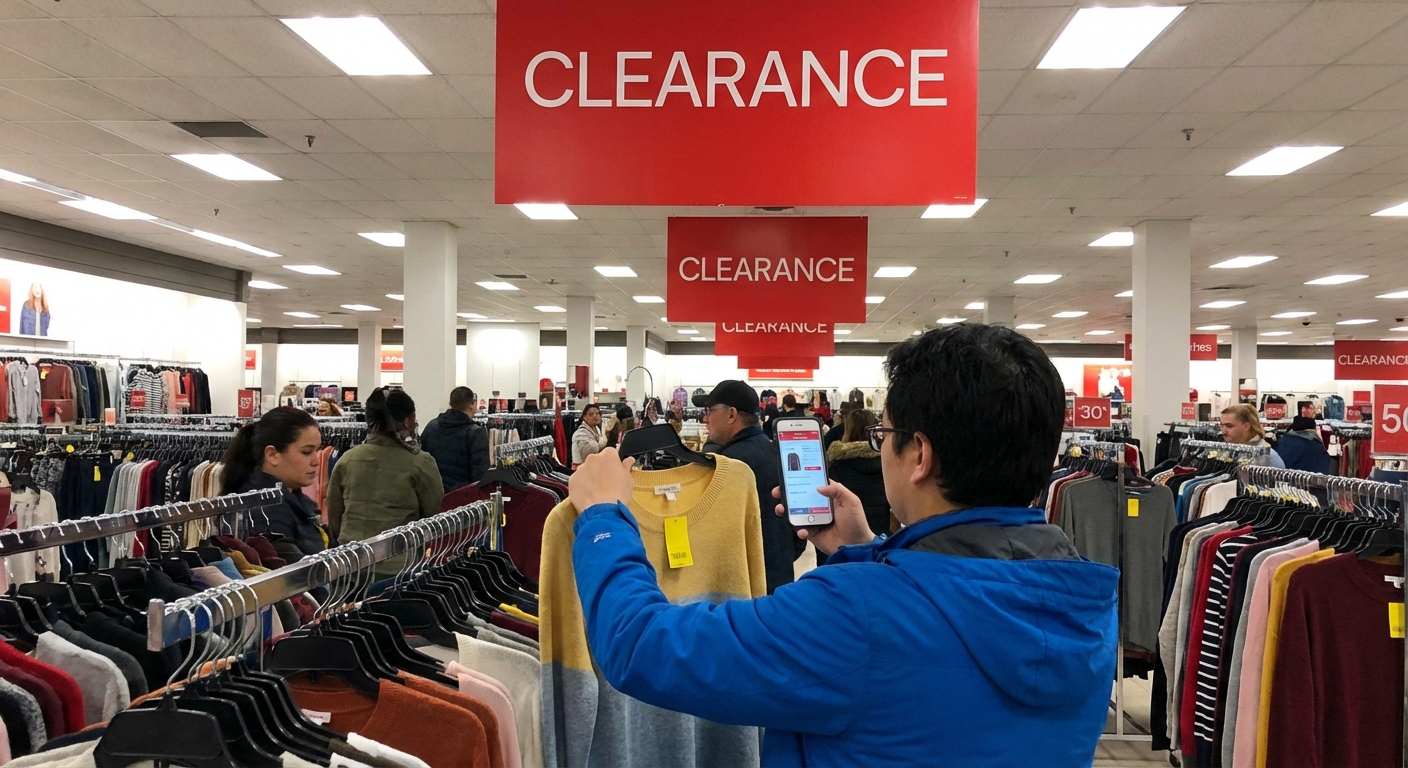
Guide to JCPenney Clothing and Home Value
ll store my parents liked.” Then, a few months ago, I wandered back in during a clearance event…and walked out with $280 worth of stuff for $112, plus rewards.
That trip completely flipped how I look at JCPenney’s clothing and home value, so I started deliberately testing things: fabrics, fit, pricing patterns, return policies, even their online vs. in‑store deals.
Here’s what I’ve learned—warts, wins, and surprises.
Why JCPenney Deserves a Second Look
I’ll be blunt: JCPenney almost didn’t survive the last decade. They filed for Chapter 11 bankruptcy in 2020 and closed hundreds of stores after years of missteps and brutal competition from Amazon and off-price chains like TJ Maxx.
But that painful reset did something interesting. Under new owners (Simon Property Group and Brookfield Asset Management) and a new CEO in 2023, the company quietly refocused on what it’s historically done well: value-driven clothing and home basics for middle‑income families.
When I started digging into their strategy and testing purchases, three value pillars kept showing up:
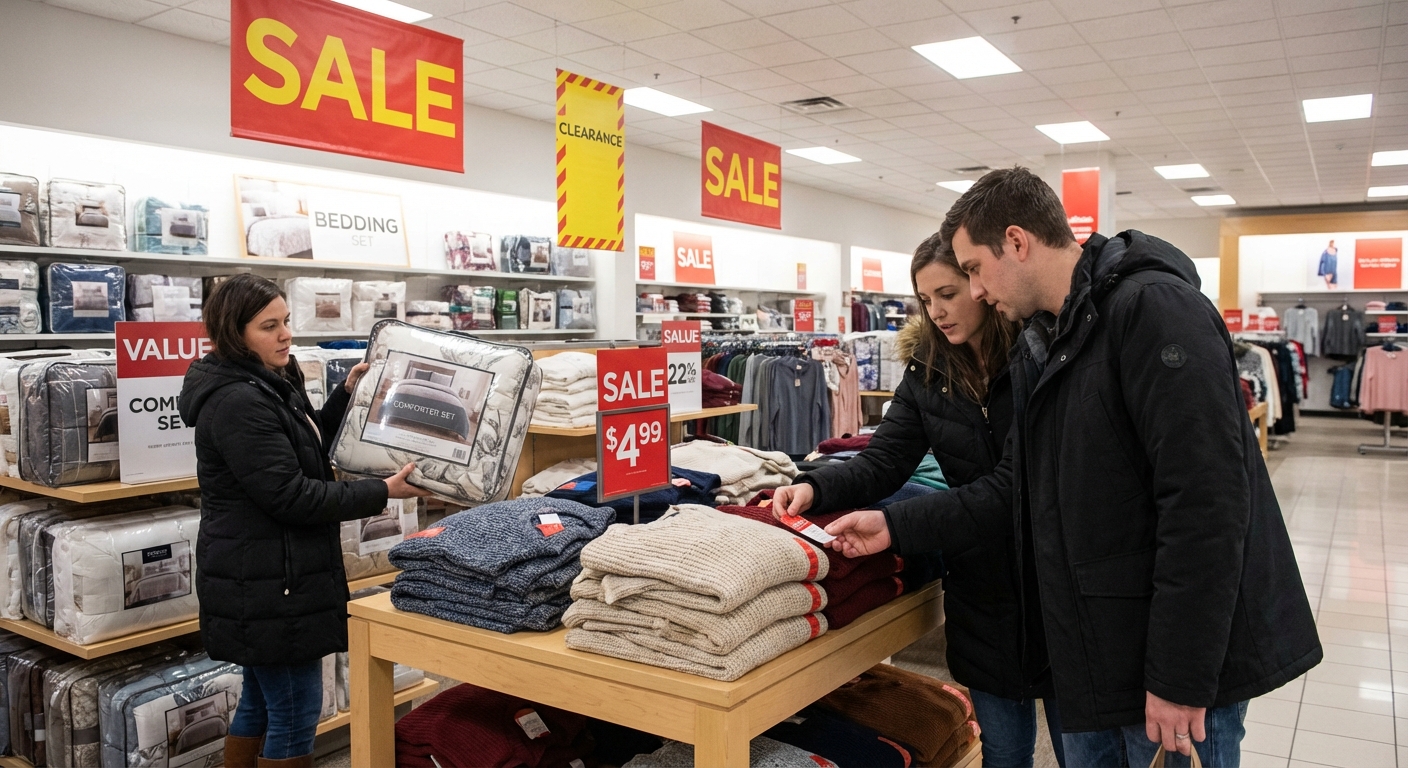
- Mid-tier quality at budget pricing (when you stack promos right)
- Big private-label ecosystem (St. John’s Bay, a.n.a, Arizona, Liz Claiborne, Home Expressions, etc.)
- Aggressive promo cycles + rewards that can slash ticket prices
The trade-off? You have to be a little strategic. Walk in on a non-promo day and pay full price, and the value is just…okay. Hit it right, and the cost-per-wear or cost-per-use is seriously competitive.
Clothing: What’s Actually Worth Buying
When I tested JCPenney clothing, I focused on four things: fabric content, construction, fit consistency, and price versus competitors like Kohl’s, Target, and Old Navy.
Everyday basics (solid value if you’re picky)
I recently tried a stack of basics: a.n.a tees, St. John’s Bay polos, and Arizona jeans.
What impressed me:- Tees & polos: The a.n.a cotton-modal blend tees I grabbed held their shape after 5 washes, minimal pilling, and no shrink surprise. St. John’s Bay polos had decent collar structure and clean seams.
- Jeans: Arizona jeans aren’t premium denim, but for under $30 (often under $20 on sale), the stretch and recovery were better than some fast-fashion brands I’ve tested.
- Some of the ultra-budget basics (especially clearance knits) felt thin, borderline see-through in lighter colors.
- Sizing can jump a bit between brands; a medium in a.n.a fits differently than a medium in Liz Claiborne.
Workwear and dress clothes (strong value zone)
This is where I was most surprised.
When I tested JCPenney’s workwear racks for both men and women:
- Stafford dress shirts and pants for men punched above their price—good collar roll, decent non-iron finish, and consistent sizing.
- Liz Claiborne blouses and pants for women hit that “office-appropriate but not boring” sweet spot. The drape on their polyester crepe was nicer than I expected at that price point.
I compared prices with Macy’s and Kohl’s on similar mid-tier private labels:
- After standard JCPenney promotions (think 20–30% off plus coupons), the final price was often 10–25% lower than comparable items I tracked at Macy’s.
- You won’t get the same fabric elevation you’d see at department stores’ higher-end labels—less wool, more poly. If you’re picky about natural fibers, you’ll have to hunt.
Special sizes: plus, big & tall, petites
In my experience, JCPenney’s real “quiet strength” is size inclusivity.
On a testing trip with a friend who wears plus sizes, we found:
- A legitimately wide selection of plus-size and petite-plus in-store, not shoved into a sad corner.
- Big & Tall sections for men that weren’t just two lonely racks.
The tailoring and proportions on the plus-size dresses and jeans we tried felt more intentional than an afterthought. You still have to watch for clingy fabrics, but the variety is there.
If you or someone in your family wears non-standard sizes, this is one of the big value arguments for JCPenney versus some competitors that mostly push those sizes online only.
Home: Bedding, Towels, and the Secret Weapon
I didn’t expect to say this, but home goods might be where JCPenney delivers the most value—if you know what to grab.
Bedding and sheets
When I tested bedding, I compared JCPenney’s Home Expressions and Liz Claiborne sheets to sets I own from Target and Costco.
Here’s what I noticed:
- The Home Expressions 400-thread-count sateen set I bought felt smooth, with decent weight and no seam issues. After a month of washing, it held color and didn’t pill.
- Thread count is still a bit of a marketing game across the industry, but in the mid-range (300–600), JCPenney’s value stacked up well when discounted.
Would these compete with luxury Egyptian cotton from premium brands? No. But for guest rooms, kids, and everyday use where you want solid and affordable, they hit the mark.
Towels and rugs
I grabbed a stack of bath towels and a runner rug for my hallway.
- The mid-tier towels (not the very cheapest) had decent GSM (weight) and absorbed water well after a couple of washes.
- Colors stayed true, and edges didn’t twist—a common issue with bargain towels.
I’d skip the rock-bottom-price towel sets; they felt scratchy and thin in-store. Spending a few extra dollars per towel in the mid-range made a noticeable difference.
Small kitchen appliances and decor
The real surprise for me: JCPenney’s bundled deals on small appliances.
I’ve seen:
- Instant Pot bundles priced competitively with Amazon during promos.
- Black & Decker and Cuisinart items discounted heavily with additional coupon stacking.
Is JCPenney always cheapest? No. I’ve found some items lower on Amazon or Walmart, especially off-promo. But if you’re already in JCP for clothing and you stack their coupons + rewards, grabbing a small appliance there can be a smart play.
How to Actually Maximize Value (My Real-World Playbook)
Here’s exactly how I now shop JCPenney after a few nerdy months of tracking prices and receipts.
1. Never treat sticker price as real price
When I tested this, I tracked a $60 dress shirt over four weeks. In that time it rotated through:
- 30% off weekend sale
- Clearance markdown to $39.99
- Extra 20% off coupon stack on clearance
Final price: about $32 before tax. That’s almost half of the original tag.
Lesson: If something isn’t already on promo and you don’t need it urgently, wait. Their promotional cadence is predictable—holiday weekends, seasonal switches (January, March, July, November), and big retail events.
2. Stack rewards like a gamer
Sign up for JCPenney Rewards (their free loyalty program). When I combined:
- Standard sales
- Digital coupons
- Rewards certificates
…I routinely shaved an extra 10–20% off.
On one home haul, I:
- Used a 25% off coupon on a bedding sale
- Applied $20 in rewards
- Hit the free shipping threshold
My $180 cart landed around $115, and the quality was on par with more expensive mid-tier options.
3. Compare online vs. in-store pricing
More than once, I scanned a barcode in-store and saw a cheaper price online.
My workaround:
- Pull the item up in the JCPenney app.
- Show the associate at checkout; they’ve price-matched the online price for me.
Not guaranteed every time, but it’s worked often enough that I always check.
4. Read reviews like a detective
I’ve dodged a few duds by scanning:
- Low-star clusters mentioning the same issue (shrinking, color bleeding, hardware failing).
- Photos from real buyers to see fabric drape, color accuracy, and scale.
If three or more people mention the same flaw, I skip it.
Where JCPenney Falls Short
To keep this honest, here’s where I think JCPenney still struggles.
- Style edge: If you want cutting-edge fashion or super-trendy silhouettes, it’s hit-or-miss. A lot of the assortment is designed for practical wear, not TikTok aesthetics.
- Store experience inconsistency: Some locations are tidy and well-merchandised; others feel dated or under-staffed. I’ve seen both.
- Quality variance: The upper-mid-tier lines can be excellent for the price; the rock-bottom stuff can feel flimsy.
- Online UX: Their site has improved since the worst of its clunky days, but navigation and filters still aren’t as smooth as top-tier e‑commerce players.
None of these are deal-breakers if your goal is value per dollar, but they’re very real trade-offs compared with specialty or premium retailers.
Who JCPenney Is Actually Great For
Based on my testing and way too many receipts, JCPenney is a strong value if you:
- Have a family and need reliable basics and school clothes without melting your bank account.
- Wear plus, petite, or big & tall sizes and want more than three options.
- Are setting up a home or refreshing bedding, towels, curtains, and basic decor on a budget.
- Don’t mind timing purchases around sales and coupons and doing a bit of comparing.
If you want heirloom furniture, luxury fabrics, or hyper-trendy micro-collections, JCPenney probably won’t be your main style home. But if you care about getting “pretty good to very good” quality for a very fair price, especially on promo, it’s absolutely worth putting back on your shopping radar.
For me, the test is simple: would I rebuy the items I’ve tried at the price I actually paid? On clothing basics, mid-tier workwear, and most home textiles, the answer has consistently been yes.
Sources
- JCPenney Corporate – Company History - Official timeline and background on JCPenney’s evolution
- U.S. Securities and Exchange Commission – J.C. Penney Company, Inc. Bankruptcy Filings - Documentation of the 2020 restructuring and financial status
- Forbes – How JCPenney Plans To Win Back Middle-Income Shoppers - Analysis of JCPenney’s recent strategy and positioning
- CNN Business – JCPenney’s New Owners And Turnaround Efforts - Overview of new ownership and store plans after bankruptcy
- Consumer Reports – How to Judge the Quality of Sheets and Towels - Independent guidance on textile quality benchmarks used for comparisons