Guide to Oakley Assault Boots Materials, Fit, and Care
finally caved and picked up a pair of Oakley SI Assault Boots. Since then I’ve used them for range days, airport sprints, light hikes, and one absolutely miserable rainy field exercise that I still think about.
This is the guide I wish I’d had before I bought my first pair.
Why Oakley Assault Boots Got So Popular
I first discovered Oakley Assault Boots through a friend in the military who swore they were the only boots that didn’t destroy his feet during long days on concrete. I shrugged it off—until I tried his pair on.
When I tested them during a weekend training course, what jumped out at me was how light they felt compared to traditional combat boots. No brick-feet, no stiff clomping. They felt more like trail runners that happened to survive a war movie.
Oakley originally pushed these in their SI (Standard Issue) line, catering to military, law enforcement, and first responders. Over time they spilled into the civilian world: preppers, airsoft players, outdoor workers, and people who just like the tactical aesthetic.
Are they perfect? No. But they hit a rare mix of:
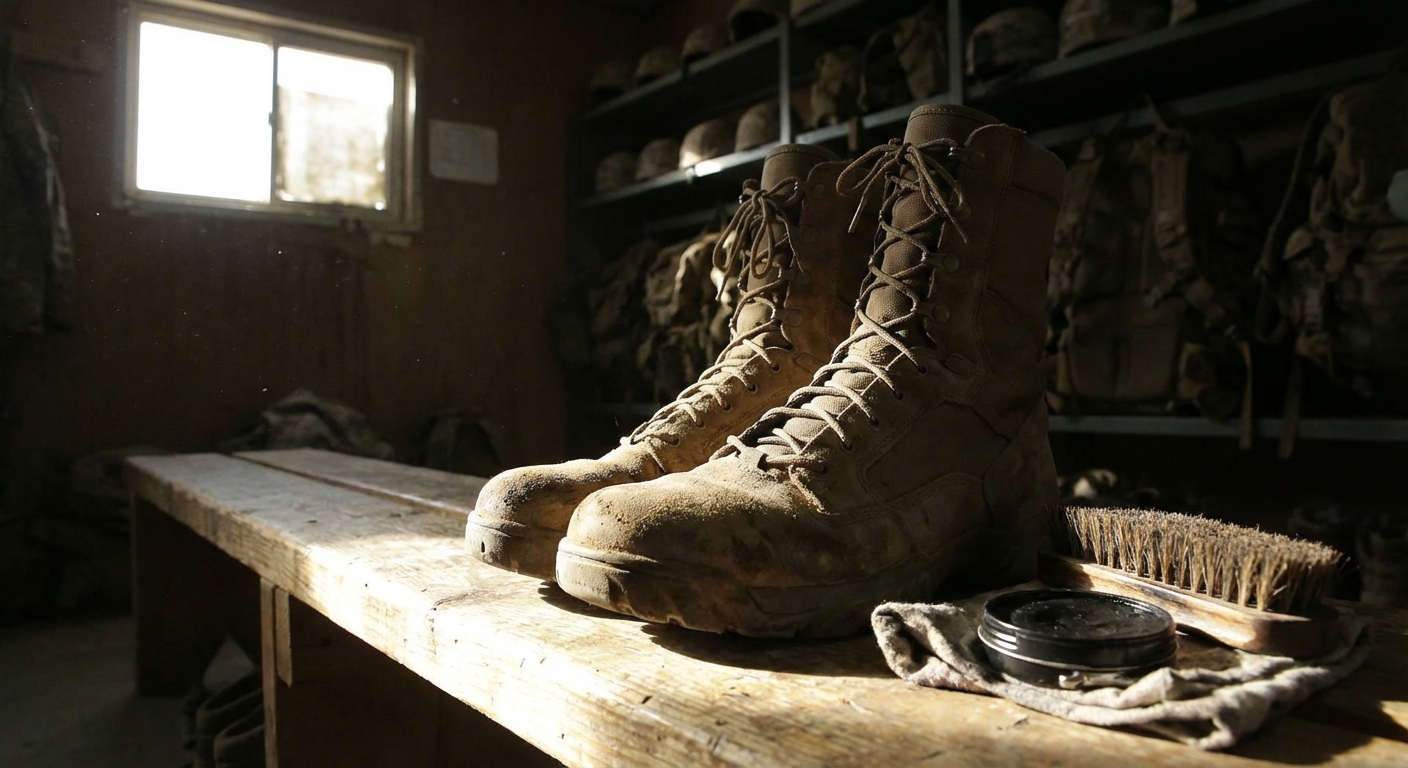
- Light weight
- Decent support
- Respectable durability
- Reasonable comfort out of the box
Let’s break down what actually matters before you drop serious money on them.
Materials: What These Boots Are Actually Made Of
When I first looked at the product tags and tech descriptions, the material list sounded like a lab experiment. But once you know what each part does, picking the right version becomes way easier.
Upper: Leather, Nylon, and Synthetics
Most Oakley Assault Boots use a leather + textile hybrid upper:
- Full-grain or split leather in high-wear zones (toe, heel) for abrasion resistance
- Cordura or ballistic nylon (often 1000D or similar) around the sides and shaft for breathability and weight savings
- Synthetic overlays for added structure without bulk
In my experience, this combo is the sweet spot: the leather protects against scuffs and sharp edges, while the nylon panels keep your feet from cooking.
If you work in very hot environments, look for versions that emphasize mesh or vented panels. Oakley has released multiple iterations, but the general trend is: more nylon/mesh = cooler, less protective; more leather = tougher, warmer.
Midsole: EVA Cushioning
The midsole is usually EVA foam (ethylene-vinyl acetate) — the same lightweight cushioning used in running shoes.
What I felt right away:
- Softer landings on concrete and asphalt
- Less impact on long days walking or standing
The trade-off? EVA can compress over time, especially if you’re heavy or carrying loads. I noticed after about a year of frequent use, the cushioning felt flatter. Not dead, but not as bouncy. That’s normal for EVA-based footwear.
Outsole: Rubber and Traction Pattern
Oakley typically uses a durable rubber outsole with multi-directional lugs. When I tested them on wet pavement, they gripped well, but slick metal surfaces (think wet steel stairs or grates) were still sketchy.
Worth noting:
- The lug pattern is more urban/outdoor hybrid than hardcore mountaineering
- Good for mixed environments: city, dirt trails, gravel, vehicles
- Not a dedicated ice/snow boot — you’ll want real winter traction for that
Optional: Waterproof Membranes
Some versions feature waterproof linings. They’re usually membrane-based (similar in concept to Gore-Tex, though Oakley doesn’t always use that exact brand).
From my rainy field test:
- Feet stayed dry from outside water
- But when sweat built up, drying time slowed way down
So if you live somewhere hot and humid, a fully waterproof model can turn into a swamp boot. I personally prefer the more breathable, non-waterproof versions and just pair them with good socks.
Getting the Right Fit (So You Don’t Hate Them)
I’ve learned the hard way that even the best boot feels awful if the fit’s off by half a size.
Sizing: True to Size… Mostly
For me, Oakley Assault Boots ran pretty close to true to size, but with a slightly snug midfoot and a roomy toe box.
What worked for me:
- I stayed with my normal athletic shoe size
- I went up half a size when I knew I’d wear thick winter socks
If you have wide feet, this is where it can get tricky. Some people with wide feet report hot spots on the sides, especially day one. Oakley doesn’t always offer explicit wide sizing, so if your feet are E or EE width, you may need to:
- Try half a size up, or
- Be ready to do a slower break-in
Break-in Period
When I first laced mine up, they felt almost like sneakers—almost. The leather areas still needed time.
My break-in timeline:
- Day 1–2: Slight stiffness around the ankle and heel
- Day 3–5: Materials started molding to my foot
- After 1–2 weeks of a few hours per day: fully comfortable for long wear
I wouldn’t wear them brand-new for a 12-hour shift or a ruck march. Give them a few shorter days first.
Lacing and Ankle Support
One thing I liked right away: the lacing system pulls the boot snug without creating pressure points.
Depending on the model (6-inch or 8-inch height), ankle support ranges from “athletic shoe with attitude” to “light-duty combat boot.”
- For driving, daily wear, and range days, the 6-inch height felt perfect
- For uneven terrain with a pack, I appreciated the extra support of the 8-inch
If you’ve had past ankle injuries, I’d lean toward the taller model.
How to Care for Oakley Assault Boots (Without Babying Them)
I’m not gentle with my boots, but a basic care routine has easily doubled their lifespan for me.
1. Cleaning After Mud, Dust, and Salt
My quick post-use routine:
- Dry brush: Once the mud’s dry, I use a soft brush to knock off dirt.
- Spot clean: Mild soap and lukewarm water on a cloth for stains.
- Avoid soaking: I never submerge them; it can mess with the adhesives and midsole over time.
If I’ve been around road salt (winter city sidewalks), I clean them the same day. Salt can destroy leather and stitching if it sits.
2. Drying the Right Way
After that brutal rainy field exercise, I made one huge mistake: I stuck my boots near a heater to dry faster. The leather got slightly stiff and the upper warped just enough to feel off.
Now I do this instead:
- Pull the insoles out
- Stuff them loosely with newspaper or paper towels
- Air-dry at room temperature, away from direct heat
It takes longer, but they dry evenly and keep their shape.
3. Conditioning the Leather
Every couple months (or after really hard use) I apply a light leather conditioner to the leather zones only.
This helps:
- Prevent cracking
- Maintain water resistance
- Keep the leather from turning into cardboard
I avoid heavy, greasy treatments that might clog breathable areas or change the boot’s color.
4. Replacing Insoles
One of the biggest comfort upgrades I ever did: swapping the stock insoles for higher-quality ones.
After about 6–9 months of frequent use, the factory insoles felt tired. I replaced them with aftermarket insoles with arch and heel support, and it brought the boots back to life.
If your knees or lower back ache by the end of the day, it might not be the boot—it might be the insole.
Pros and Cons: Who These Boots Are Really For
Based on my use (and watching others trash theirs), here’s the honest breakdown.
What They Do Really Well
- Lightweight for their protection level – They don’t feel like anchors on your feet
- Comfortable for long wear – Especially on hard surfaces
- Good hybrid design – Works across city, range, light trails
- Tactical-friendly look – If you need or like that professional, uniform-ready style
Where They Fall Short
- Not a hardcore mountaineering boot – Steep, technical terrain or heavy pack expeditions need something beefier
- Waterproof versions can run hot – Great in cold rain, not great in hot humidity
- Limited wide sizing – People with very wide feet may struggle
- EVA compression over time – Cushioning slowly flattens with heavy use
If you’re law enforcement, a security professional, an outdoor worker, or someone who wants a boot that can handle daily abuse without looking like a hiking boot, Oakley Assault Boots are genuinely worth considering.
If you mostly want something for winter mountaineering, long thru-hikes with a heavy pack, or icy conditions, I’d look elsewhere.
How to Decide If They’re Worth It for You
Here’s what I ask myself (or friends) before recommending them:
- Where will you wear them most?
- Urban, range, light trails, duty use? They’re in their element.
- Technical mountains, deep snow, or pure backpacking? That’s not their main lane.
- Do you run hot or cold?
- If your feet overheat easily, lean toward the more breathable, non-waterproof versions.
- If you’re often cold and wet, consider the waterproof variant plus moisture-wicking socks.
- Are you okay doing basic care?
- A few minutes of cleaning and occasional conditioning really extends their life.
In my experience, if you match the right model to the right environment and commit to basic care, Oakley Assault Boots are one of the more balanced tactical-style options out there. They’re not magic, they won’t fix bad knees, and they’re not immune to wear—but they can absolutely earn their keep.
Sources
- Oakley SI Official Product Page - Official specs and materials for Oakley Standard Issue footwear
- U.S. Army Public Health Center – Foot Marches and Foot Care - Guidance on boots, load, and foot health from a military medical perspective
- Harvard T.H. Chan School of Public Health – Footwear and Injury Prevention - Research-based insights on cushioning, support, and overuse injuries
- REI Co-op – How to Choose Hiking Boots - Detailed breakdown on fit, materials, and boot care principles
- Forbes – Tactical Boots Buying Guide - Overview of tactical boot options, pros, cons, and use cases