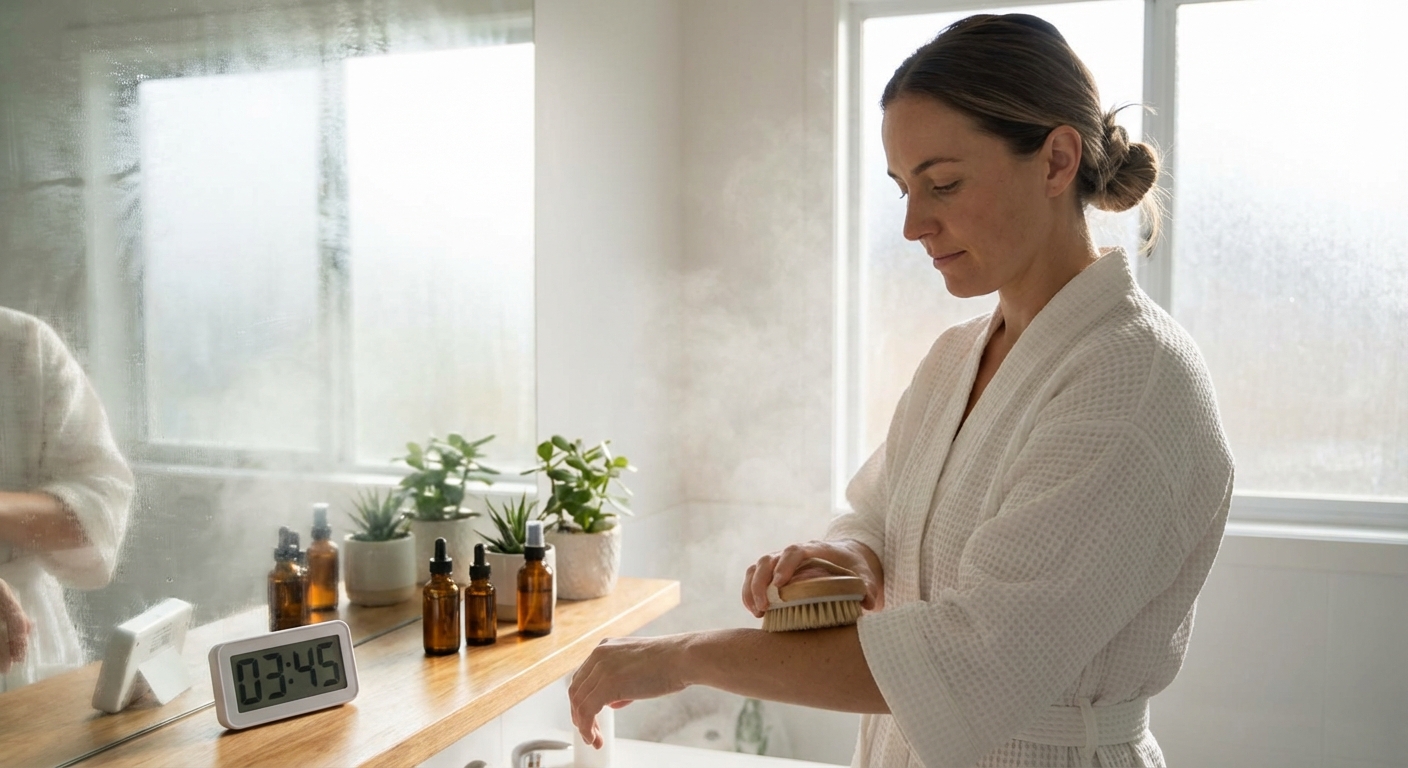
Guide to Overnight Routines That Reduce Facial Wrinkles
I slept face‑down in a paper bag for 10 years?* That’s when I got serious about my overnight routine—and the changes surprised me.
I’m not talking about “wake up like a 19-year-old again” magic. I’m talking about visible, measurable improvements in how smooth, hydrated, and rested your skin looks over weeks and months.
Below is the routine I’ve refined after a lot of trial, error, and late-night Googling of clinical studies while wearing a very unglamorous headband.
Step 1: Set Up Your Skin for the Night (Cleansing That Actually Matters)
I used to do a lazy makeup wipe and call it a night. When I tested a proper double-cleanse consistently for 30 days, the texture around my eyes and mouth genuinely looked smoother.
What I do now:- Oil-based cleanser (if I wore SPF or makeup)
I massage a balm or oil cleanser into dry skin for about 45–60 seconds. This dissolves sunscreen, foundation, and sebum without scrubbing.
- Gentle water-based cleanser
Then I use a low‑pH, sulfate‑free cleanser. Anything that leaves my face tight or squeaky is a red flag. Over‑cleansing can damage the skin barrier, making wrinkles look worse because dry, irritated skin crinkles more.
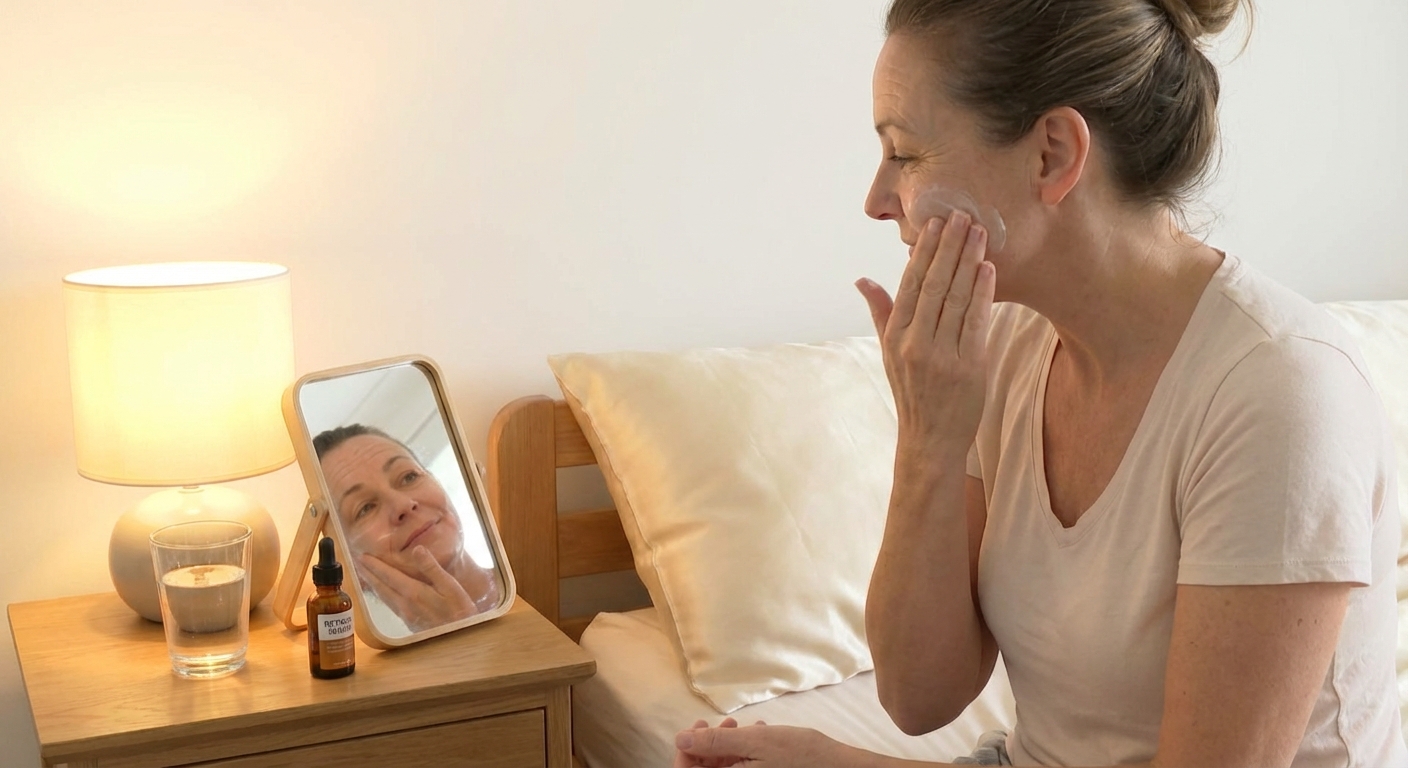
- Clean skin absorbs active ingredients more effectively.
- A calm, intact moisture barrier holds water better, which literally “plumps” fine lines.
- A 2018 review in Dermatology and Therapy found that barrier‑supportive routines improve skin elasticity and roughness over time.
Step 2: The Two Anti-Aging Ingredients I Won’t Sleep Without
When I got serious and compared before/after selfies (under the same bathroom light, zero filters), two ingredients made the biggest difference for texture and wrinkles: retinoids and peptides.
Retinoids: The Nighttime MVP
Retinoids (like tretinoin or retinol) are derivatives of vitamin A, and they’re basically the gold standard for wrinkle reduction. Dermatologists have been recommending them for decades because they:
- Increase collagen production
- Speed up cell turnover
- Smooth fine lines and uneven texture
A classic randomized study from 2007 in Archives of Dermatology showed that 0.04% tretinoin improved fine wrinkles and mottled pigmentation within 24 weeks.
How I use it (so my face doesn’t peel off):- I started with retinol 0.25%, twice a week, at night only.
- I applied a thin layer on dry skin, avoiding the corners of my nose, lips, and the creases at the sides of my mouth (those areas get irritated fast).
- Once my skin calmed down after a few weeks, I slowly worked up to every other night.
Now I alternate prescription tretinoin and gentler nights with peptides.
Pros:- Backed by decades of research
- Noticeable improvement in fine lines and overall “glow”
- Can cause irritation, peeling, and redness
- Not ideal during pregnancy (always talk to your doctor)
- Results take weeks to months, not days
Peptides: The Gentle Backup Singer
On nights when my skin feels a bit overworked (usually after tretinoin or winter wind), I switch to peptide serums.
Peptides are short chains of amino acids that can signal skin to produce more collagen or elastin. They’re not as dramatic as retinoids, but they’re kinder.
When I tested a copper peptide serum on my tretinoin “off nights,” I noticed my skin bounced back from dryness faster and looked less crumpled in the morning, especially around my crow’s feet.
Reality check:- Evidence is promising but not as rock‑solid as retinoids.
- Some peptides are better studied than others (like palmitoyl pentapeptide‑4).
Step 3: Hydration Layering – The Overnight Plumping Trick
One of the fastest ways I saw fine lines soften—literally overnight—was by layering hydration instead of slapping on one heavy cream.
Here’s the order that works for me:
- Humectant layer (to pull in water)
I use a serum with hyaluronic acid, glycerin, or panthenol on slightly damp skin. When I tried this on bone-dry skin, it didn’t work nearly as well.
- Barrier-supporting moisturizer (to lock it in)
I look for ceramides, cholesterol, and fatty acids. These mimic the lipids in our skin barrier.
- Optional occlusive (for desert-dry skin)
In the winter, I add a thin layer of petrolatum (yes, plain Vaseline) on the driest areas—never my whole face. When I tested full-face slugging, I woke up dewy but also with a couple of clogged pores on my nose. Lesson learned.
Why this helps wrinkles:- Dehydrated skin exaggerates every fine line. Think of a dried apple slice vs a fresh one.
- A 2012 NIH-backed paper showed that optimized moisturization can visibly reduce the appearance of fine lines by improving skin elasticity.
Step 4: Your Pillow Might Be Aging You (I Didn’t Believe It Either)
I used to fall asleep face‑planted into a cotton pillowcase like I was trying to merge with it. The right side of my face always had deeper lines—especially the nasolabial fold. Coincidence? Probably not.
Sleeping Position
When I consciously trained myself to sleep on my back (took about 3–4 weeks, plus some very unattractive pillow arrangements), I noticed:
- Less puffiness on the side of my face that used to be squished
- Slight softening of those “sleep creases” that used to hang around till noon
There’s research suggesting that compression wrinkles from side-sleeping can contribute to long-term lines, especially on the cheeks and chest.
Pillowcase Material
I switched from basic cotton to a silk pillowcase (a real one, not “satin” polyester). What I personally noticed:
- Less creasing across my cheek in the morning
- Fewer hair tangles (bonus)
Is silk going to erase your wrinkles? No. But it can reduce friction and tugging, which is good, especially if you’re already investing in skincare.
Pros:- Back sleeping is free and genuinely helps
- Silk feels ridiculous in a good way
- Training yourself not to side-sleep is annoying
- Silk pillowcases are pricier and not a miracle product
Step 5: Quiet Nighttime Skin Saboteurs (You Might Be Ignoring These)
Over time, I realized my habits around bedtime mattered almost as much as the products.
Dehydration Before Bed
When I tracked it, the mornings I woke up the most crinkly around my eyes were almost always after evenings with:
- Extra salty food
- Alcohol
- Barely any water
Alcohol, especially, is a skin dehydrator. A 2019 study in Journal of Dermatological Science linked higher alcohol intake with worsened facial redness and vascular changes, and while that’s not the same as wrinkles, the general dehydration and inflammation don’t help.
Now I try to:
- Drink water consistently in the evening (not just chug right before bed)
- Keep alcohol to earlier in the night and follow with water
Blue Light & Late-Night Scrolling
When I sit in bed doom‑scrolling, I sleep worse. No surprise. But poor sleep quality itself is linked to faster skin aging.
A 2013 study sponsored by Estée Lauder (but published in a peer-reviewed journal) found that poor sleepers showed more signs of intrinsic aging: fine lines, uneven pigmentation, and reduced elasticity.
So I started a rule: screen off 30–45 minutes before bed. The nights I actually follow it, I wake up less puffy and more “lifted,” especially around my eyes.
Step 6: The One Morning Habit That Makes All the Night Work Worth It
If I could shout one thing from the skincare rooftops, it’d be this:
> All your overnight wrinkle-reducing effort means nothing if you skip sunscreen.
When I got consistent—really consistent—with broad‑spectrum SPF 30+ every single morning, the progress from my nighttime routine finally stuck.
UV radiation is the biggest driver of premature wrinkles (photoaging). A famous 2013 study in Annals of Internal Medicine showed that daily sunscreen users had 24% less skin aging than people who used it only sometimes.
My rule now: if I’m near a window, I’m wearing sunscreen. I treat it like brushing my teeth—non‑negotiable.
What Actually Changed for Me (And What Didn’t)
After about 12 weeks of being strict with this overnight routine, here’s what I genuinely noticed when comparing photos and just… looking in the mirror:
Visible improvements:- Fine lines on my forehead and around my eyes looked softer
- My skin texture looked smoother and more even
- My “tired” look faded a bit—less dull, more bounce
- Deep folds (like nasolabial lines) didn’t vanish; they just looked slightly less harsh
- Expression lines are still there when I smile or squint—just part of having a face
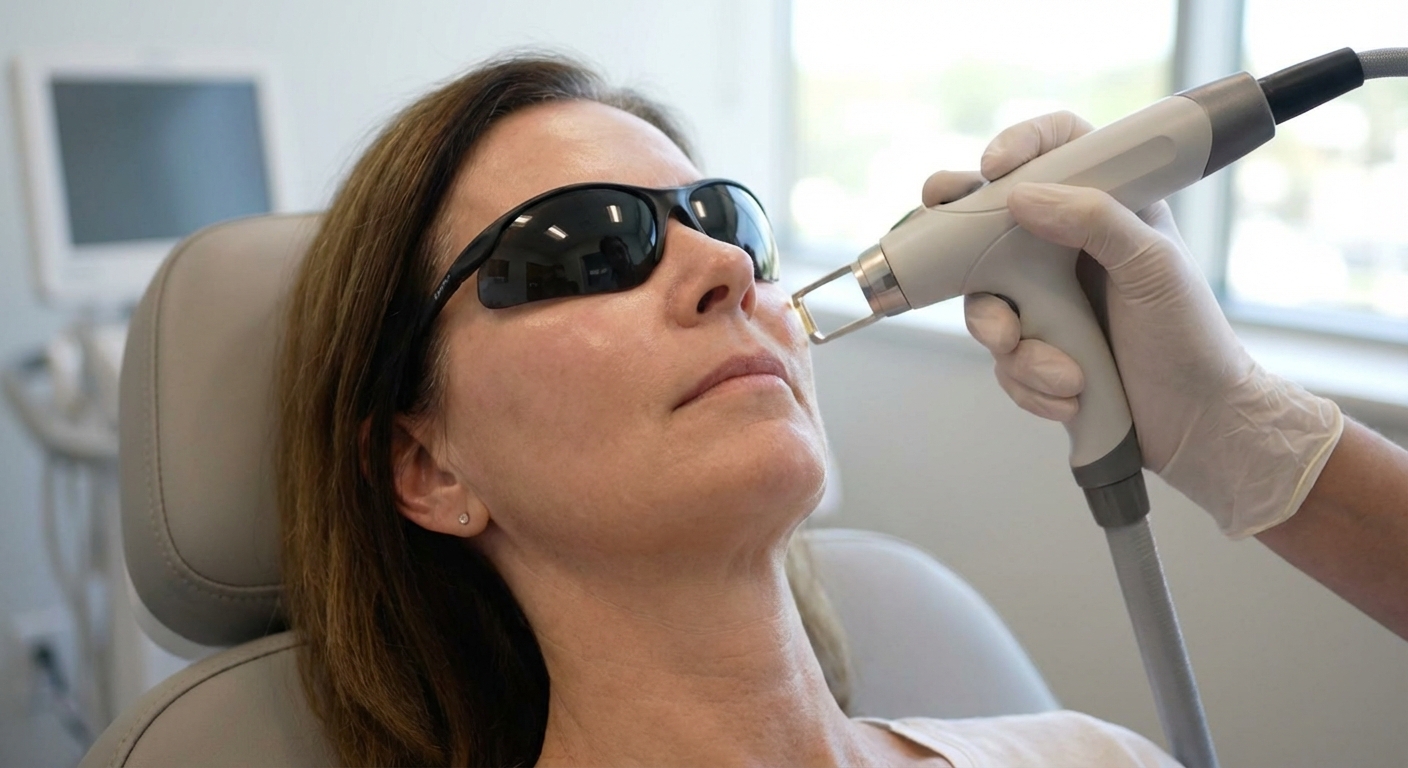
Skincare can optimize what you have, preserve collagen, and smooth the surface—but it can’t rearrange your bone structure or substitute for in-office treatments like lasers, microneedling, or neuromodulators.
And honestly, that’s okay. My goal isn’t to erase every line. It’s to look like a well-rested, well-hydrated version of myself who definitely did not fall asleep face‑down on a rough pillow with mascara on.
How to Start Your Own Overnight Anti-Wrinkle Routine (Without Overdoing It)
If I were starting from scratch again, here’s the simple version I’d follow:
- Gentle cleanse at night (no harsh foaming or scrubs).
- Introduce a retinoid 1–2 nights per week (or start with peptides if you’re very sensitive).
- Layer hydration: humectant serum → barrier-supporting moisturizer.
- Optimize sleep setup: back-sleep if you can; use a low‑friction pillowcase.
- Support from the inside: less late‑night alcohol/salt, steady hydration, better sleep.
- Lock it in with SPF every morning so your hard work doesn’t get fried away.
And go slow. When I rushed retinoids, my face revolted—red, flaky, tight. When I respected my skin’s pace, the progress actually lasted.
If you treat your overnight routine less like a 7-day miracle challenge and more like a long‑term partnership with your skin, the payoff’s real.
Sources
- Daily sunscreen application and facial photoaging: a randomized trial (Annals of Internal Medicine) - Study showing daily SPF reduces signs of skin aging.
- Topical tretinoin therapy for photoaged skin (Archives of Dermatology) - Clinical trial demonstrating wrinkle improvement with tretinoin.
- NIH: Skin barrier and moisturization - Review on barrier repair and its effects on texture and fine lines.
- CDC: Alcohol and your health - Overview of alcohol’s systemic effects, including dehydration.
- Harvard Health: The truth about skin care - Evidence-based guidance on effective ingredients and routines.