Guide to Sephora Exclusive and Limited Product Lines
e in the right place.
I’ve been testing Sephora exclusives and limited editions for years—on my face, my wallet, and occasionally my sanity. I’ve waited in 6 a.m. virtual queues, I’ve watched a limited palette sell out in under 10 minutes, and I’ve also seen plenty of “hype” products gather dust in my drawer.
This is the guide I wish I had when I started chasing those black-and-white striped unicorns.
What “Sephora Exclusive” and “Limited” Actually Mean
When I first got into beauty, I thought exclusive and limited were just marketing fluff. They’re not—for better and worse.
Sephora Exclusive
A Sephora exclusive product is sold only at Sephora (and often the brand’s own site). You won’t usually find it at Ulta, department stores, or other retailers.
Examples I’ve personally tried:
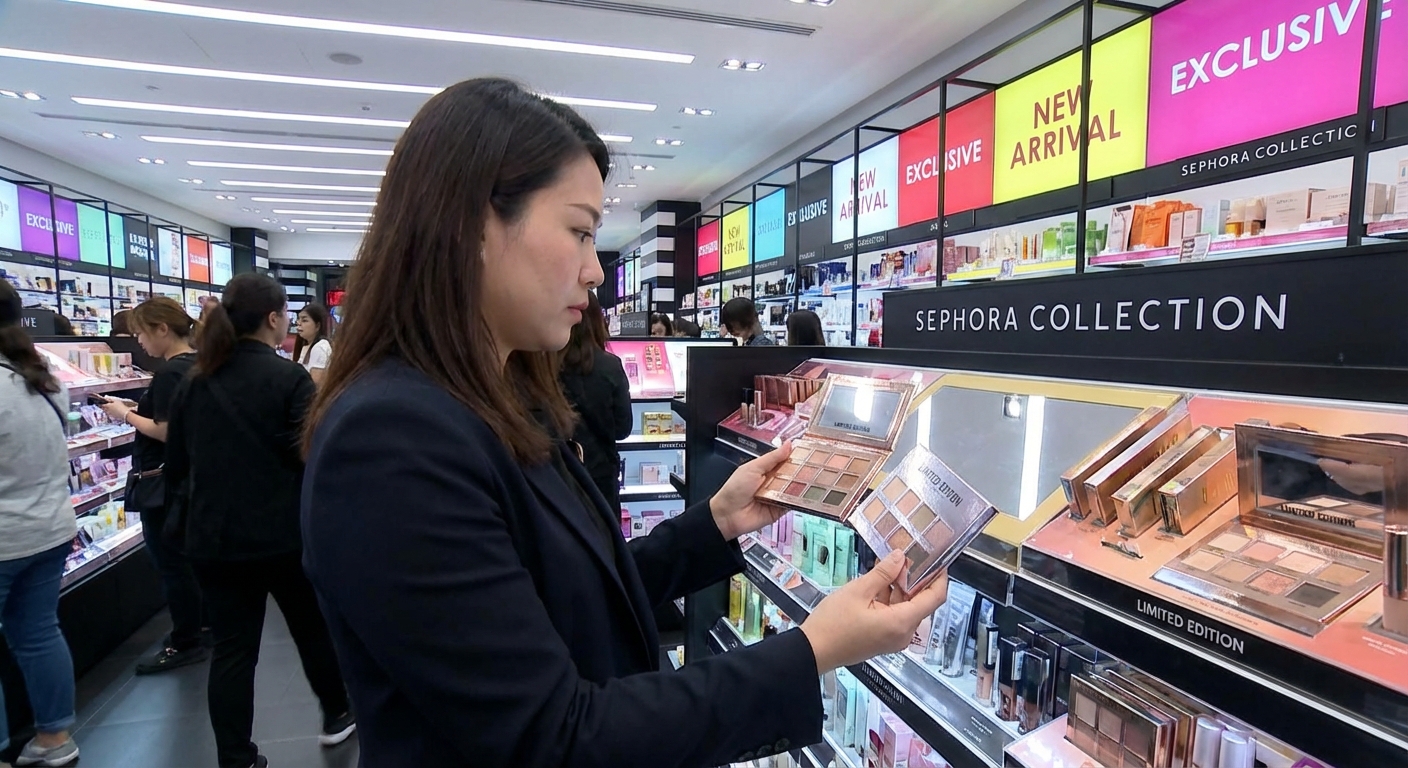
- Fenty Beauty minis and certain shades that launch at Sephora first
- Sephora Favorites kits, which are curated in-house
- Some Tatcha value sets that are Sephora-only combinations
In my experience, exclusivity often means:
- More experimental shades or textures
- Special bundles and value sets
- Early access to new formulas before they roll out more widely (if they ever do)
Limited Edition
Limited edition means the product is produced in restricted quantities or for a set time frame.Think:
- Holiday eyeshadow palettes
- Seasonal highlighter or blush shades
- Collabs (celebrities, influencers, IP like movies/shows)
When I tested a limited-edition NARS holiday cheek palette a few years back, it never came back again—no matter how many Reddit threads begged for a re-release. If you miss it, it’s usually gone.
Sephora often stacks these labels: Sephora-exclusive, limited-edition collabs are the ones that vanish in a blink.
Why Brands Go Exclusive with Sephora (and What That Means for You)
I asked a beauty marketing contact last year why brands lock in with Sephora. Her answer was blunt: Sephora is a power platform.
From a consumer side, here’s what I’ve noticed:
- Curation & trust – Sephora doesn’t take every brand. Their merchandising team vets ingredients, positioning, and performance. It’s not perfect, but it’s a filter.
- Data & feedback – Brands get rapid feedback from Sephora reviews and returns. I’ve seen formulas quietly reformulated within a year, especially in base products.
- Promo ecosystem – Points, samples, Sephora Favorites, seasonal sales—all of that usually centers around exclusives.
Downside? When something is exclusive:
- Sales can be less frequent than at multi-retailer brands.
- If you live somewhere without Sephora shipping or brick-and-mortar, tracking down products is annoying at best.
The Main Types of Sephora Exclusive & Limited Lines
1. Sephora Favorites & Curated Kits
I live for Sephora Favorites. These are curated sets of minis (and sometimes full sizes) across brands.
Why I keep buying them:
- They’re hands-down the best way I’ve found to test expensive skincare without committing. I discovered Youth To The People’s Superberry Dream Mask in one of these kits.
- The value is often ridiculous. I’ve had kits where the full-size product inside cost more than the entire box.
What to watch for:
- Not every item is a hit. Some sets include one or two duds that feel like filler.
- Fragrance-heavy skincare can be irritating if you have sensitive skin—always patch test.
2. Brand–Sephora Exclusive Collabs
These are the drops that blow up on TikTok and vanish the same day.
I remember testing a Huda Beauty x Sephora exclusive lip set that only existed for one holiday season. The shades were incredible, but the formula was a bit drying. Online, it looked universally adored—but the reviews section told a more mixed story, especially for dry-lip folks like me.
Things I look at before jumping:
- Shade range inclusivity – Are deeper and very fair tones actually covered?
- Formula history – Is this a slight twist on a beloved formula or a completely untested one?
3. Limited-Edition Palettes & Holiday Collections
My weak spot. I’ve learned some expensive lessons here.
Patterns I’ve seen over the years:
- Holiday palettes sometimes have different formulas than the brand’s permanent line. I once compared a Too Faced holiday palette to their permanent Chocolate Bar palette and the holiday one was noticeably drier and less pigmented.
- Packaging is often stunning. I’ve 100% bought a palette “for the packaging” and then regretted it when I realized it didn’t blend well.
How I test now:
- I swatch both the permanent and limited palettes in-store on the same arm and compare payoff and blendability.
- I wait 2–3 days for early reviews and YouTube swatch videos, unless I’m okay risking a miss.
4. Sephora-Only Shades & Value Sets
Some brands make Sephora-exclusive shades or value bundles. I’ve seen this a lot with lip products, blushes, and skincare duos.
In my experience:
- Skincare duos (like serum + moisturizer) can be genuinely great value, especially from brands like Drunk Elephant, Tatcha, and Sunday Riley.
- Shade exclusives are hit-or-miss. I’ve loved Sephora-only nudes from Rare Beauty, but I’ve also seen brands release experimental, less wearable colors as “exclusives.”
How I Decide If a Sephora Exclusive or Limited Product Is Worth It
Over time I’ve built a filter system, because my early “BUY EVERYTHING” era was chaos.
1. Ingredient & Claims Check
For skincare, I’ll cross-check:
- The INCI list (ingredient list) on Sephora with
- Independent sources like the National Center for Biotechnology Information (NCBI) and brand clinicals
For example, when I tested a niacinamide serum from a Sephora-exclusive K-beauty line, I checked that it had:
- 4–10% niacinamide (backed by evidence to improve hyperpigmentation and barrier function)
- Minimal fragrance and essential oils, since my skin’s reactive
If a product claims “clinically proven,” I scroll straight to the brand’s clinical section on their site—looking for sample size, study length, and whether it was brand-funded (most are).
2. Hype vs. Daily-Use Reality
I ask myself:
- “Will I actually use this 3–4 times a week?”
- “Do I already have something 80% similar?”
When Fenty dropped a Sephora-exclusive highlighter shade, I was obsessed. But when I swatched it, it looked identical to something I owned from Becca (RIP) except more glittery. Gorgeous? Yes. Necessary? Not for me.
3. Formula Consistency & Brand Track Record
Brands that rarely miss, in my experience with exclusives:
- Fenty Beauty – especially base products and bronzers
- Rare Beauty – complexion and blush; the Sephora-only sets are usually the same high-quality formula
- Laneige – lip sleeping masks and hydrating skincare
Brands I approach more cautiously for limited/holiday releases:
- Any brand with a known history of inconsistent holiday formulas versus their core line
I’ll usually test:
- Blending (do shadows skip or go patchy?)
- Longevity (does it melt off after 4 hours?)
- Oxidation on foundation or lip products
Pros and Cons of Chasing Sephora-Exclusive & Limited Lines
The Upside
From my own routines and way too many receipts:
- Access to innovation first – New textures and shade stories often hit Sephora exclusives before they trickle elsewhere.
- Better value via sets – I’ve saved a lot by buying Sephora-exclusive kits instead of full sizes.
- Fun factor – There’s real joy in testing something special or beautifully packaged, especially if beauty is your creative outlet.
The Downside
I’ve learned these the hard way:
- FOMO-driven buys – Limited releases can short-circuit your decision-making. I once bought a $70 palette, used it twice, then reached for my $18 everyday one forever after.
- Resale temptation – The aftermarket (resellers, auction sites) can get wild. I’ve seen limited Sephora-exclusives go for more than double retail. My rule: if I missed it at launch, I let it go.
- Not always the best formula – Limited packaging doesn’t guarantee limited-level quality.
How to Shop Sephora Exclusives Without Wrecking Your Budget
Here’s the system that keeps me from panic-purchasing every new drop.
- Create a “gaps list” on your phone: what you actually need (a cool-tone bronzer, a gentle retinol, a fragrance-free moisturizer). I only consider exclusives that fill a gap.
- Use samples and minis first. Sephora’s sample policy and value sets are your friend. I discovered my current holy-grail vitamin C serum through a Sephora-exclusive mini set.
- Time big buys around sales. Sephora’s major sales (Spring Savings, Holiday Savings) usually hit twice a year. I’ve scored big-ticket exclusives at 15–20% off just by waiting a few weeks.
- Check reviews by skin type or tone. I always filter by “similar skin type” and “similar skin tone.” A foundation that’s perfect on normal skin might cling to every dry patch on mine.
- Have a 24-hour rule for expensive limited items. If it sells out in that window, I take it as a sign it wasn’t meant for me.
When I Think Sephora Exclusives Are Actually Worth It
Based on years of trial, error, and a lot of empties, here’s where exclusive and limited lines tend to shine:
- Skincare discovery sets from reputable brands (with clear ingredient lists and at least some clinical backing)
- Mini sets of high-end products (fragrance, luxury skincare, or prestige makeup you’ll realistically use sparingly)
- Unique shades or textures that don’t already exist in your collection (duochrome toppers, truly inclusive contour shades)
- Core formulas in special packaging, if you were planning to buy the formula anyway and the price difference is minimal
Where I’m more cautious:
- Giant holiday palettes with tons of repeats and inconsistent shadow quality
- First-time formulas launching only as limited editions, especially base makeup
- Trend-driven color stories I’ll realistically only wear for Instagram photos and never real life
If you treat Sephora exclusives like a buffet instead of a mission, you’ll probably overspend. But if you use them as a curated add-on to a solid routine, they can genuinely upgrade your collection.
And if you’ve ever felt silly for being emotionally attached to a limited-edition blush—same. You’re absolutely not alone in that.
Sources
- Sephora – Sephora Favorites Collection - Official page for Sephora’s curated exclusive sets
- Fenty Beauty by Rihanna – Official Site - Brand information, product details, and shade range philosophy
- National Center for Biotechnology Information (NCBI) - Review article on the use of niacinamide in dermatology
- Harvard T.H. Chan School of Public Health – Skin Health Resources - Evidence-based guidance on skin and ingredients
- Forbes – How Sephora Became A Beauty Retail Powerhouse - Background on Sephora’s influence and retail strategy