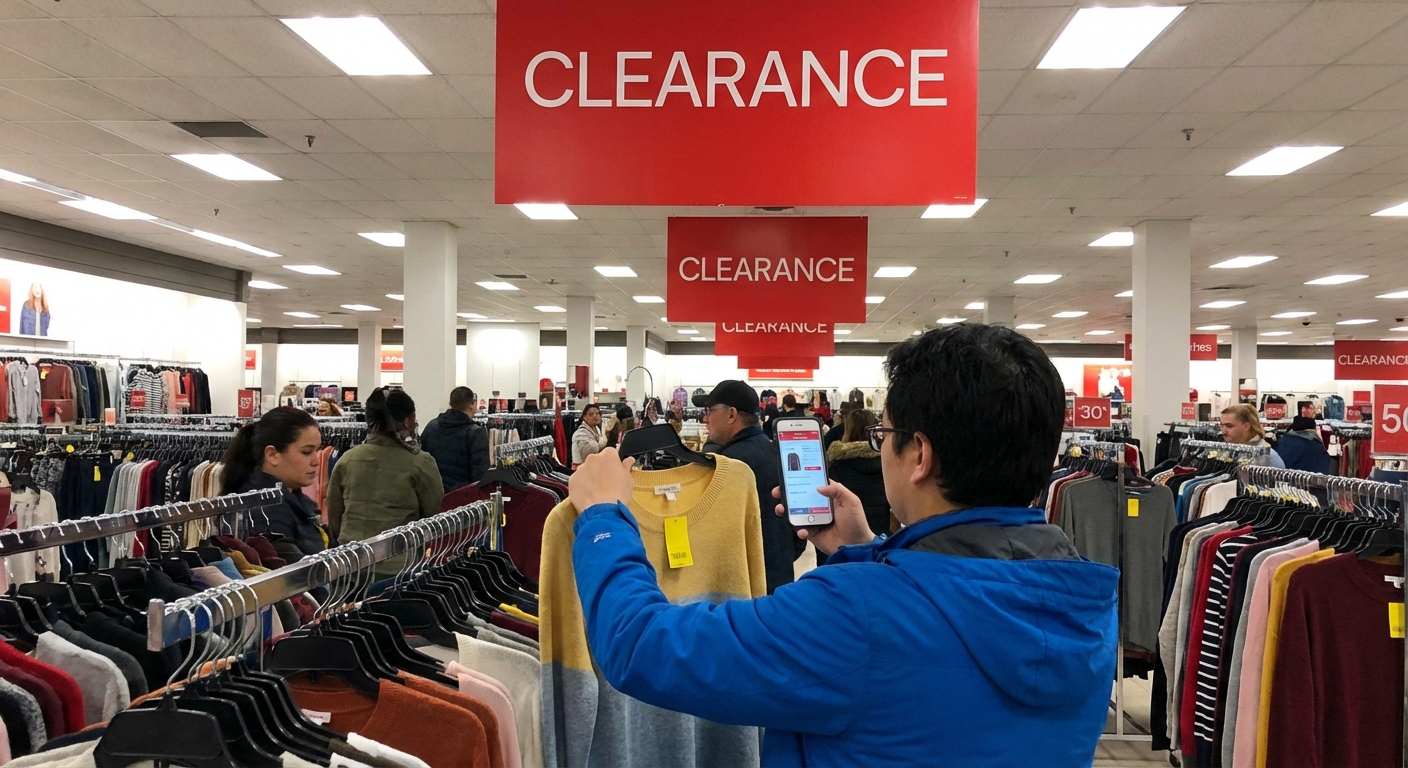
Guide to Shopping Menards Clearance Sections
bout it, I walked out with a $149 faucet for $36, a pack of LED bulbs for under $3, and a dented-but-perfectly-fine metal shelving unit for less than the cost of lunch.
That was the day I realized: Menards clearance is basically a treasure hunt with a rebate system.
In this guide, I’ll walk you through exactly how I shop Menards clearance, what the weird tags actually mean, and some pitfalls I’ve learned to avoid the hard way.
Understanding How Menards Clearance Actually Works
When I started paying attention, I noticed Menards doesn’t treat clearance like a single rack in the back. It’s more like a layered system:
- End-cap clearance: Those shelves at the ends of aisles with yellow or orange tags.
- Dedicated clearance aisles or corners: Usually near the back or side of the store, sometimes by the lumberyard entrance or near receiving.
- Department-specific clearance: Individual departments (lighting, plumbing, tools) often hide clearance on lower or top shelves.
- Online clearance: Menards.com has a clearance and “Ray’s List” (scratch-and-dent and display items) that’s separate from in-store markdowns.
When I tested shopping in-store vs online over a few weekends, I noticed:
- In-store clearance is best for physically bulky and heavily discounted items (cabinets, vanities, doors, damaged boxes).
- Online clearance shines for things like lighting, fans, faucets, and seasonal décor, especially when you stack sales with rebates.
Menards is also known for its 11% Rebate Sale, and here’s the twist: clearance items sometimes still qualify, depending on the promotion barcode. When that happens, the savings get a little ridiculous.

How to Read Menards Clearance Tags Like a Pro
I used to glance at tags and just look at the big red price. That’s rookie behavior. Menards tags tell a story if you slow down for 10 seconds.
Here’s what I pay attention to:
- Color: Yellow or orange tags usually indicate markdowns, while white tags are standard pricing.
- Original vs current price: Most clearance tags show the original price and the markdown so you can decide if it’s actually a deal.
- Item description & SKU: I snap a pic of the tag and use the SKU in the Menards app or website later to compare prices at nearby stores.
- Date of markdown: Some stores print the markdown date. In my experience, if the tag’s more than 30–45 days old, there’s a good chance the store manager may be open to negotiating on bulky items.
I’ve literally asked a department manager, “This vanity’s been here for a while and it’s missing the hardware—could you do any better on the price?” and gotten another 10–15% shaved off.
Is that guaranteed? No. But I’ve had it work about 3 out of 10 times, especially on:
- Floor-model vanities
- Pre-hung doors
- Cabinets
- Large tool chests
Best Times to Hit Menards Clearance
In my experience, timing is half the game.
Seasonal changeovers
The best scores I’ve had were around:
- Late January–February: Holiday blowouts, space heaters, winter gear
- Late August–September: Patio furniture, grills, fans, gardening
- Post-holiday (early January): Christmas décor at 75–90% off
Menards, like most retailers, follows a seasonal merchandising cycle. According to the National Retail Federation, U.S. retailers routinely reset seasonal floor sets several times per year to make room for new inventory, which is when markdowns accelerate.[^nrf]
When I tested going during these “reset” windows, the clearance sections were fuller, and discounts were deeper—especially on bulky seasonal inventory they clearly just wanted gone.
Weekdays vs weekends
When I’ve gone on Saturday afternoons, the clearance shelves looked like a tornado went through. On Monday or Tuesday nights, it’s quieter, and I’ve watched employees actively restocking clearance sections after weekend returns.
If you can swing it, weekday evenings are golden.
Hidden Clearance Spots Most Shoppers Miss
On one of my more obsessive trips, I literally walked every aisle just looking for yellow and orange tags. Here’s where I consistently find hidden deals:
1. Top shelves and bottom shelves
In lighting, tools, and storage, I find a lot of:
- Open-box light fixtures
- Returned organizers
- Closet systems that are missing one minor piece
They’re usually pushed to the top rack or shoved on the very bottom where nobody wants to bend down.
2. Near returns and customer service
One time, by pure accident, I spotted a stack of “As-Is” boxes near the return desk—flooring, mismatched tiles, and a damaged vanity top.
These one-off, “take it or leave it” items often have hand-written markdowns. I’ve asked “Is that the best you can do?” and watched them grab a marker and drop it another 10 bucks.
3. Lumberyard and building materials
If you’re doing any kind of DIY or renovation, don’t skip this.
I’ve scored:
- Slightly warped but usable boards for garage shelving
- Discounted doors with minor scratches (that I painted anyway)
- Broken bundles of shingles where I just needed a few
Menards often labels these as “Cull” or “Damaged” materials. For utility projects, this is where the real savings sit.
The Menards Rebate Game (and How It Stacks with Clearance)
You can’t talk about Menards without talking about rebates. Their infamous 11% rebate is basically store credit in postcard form.
Here’s what I’ve learned after mailing in way too many little forms:
- Rebates are mail-in, not instant. You send in the receipt and rebate form; several weeks later, you get a merchandise credit check.
- The 11% promotion typically applies to most in-stock items, but not every clearance item qualifies. You have to check the receipt for the rebate barcodes.
- I’ve occasionally gotten clearance + 11% rebate on:
- Lighting
- Tools
- Storage
When I tracked one project—a small bathroom refresh—I spent about $260 out of pocket on multiple clearance items and got around $28 back in rebate credit, which I used later on paint and caulk.
So yes, it does add up, but you need to be patient and organized. If you hate mail-in anything, this might not be your jam.
For a wider view on rebates and deferred discounts, the FTC has flagged how rebate programs can influence consumer behavior and price perception, especially when the rebate redemption process is more complex than it looks on the shelf.[^ftc]
What I Actually Buy (and Avoid) on Menards Clearance
After a few years of experimenting, here’s what’s been worth it for me.
Great clearance buys
1. Lighting and fixturesI’ve replaced builder-grade lights with clearance pendants and flush-mounts for under $25 each. As long as:
- The mounting hardware is included (or easily replaceable)
- The finish isn’t scratched in a super-visible spot
Wire shelves, plastic bins, garage racks. Minor box damage usually doesn’t matter.
3. Landscaping and outdoorPavers, edging, decorative stone, hose reels—especially off-season. A chipped paver isn’t a big deal in a mixed pattern patio.
4. Paint and stain mistintsI’ve paid $5–$10 for gallons of high-quality paint just because it’s the “wrong” color for someone else. You do need to be flexible on color schemes, though.
Things I’m more cautious about
1. Power toolsWhen I tested a few clearance power tools, here’s what I checked in-store:
- Plug-in tools: test in an outlet if the store allows it
- Battery tools: confirm batteries and chargers are included
I’ve had one bad experience with a clearance drill whose chuck was slightly misaligned. The return process worked, but it was annoying.
2. Plumbing parts and faucetsMissing installation hardware, scratched finishes, or returns due to leaks aren’t always obvious. I only buy brand-name clearance faucets and check the manufacturer’s warranty on their site.
According to Consumer Reports and other product reliability studies, faucet longevity and performance vary a lot by brand and material, so a deep discount doesn’t always equal long-term value.[^cr]
3. FlooringIf you need a big continuous area, buying clearance flooring can be risky because you might not find enough matching boxes later. I only use clearance flooring for small rooms, closets, or accent areas.
Practical Tips Before You Throw Clearance in the Cart
From my trial-and-error (and a few “why did I buy this?” moments), here’s what I do now:
- Inspect every box. Open it (politely) and check for missing pieces, damage, or signs that it was an ugly return.
- Check online while you’re standing there. I pull up the regular item page on Menards.com to see the original price and reviews.
- Think about return risk. Menards’ return policy generally applies, but some clearance and “as-is” items may be final sale at certain stores. I always ask if I’m unsure.
- Measure twice, then again. Especially for big stuff—doors, vanities, cabinets. I’ve mis-measured before, and while I could return the item, it chewed up time and gas.
- Know when to walk away. A 70% discount on something you’re not sure you’ll use is still wasted money.
The Real Pros and Cons of Menards Clearance
In my experience, Menards clearance isn’t magic—it’s just very favorable math when you know how to play it.
What I love:- Deep discounts on big-ticket home items
- Seasonal deals you can’t touch at full price
- Occasional stacking with 11% rebates
- Great for DIYers, landlords, and flippers willing to fix minor flaws
- Hit-or-miss inventory between stores
- Mail-in rebates (and the wait)
- Some clearance is just junk or heavily picked over
- Potential hassle with returns on “as-is” items
If you treat Menards clearance like a strategic hunt instead of a random walk-through, you can genuinely cut renovation or project costs by 20–40% on a good day. I’ve done it on multiple projects—from a laundry room redo to a backyard makeover—and the savings weren’t theoretical; they showed up in my actual budget.
Just don’t forget to keep a tape measure in your car, snap photos of tags, and ask the slightly awkward question: “Any chance you can do better on this?” You’ll be surprised how often the answer isn’t no.
Sources
- National Retail Federation – Seasonal Merchandise and Retail Trends - Background on how retailers manage seasonal inventory and markdowns
- Federal Trade Commission – Consumer Advice on Rebates - How rebate programs work and what to watch for
- Menards Official Website - Current promotions, rebates, and store policies
- Consumer Reports – Faucets Buying Guide - Expert insight on faucet quality and reliability
- U.S. Bureau of Labor Statistics – Consumer Spending on Home Goods - Data on household spending patterns for home improvement
[^nrf]: National Retail Federation, Retail Library, accessed 2024.
[^ftc]: Federal Trade Commission, "Rebates" consumer advice, updated 2023.
[^cr]: Consumer Reports, Faucets Buying Guide, accessed 2024.