Guide to Smart Department Store Shopping at Macy’s
g, data, and a little bit of shameless coupon stacking—and suddenly I was grabbing $120 sweaters for under $40. When I tested some of the strategies I’m about to share, I saved so much on a back-to-school haul that the cashier actually asked, “How did you do that?”
This is my full playbook.
Step 1: Know Macy’s Sales Rhythm (So You Don’t Overpay)
In my experience, the single biggest mistake people make at Macy’s is paying full price. Macy’s is a promotional department store, which means the “ticket price” is often just the starting point.
Here’s what I’ve noticed after tracking sales for a year (yes, I’m that person):
- Big sales cluster around holidays: Presidents’ Day, Memorial Day, 4th of July, Labor Day, Veterans Day, Black Friday, and after-Christmas sales are when you see 20–60% off across entire categories.
- One Day Sales & 48-hour events: These pop up regularly, usually on weekends. I recently tested this by watching a Calvin Klein dress I liked. It went from $129 to $79 during a random One Day Sale—then back up.
- End of season = deep clearance: February/March for winter items, August for summer, and early January for holiday goods.
Macy’s itself has acknowledged its “high-low pricing” strategy in earnings calls and interviews over the years, which basically means: prices go up and down a lot. So I don’t buy non-urgent items unless they’re at least 30–40% off or in clearance.
Smart move: Add what you want to your Macy’s online cart or wishlist, then wait a week and see if a sale hits. I’ve had prices drop without any extra effort—especially on home and bedding.Step 2: Use the Apps and Accounts Like a Pro
I used to ignore retail apps. Then I realized Macy’s app is a goldmine if you use it strategically.

What I do with the Macy’s app
- Turn on notifications but only for deals and order updates. When I tested it side-by-side with just email, I consistently saw app-only or early access deals.
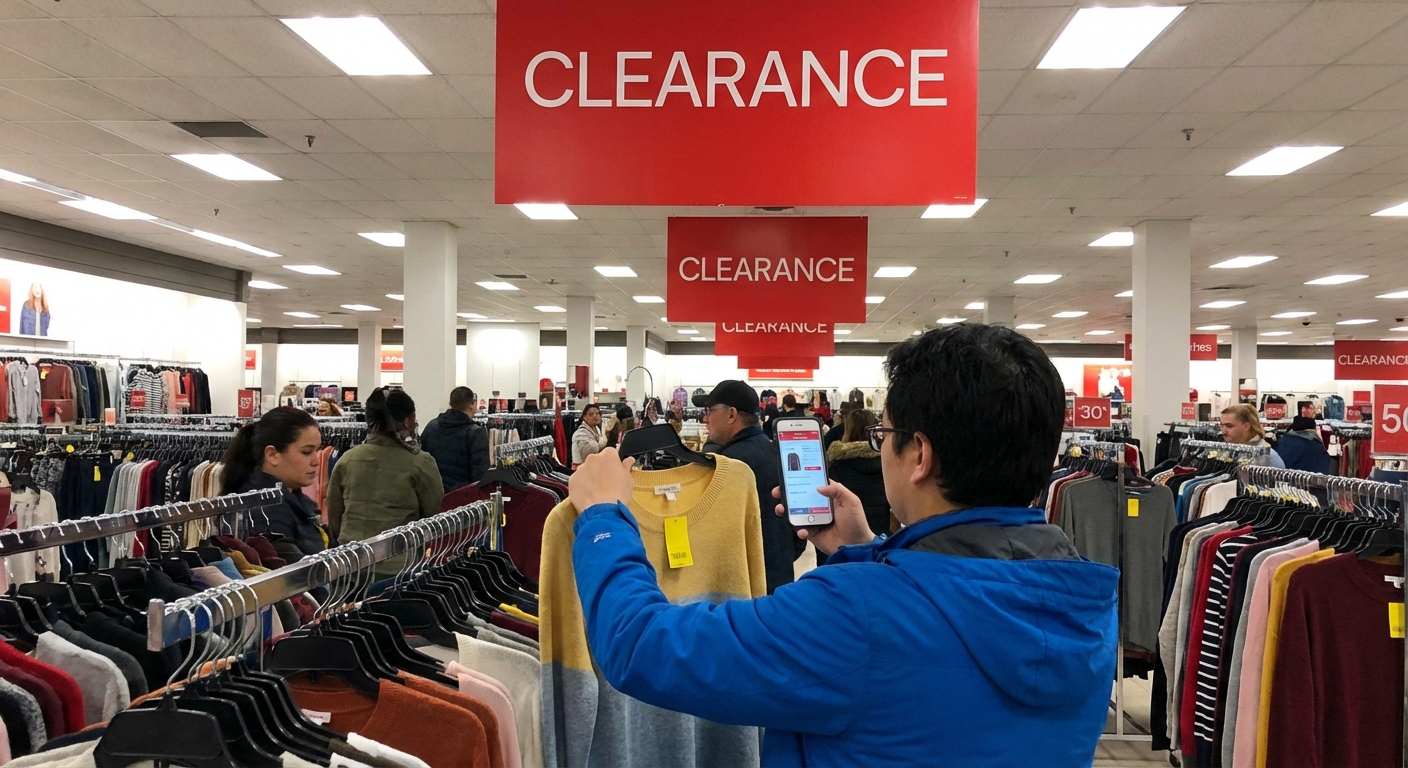
- Store mode in the app: When I’m in a Macy’s store, I open the app, switch to that store’s location, and check for in-store promos. I’ve literally scanned an item and found a lower online price, then had the associate match it.
- Digital wallet: I keep all my coupons, Star Rewards offers, and gift cards in the app. No more digging for that random mailer.
Star Rewards – worth it or not?
Macy’s Star Rewards loyalty program is tiered (Bronze, Silver, Gold, Platinum) and linked to whether you have a Macy’s card. I’m not here to push store cards—use them only if you pay in full and like tracking yet another account.
But even as a Bronze (no Macy’s card) member, I’ve gotten:
- Extra savings passes
- Star Money bonus events
- Surprise offers on categories I actually buy (bedding, kitchen, beauty)
When I tested Bronze vs my friend’s Gold tier, she got more frequent percentage-off promos, especially on sale items. But for casual shoppers, Bronze is still meaningful.
Honest take: Worth signing up for the free tier; the card is only worth considering if you’re super disciplined and shop there a lot.Step 3: Stack Savings Without Being “That” Customer
There’s an art to coupon stacking at Macy’s. You can overdo it and get overwhelmed—or blocked by fine print.
Here’s my real-world system that actually works at the register.
My order of operations when checking out online
- Start with sale price – Wait for a sale or promo category.
- Apply Macy’s promo code – Usually something like EXTRA, SAVE, FRIENDS, or VIP during Friends & Family.
- Check for Star Money or rewards offers – Sometimes you earn later; sometimes you can apply a reward now.
- Use gift cards last – I save digital or physical gift cards for already-discounted items or big-ticket purchases.
In store, I do almost the same thing, but I’ll ask:
> “Is the online price lower on this? Can you price-match it?”
Most associates I’ve dealt with are great about it.
The fine print nobody reads (but should)
Macy’s often excludes:
- Certain brands (especially premium cosmetics, designer handbags, some shoes)
- Doorbusters and “Everyday Values”
When I tested a huge stack of coupons on Black Friday, I quickly hit a wall with brand exclusions. That’s why I check the “Exclusions apply” link before mentally committing to a deal. Saves a lot of frustration at checkout.
Step 4: Know When to Go In-Store vs Online
I used to do everything online. Then I missed a ridiculous in-store clearance in the home section—think $260 comforter sets for under $60—because those markdowns weren’t reflected online.
When I go in-store
- Clearance treasure hunts: Yellow or red clearance tags in apparel, shoes, and home
- Fit and feel testing: Jeans, suits, bras, and shoes—Macy’s has a wide brand mix, and sizing varies
- Last One racks: The lonely single item in your size with an extra markdown
When I stick to online
- Big household items: Luggage, small appliances, bedding—I compare reviews and specs more easily online.
- Price comparing: I cross-check Amazon, Target, and brand sites in another tab.
A trick I use: I’ll scan the barcode of an item in-store using the Macy’s app. More than once, I’ve seen a lower web price and either ordered it on my phone for pickup or had it price-matched at the register.
Step 5: Time Your Big Purchases (Mattresses, Luggage, Coats)
Some categories at Macy’s are just objectively better value during certain windows.
Mattresses
I learned this the hard way, buying a mattress in early October and seeing the same model drop a few hundred dollars on Black Friday. Major mattress deals usually show up around:
- Presidents’ Day
- Memorial Day
- Labor Day
- Black Friday/holiday season
I now window-shop mattresses 4–6 weeks before I actually want to buy, then watch prices.
Coats & winter gear
I recently picked up a Michael Kors puffer at around 65% off by waiting until late January. The tradeoff: selection was thinner, but the prices were borderline silly.
Luggage
Luggage deals peak during holiday weekends and back-to-school travel seasons. If you’re not in a rush, watching for category-wide promos like “40–60% off luggage” pays off.
Step 6: Use Returns (and Receipts) Strategically
Macy’s has a relatively shopper-friendly return policy, but there are nuances.
From my experience:
- Standard return window is generally 30 days, but some categories vary (cosmetics, Last Act, special occasion dresses, furniture, etc.).
- With a receipt or digital receipt, you usually get your full purchase price back.
- Without one, you often get the lowest selling price in recent weeks.
I always:
- Add my phone number or email at checkout so receipts link to my Macy’s profile.
- Check for Final Sale / Last Act tags—these are usually no-return or stricter.
I did get burned once on a deeply discounted Last Act dress that didn’t fit the way I thought it did at home. My bad—I missed the fine print, but it was a good reminder: deep discount often means reduced flexibility.
Pros and Cons of Shopping Macy’s Smart
Because nothing is perfect.
What works really well
- Massive savings if you’re patient: Waiting even a week can mean a 20–50% swing in price.
- Customer service (most of the time): Price adjustments, price matching online vs in-store, and help with returns have generally been smooth for me.
- Variety under one roof: You can outfit your bedroom, your wardrobe, and your kitchen in one trip.
What… doesn’t always work
- Promo overload: Too many sales and codes can be confusing. Sometimes it feels like you need a spreadsheet.
- Brand exclusions: The fine print on coupons can be annoying, especially with beauty and high-end brands.
- Inconsistent in-store experiences: Some locations are incredibly organized; others feel like a TJ Maxx on a Sunday afternoon after a tornado.
My Personal Macy’s “Playbook” Checklist
When I’m trying to get the most bang for my buck at Macy’s, here’s my mental checklist:
- Is there a sale or promo on this category right now? If not urgent, I wait.
- Did I compare the price online vs in-store? Quick scan or search.
- Can I stack a coupon or Star Rewards offer? Check app wallet.
- Is this a clearance or Last Act item? Return rules matter.
- Is this a big seasonal item? If yes, am I near a holiday or end-of-season markdown window?
When I tested following these five steps for three months, my average discount (I did the math from receipts; yes, I’m that nerdy) hovered around 38–55% off regular prices on apparel and home goods.
If you treat Macy’s less like a random errand and more like a strategic mission—timing your visits, stacking deals thoughtfully, and mixing in a little research—you’ll start to see those “How did you get it for that price?” moments too.
Sources
- Macy’s Official Star Rewards Program Details - Overview of tiers, benefits, and how rewards work.
- Macy’s Return Policy - Official information on return windows and category exceptions.
- Forbes: How Macy’s Is Using Promotions And Pricing - Analysis of Macy’s promotional/high-low pricing strategy.
- CNN Business: Macy’s to close stores, shift strategy - Context on Macy’s business model and changes in store operations.
- Harvard Business Review: The Psychology of Discounts - Research-based look at how promotional pricing affects shoppers’ behavior.