Guide to The Body Shop Skincare Value
roper test — spreadsheet, ingredient lists, prices-per-ml, the whole thing — and I had to admit: there’s real value here… but only if you know what you’re looking for.
This is my no-fluff guide to whether The Body Shop skincare is worth it — not just cute on your bathroom shelf.
Why I Started Questioning The Hype
I recently discovered my monthly “little skincare treats” were quietly turning into a second electricity bill. When I added it up, a surprising chunk was from The Body Shop.
When I tested my routine against what I was actually getting — active ingredients, percentages, long-term results — I realized I was paying a lot for texture, scent, and branding… and only sometimes for serious skincare.
So I went back, this time as a skincare nerd instead of an impulse buyer, and looked at The Body Shop’s value from three angles:
- Ingredients vs price
- Results vs marketing promises
- Ethics vs performance
Here’s how it shook out.
Ingredient Value: What Are You Really Paying For?
In my experience, The Body Shop sits in this interesting middle zone between drugstore and premium. You’re not getting hardcore clinical actives like a dermatologist brand, but you’re also not just buying fancy fragrance water.
When I started checking INCI lists (ingredient lists), a few patterns jumped out:
1. Respectable but Gentle Actives
Their formulas tend to be gentle-first. For sensitive or younger skin, that’s actually a huge plus.
- Vitamin C (Glow-Revealing Serum): they use 3-O-Ethyl Ascorbic Acid, a more stable vitamin C derivative. It’s not as punchy as L-ascorbic acid, but it’s less irritating. When I tested this for six weeks, I got a mild brightening and more even tone, but no dramatic spot-fading like I’d get from a higher-percentage pure vitamin C serum.
- Retinol alternatives: the Edelweiss line leans on antioxidants and their so-called "Leontopodic acid" from edelweiss. When I compared it to a standard 0.3% retinol, Edelweiss was way gentler, with more subtle results.
2. Hydrators & Emollients
The real sweet spot for value, in my opinion, is their hydration-focused products.
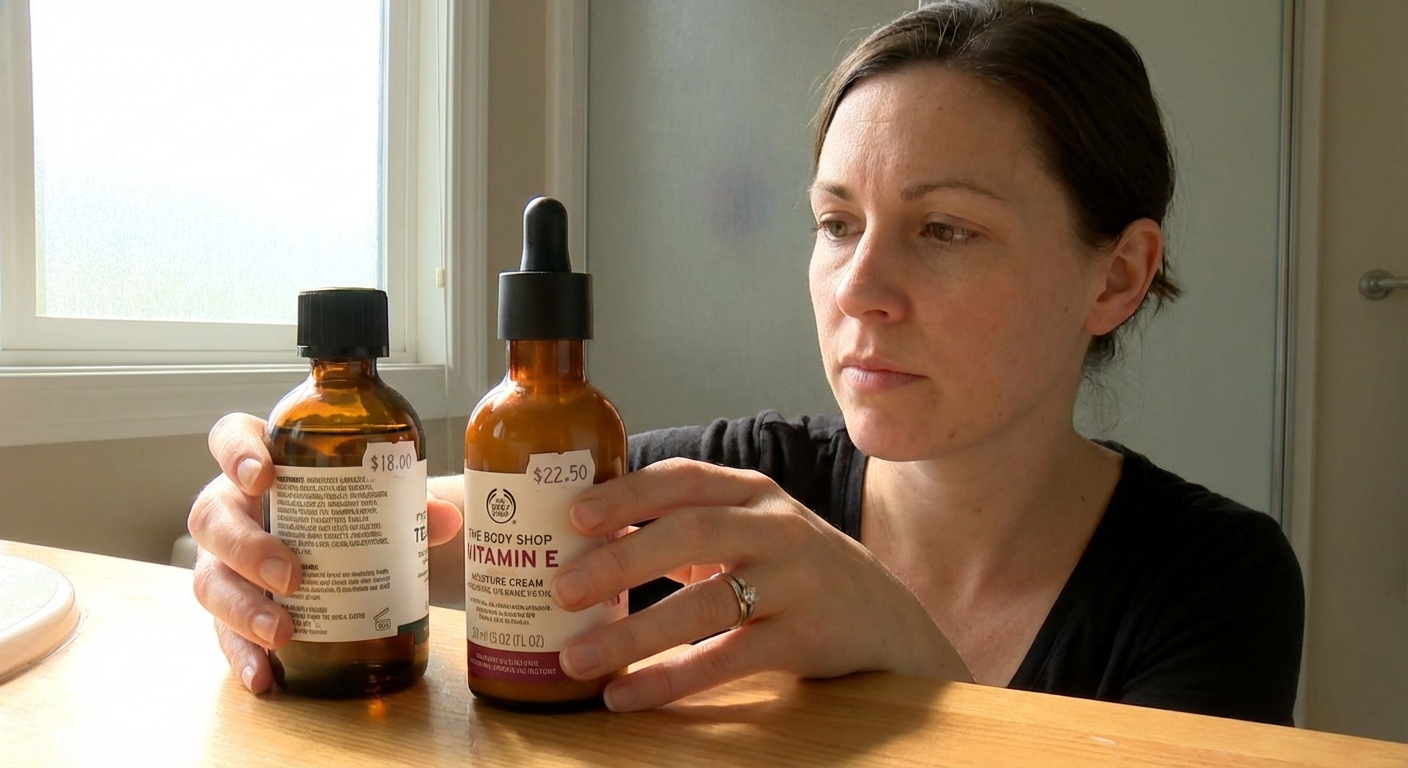
When I tested the Vitamin E Moisture Cream and Aloe Soothing Day Cream, a few things impressed me:
- Solid blend of glycerin, shea butter, and occlusives that actually keep moisture in.
- Textures absorb well without pilling under sunscreen or makeup.
- For my combination skin, the moisture-to-greasiness ratio was surprisingly balanced.
Are they the most high-tech moisturizers in the world? No. But compared to some luxury brands charging triple for similar ingredients, the value is decent.
3. Fragrance & Sensitivity
Here’s where the value equation can drop.
If you’re fragrance-sensitive or acne-prone, some Body Shop products are minefields. When I tested the more heavily scented ranges (looking at you, certain body butters and perfumed face mists), my skin got itchy and a bit red along my jawline.
I’ve found the Aloe and Edelweiss ranges to be better for reactive skin, but I still always patch test. If you’ve got rosacea, eczema, or sensitized skin, approach the more perfumed lines very carefully.
Price vs Performance: Where It’s Worth Your Money
When I broke it down by price-per-ml and how often I actually reached for the product, a few categories stood out.
Worth-It Categories (From My Testing)
1. CleansersTheir gels and cream cleansers fall into that “I don’t regret this at all” tier.
- The Aloe Calming Foaming Wash never stripped my skin barrier. No squeaky feeling, no tightness.
- The Tea Tree Skin Clearing Facial Wash helped me during oilier, breakout-prone weeks, though it can be a bit drying if you’re already using actives.
You can absolutely find cheaper cleansers at the drugstore, but The Body Shop’s are fairly priced for the textures and gentleness.
2. Mid-Range MoisturizersProducts like the Vitamin E Gel Moisture Cream hit that sweet spot of pleasant, functional, and not outrageously priced.
When I compared this to some higher-end moisturizers I own (with nearly identical base ingredients), the performance was honestly similar: hydrated, plump-looking skin, good under makeup, no stinging.
3. Body CareThis is where the brand really shines in value if you care about texture and experience.
- The body butters are rich, occlusive, and long-lasting. On my chronically dry shins, they performed better than several drugstore lotions that just evaporated after an hour.
- Are they cheap? Not exactly. But a tub lasts me a long time, especially in winter.
Overhyped or Overpriced (For What You Get)
1. Some SerumsWhen I tested a few of their serums against more clinical brands, the gap was obvious.
- The Vitamin C Glow-Revealing Serum gave nice radiance but didn’t touch my darker pigmentation in the way a solid 10–20% L-ascorbic acid serum does.
- Some of the anti-aging claims feel a bit… aspirational.
If you’re chasing real anti-aging or pigmentation correction, your money might be better spent on brands that clearly state active percentages and use more evidence-backed formulations.
2. Mask “Treats”The experience is fun, the jars are cute, but a lot of The Body Shop masks feel more like spa-night accessories than serious treatment products.
When I tested them over several weeks, the results were mostly:
- Temporary glow
- Nice softness
- Great self-care moment
Nothing wrong with that, but if your budget is tight, I’d prioritize cleansers, moisturizers, and sunscreen before loading up on masks.
The Ethics Factor: Does It Add Real Value?
Part of what you’re paying for with The Body Shop is ethics and branding.
They’ve built a name on:
- Earlier adoption of cruelty-free stances
- Community Fair Trade ingredients
- Public campaigns on animal testing and sustainability
According to the brand’s own ethics and sustainability timeline, they started pioneering Community Trade (now Community Fair Trade) sourcing in 1987, long before it was a buzzword.
Personally, I do factor this into perceived value. If two moisturizers work about the same and one comes from a brand investing in fair trade projects, I’m okay paying slightly more.
However, I try not to let feel-good marketing override cold, hard performance. You still deserve products that actually do what they claim.
Who The Body Shop Skincare Is (And Isn’t) Good For
After months of testing and cross-comparing, here’s how I’d sum it up.
Great For:
- Beginners building their first routine
- Teens and young adults who want something ethical, gentle, and not terrifyingly clinical
- Normal to slightly dry or combo skin needing hydration more than hardcore actives
- People who care about texture, scent, and the “ritual” of skincare
Not Ideal For:
- Those wanting high-strength clinical actives (retinoids, strong vitamin C, prescription-level exfoliants)
- Very sensitive, fragrance-reactive skin (unless you stick to their milder lines)
- Anyone on a tight budget who wants maximum actives per dollar; in that case, you’ll get better ROI with more clinical or minimal-packaging brands
How To Get the Best Value From The Body Shop
Here’s what’s worked well for me when I shop there now:
- Use them for the “supporting cast,” not always the star.
Cleansers, basic moisturizers, and body care — yes. Super-targeted serums — sometimes, but I’m picky.
- Check ingredients, not just the front label.
Look for glycerin, ceramides, niacinamide, and avoid anything that lists fragrance or essential oils too high if you’re sensitive.
- Time purchases with promotions.
The Body Shop runs frequent sales and bundles. Value shoots up when you’re not paying full price.
- Patch test everything.
When I got lazy about this, my skin reminded me very quickly that not all scented products are my friends.
- Mix and match with other brands.
My most effective routines usually pair a gentle Body Shop cleanser or moisturizer with more targeted actives from dermatologist-backed lines.
My Honest Take on The Body Shop Skincare Value
If you want clean, gentle, accessible skincare with a side of ethics and nice textures, The Body Shop offers solid value in the mid-range.
If you’re hunting for the most potent, science-heavy actives per dollar, you’ll probably outgrow a lot of their skincare and start using them more for supporting steps and body care.
For me, The Body Shop has gone from “cute impulse purchase” to “carefully chosen gap-filler.” I still buy their moisturizers and some cleansers because they’re dependable and pleasant to use. But for serious concerns like hyperpigmentation and anti-aging, I lean on more clinical formulations.
And honestly? That balance has worked really well for my skin — and my wallet.
Sources
- The Body Shop – Our Story & Values - Official brand background, ethics, and Community Fair Trade info
- Mayo Clinic – Skin care: 5 tips for healthy skin - General dermatologist-backed skincare principles
- Harvard Health – The science of skin care - Overview of effective skincare ingredients and evidence
- US National Library of Medicine – Topical Vitamin C and the Skin - Research on vitamin C in skin care, stability, and efficacy
- FDA – Is It a Cosmetic, a Drug, or Both? - How skincare products are regulated in the U.S.