Guide to Tiny House Living and Ownership
stay mostly out of curiosity. By the second night, I was Googling zoning codes, gray water systems, and how many mugs a person actually needs to be happy.
If you’ve been binge‑watching tiny house tours and wondering whether you could actually live that way (and own one yourself), this guide is everything I wish I had when I fell down the rabbit hole.
Why Tiny Houses Hook So Many of Us
When I started researching, I kept seeing the same three reasons people go tiny:
- Financial freedom – lower mortgage or no mortgage.
- Less stuff, more life – forced decluttering.
- Flexibility – mobility, travel, or changing locations.
The numbers are persuasive. According to an analysis often cited by the Tiny House Industry Association, roughly 68% of tiny house owners have no mortgage, compared with only about 29% of all U.S. homeowners. And the average cost to build or buy a tiny house (excluding land) is usually in the $30,000–$80,000 range, depending on finish level and whether it’s DIY or professionally built.
But the Instagram version leaves out some realities: zoning headaches, storage puzzles, and the simple truth that living in 200–400 square feet isn’t always magical. When I tested a month-long rental in a tiny house on wheels (THOW), I learned very quickly that you can’t hide from your clutter, your partner, or your dirty dishes.
Still, I walked away more convinced than ever that tiny living can work—if you approach it like a real housing choice, not a Pinterest fantasy.
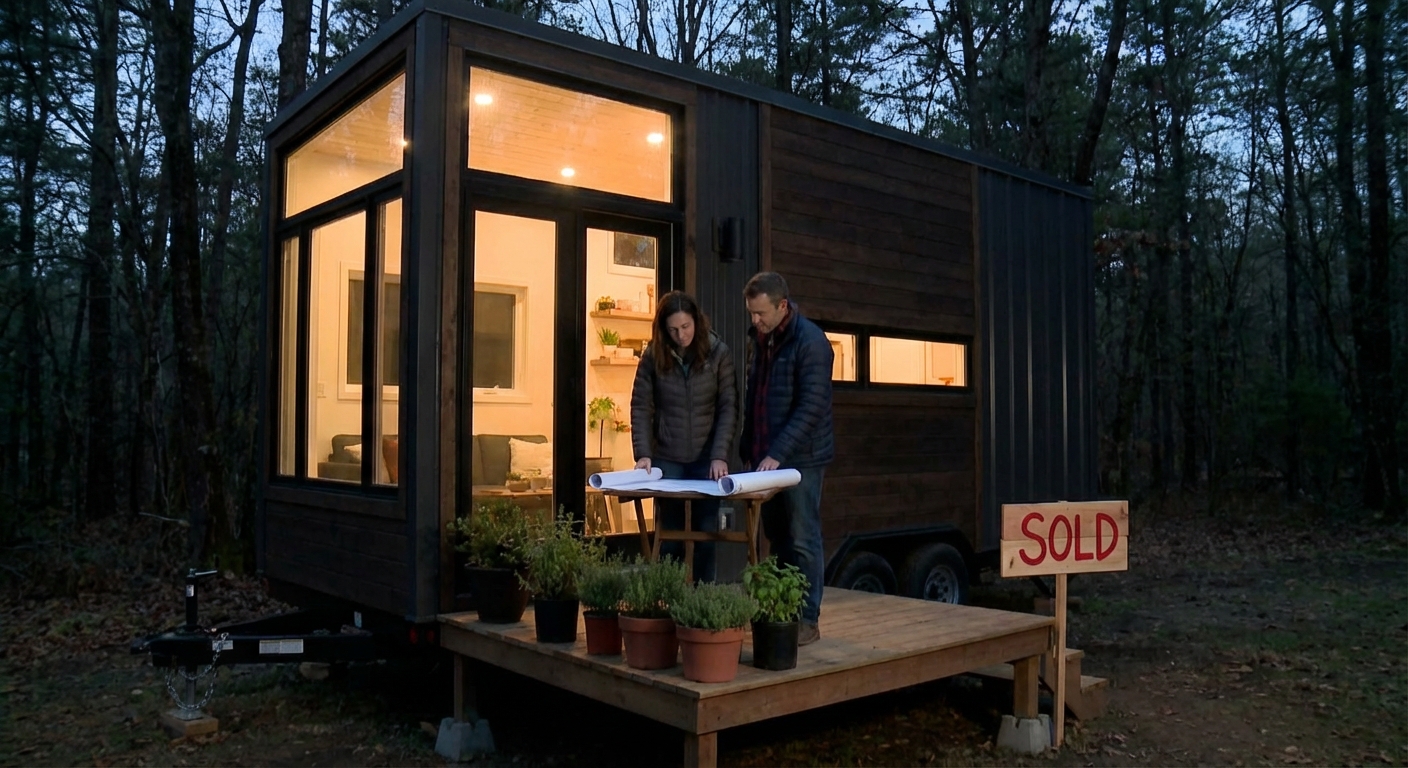
Step 1: Decide What “Tiny” Means for You
Tiny houses aren’t one-size-fits-all (literally). In my experience, the people who are happiest in them are brutally honest up front.
Most folks define:
- Micro: under 150 sq ft
- Tiny: 150–400 sq ft
- Small house: 400–1,000 sq ft
When I stayed in a 220 sq ft THOW, it was perfect solo, tolerable with a friend for a weekend, and… tense with three adults inside during a storm. Be realistic about:
- Household size – Partners, kids, pets, hobbies.
- Work needs – Remote work? You’ll want a real desk and acoustical separation if possible.
- Accessibility – Loft beds and ladders look cute online, but if you’ve got knee issues or expect to age in place, a main-floor sleeping space is worth the square footage.
A tiny house isn’t just smaller; it forces you to design around your actual daily habits. I realized I cook constantly, so I needed a real range and more counter space. That meant giving up the idea of a huge couch. Trade‑offs are the core of tiny life.
Tiny House on Wheels vs. On a Foundation
The first real fork in the road is mobility.
Tiny House on Wheels (THOW)
When I tested a THOW, I loved the flexibility—you feel like your home is a very fancy RV. But I also saw the fine print.
Pros:- Can move with you (within reason).
- Often classified as RVs, which can bypass some residential zoning rules.
- No permanent impact on land; easier to place in backyards or rural properties.
- You’re dealing with RVIA standards, trailer weight limits, and towing logistics.
- Insurance can be tricky—sometimes it’s RV insurance, sometimes tiny home specialty insurance.
- Parking legally long term is often the hardest part; many cities limit full-time living in RVs.
Tiny House on Foundation
These function more like conventional homes, but they slam into local building departments head‑on.
Pros:- Usually easier to insure as a dwelling.
- Can appreciate more like standard real estate.
- Often more stable temperature and less movement-related wear.
- Must comply with local building codes (often the International Residential Code—IRC—as adopted by your jurisdiction).
- Minimum dwelling size requirements can be a blocker, although IRC Appendix Q (adopted in some areas) is designed specifically for tiny houses under 400 sq ft.
- Permitting, site work, and utilities can cost as much—or more—than the structure itself.
My biggest lesson: you’re not really choosing a house, you’re choosing a regulatory category. Before you fall in love with a floor plan, call your local planning or building department and ask what’s actually allowed on your target property.
The Legal Maze: Zoning, Codes, and Where You Can Park
I learned fast that the cute cabin is the easy part; the paperwork is the boss level.
Here’s what I now check before I even glance at listings:
- Zoning district: What’s the minimum dwelling size? Are accessory dwelling units (ADUs) allowed? Any bans on RV living?
- Codes adopted: Has your area adopted IRC Appendix Q (tiny house standards)? That can be a game changer.
- Utility rules: Can you be on-grid? Are composting toilets or gray water systems allowed?
Some cities—like Fresno, CA and Portland, OR—have become more tiny‑house‑friendly by legalizing certain THOWs as backyard cottages or relaxing ADU rules. Others still require 800+ sq ft minimums.
In my case, a nearby county allowed a tiny house on wheels as an accessory dwelling but not as a primary residence. That meant I couldn’t just buy land and park my THOW there full-time without also building a larger main house. That single rule wiped out half my early plans.
The unsexy but crucial tip: call your local planning office early, be honest about your intentions, and take notes. I’ve had staff email me the exact code sections to read, which saved me dozens of hours.
Designing a Tiny Home That Actually Works Day to Day
When I first walked into a well-designed tiny house, it felt like a magic trick: full kitchen, storage staircase, sleeping loft, even a washer/dryer combo—all in under 300 sq ft.
But when I tested living in it, some “clever” features turned annoying fast. The fold-down table that blocked the bathroom door. The couch that had to be disassembled nightly for a guest bed.
Based on my experiments and way too many floor plan deep dives, here’s what tends to work:
Non‑Negotiables I’d Now Insist On
- A real, comfortable seating area with back support. Tiny benches and hard stools get old.
- At least one full-height wardrobe. Hanging storage is gold.
- A kitchen setup that matches how you cook – If you cook daily, go for real appliances and decent counter space over extra décor.
- Thoughtful window placement – Cross-ventilation and natural light make a small space feel vastly bigger.
Storage: The Tiny House Superpower
In the best tiny homes I’ve toured, every element works double duty:
- Stairs with drawers and cubbies.
- Lift‑up bed platforms with deep storage.
- Toe‑kick drawers under kitchen cabinets.
- Wall‑mounted magnetic strips, pegboards, and hanging racks.
When I trialed a tiny kitchen, a $20 magnetic knife strip and a ceiling-mounted pot rack honestly made it feel like I’d gained 10 sq ft.
Just remember: storage is only useful if it’s easy to access. Deep, dark cubbies that require yoga to reach become graveyards for forgotten gadgets.
Utilities: Water, Power, Heat, and the Big Toilet Question
I fell down a serious rabbit hole on this part, because tiny houses often sit somewhere between an off‑grid cabin and a suburban house.
Power
You’ve basically got three options:
- Grid-tied electrical hookup – simplest if allowed; think RV-style plug or standard panel.
- Solar with battery storage – great for off-grid or rural spots, but you’ll need to size realistically. My first test system couldn’t handle an induction cooktop and heater together.
- Hybrid – partial solar plus occasional shore power.
Water and Waste
This was the most “oh wow, real life” part for me.
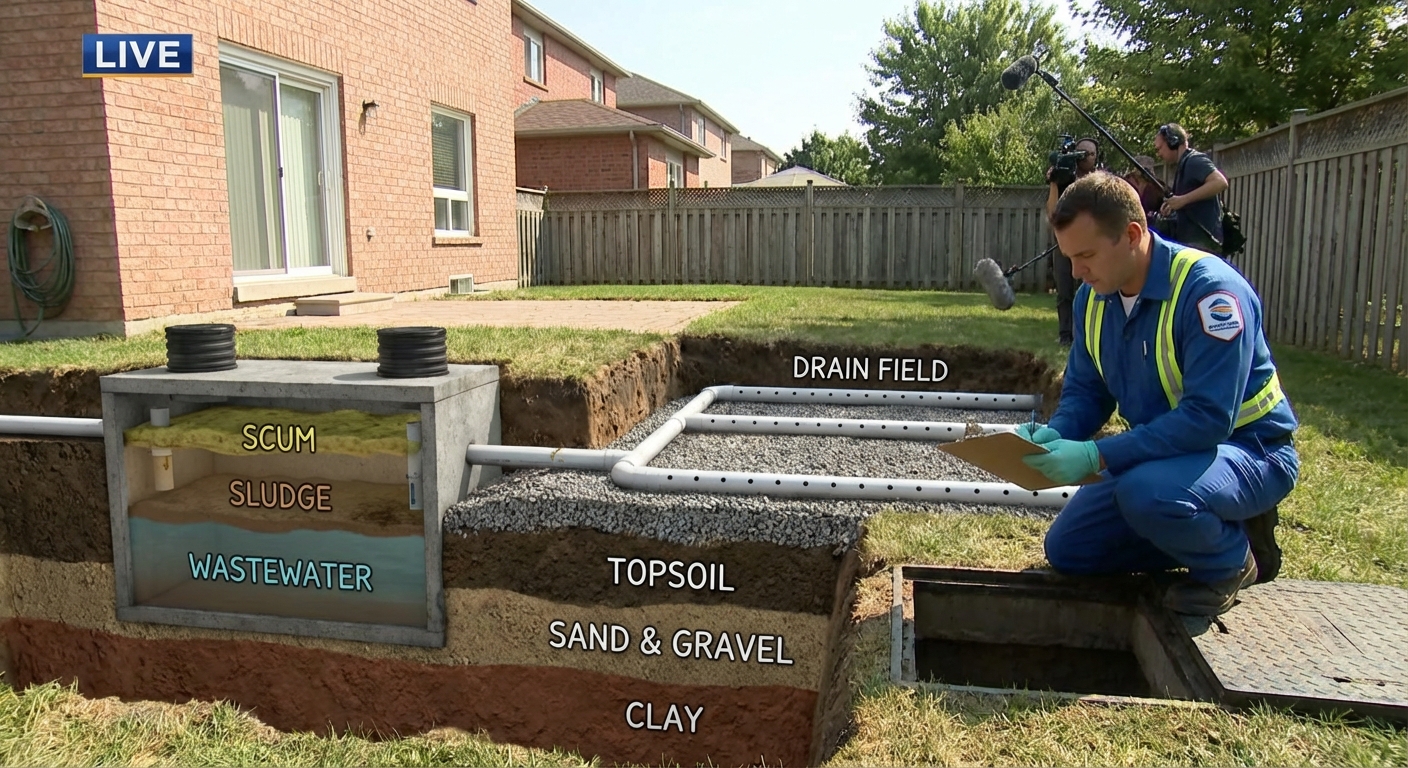
Toilets:- Flush toilet – feels normal, but requires septic or sewer.
- Composting toilet – popular in off‑grid tiny homes. When I tried one, it was… fine, but requires consistent maintenance and isn’t legal everywhere.
- Cassette or RV toilet – simple but frequent emptying.
- Showers and sinks often produce more wastewater than you’d expect. Some areas allow simple gray water systems; others require full septic.
I ended up deciding that, for long-term comfort, I’d prefer a grid-tied or properly permitted system instead of fully off-grid. Off-grid is romantic on YouTube; hauling water in January is less so.
The Real Costs: Build, Buy, or DIY
When I priced everything out, the “cheap tiny house” myth sort of cracked.
Here’s what I found, roughly:
- DIY build: $20,000–$60,000 in materials, plus hundreds of hours of labor. You’ll need tools, skills, and tolerance for building inspections (if on a foundation).
- Professional build (THOW or small foundation home): $60,000–$120,000+ depending on size, finishes, and systems.
- Used tiny house: Can be more affordable, but you must inspect the trailer, structure, and moisture issues carefully.
Then there’s the land question:
- Buying land can match or exceed the house cost, especially near cities.
- Renting a pad in a tiny house community or RV park usually runs $400–$900/month, including utilities in some areas.
In my experience, tiny houses shine financially when they either:
- Replace rent in a high-cost city (as a legal backyard ADU or similar), or
- Sit on land you already own or share with family.
As a speculative “cheap house” without a clear place to put it, they can actually become an expensive hobby.
The Emotional Side: What Tiny Living Actually Feels Like
This is the part that doesn’t show up in cost breakdowns.
When I did a month in that 220 sq ft THOW, here’s what surprised me most:
The Good:- I spent way more time outside. Morning coffee on the little deck became a ritual.
- Cleaning took about 15 minutes, total. No lost weekends to vacuuming.
- I felt an unexpected mental lightness from owning less.
- On rainy days, the space felt like a shoebox.
- Hosting more than two friends at once was awkward.
- Every item that didn’t have a home made the whole place look messy fast.
I also discovered that tiny life amplifies relationship dynamics. If you share the space, you will notice each other’s habits, good and bad. One couple I interviewed (they’ve lived tiny for four years) said their rule is: no silent stewing. In 260 sq ft, you talk things out or the tension is unbearable.
Is Tiny House Living Right For You?
After all my experiments, reading, and frankly obsessive research, here’s my honest gut take:
Tiny house living is worth considering if:- You’re excited about simplifying and aren’t overly attached to stuff.
- You’re willing to navigate local rules or maybe move to a friendlier area.
- You enjoy problem‑solving and can tolerate some quirks (like ladder climbs or combo washer/dryers that take forever).
- You need a lot of privacy or personal space to decompress.
- You have hobbies or gear that realistically won’t shrink (band practice, large woodworking tools, etc.).
- You’re hoping it’ll magically solve money stress without running the full numbers, including land, utilities, and ongoing costs.
The tiny house movement isn’t a cure‑all, but it can be a powerful way to reclaim your finances, time, and attention. For me, even dabbling in tiny living permanently changed how I think about space. I ended up moving into a small (not tiny) apartment, but I designed it with the same mindset: every item has to earn its keep.
If you’re curious, my strongest recommendation is this: test it first. Book a week—or better, a month—in a real tiny house. Work from there, cook there, live your normal life in that small space. You’ll know pretty quickly whether this is a fun fantasy or your next chapter.
And if it does hook you the way it hooked me, well… welcome to the club of people who get way too excited about well-designed stairs.
Sources
- U.S. Department of Housing and Urban Development – Accessory Dwelling Units - Overview of ADUs, zoning, and policy trends relevant to small and tiny dwellings.
- International Code Council – Overview of the International Residential Code - Details on the IRC, which many jurisdictions use, including Appendix Q for tiny houses.
- Forbes – How Much Does It Cost To Build A Tiny House? - Cost ranges and financial breakdowns for tiny house construction.
- CNN Travel – Inside the tiny house movement - Background on the tiny house movement and real-world examples of tiny living.
- Portland.gov – Accessory Dwelling Units Program - Example of a city with detailed ADU rules that often intersect with tiny house use.