Guide to Trader Joe’s Best Value Items
that messy note has turned into a surprisingly nerdy project: a real-world guide to Trader Joe’s best value items.
I’m not talking about just the cheapest stuff. I mean the sweet spot where flavor, ingredient quality, versatility, and price all line up. That’s where Trader Joe’s quietly becomes a budget-friendly cheat code.
Below is the guide I wish I’d had when I first started shopping there.
How I Judge “Best Value” at Trader Joe’s
When I tested items for this list, I didn’t just toss them in the cart and shrug. I compared:
- Price per ounce or per serving vs. similar products at Target, Whole Foods, and my local supermarket
- Ingredient quality (whole foods vs fillers, added sugars, seed oils, etc.)
- Versatility (can I use it in 3+ meals?)
- Shelf life (does it last, or does it die in my fridge in 48 hours?)
- Taste-to-effort ratio (does it taste like I did a lot more work than I actually did?)
In my experience, Trader Joe’s absolutely wins on value tiers: pantry staples, frozen meals, and certain fresh items that punch above their weight for the cost.
Let’s get into specifics.
Frozen All-Stars: Maximum Flavor, Minimal Effort
When I first really dove into TJ’s frozen section, I treated it like a science experiment. I tracked how often I actually finished things, how many “meh” meals I made, and what I kept rebuying on autopilot.
1. Frozen Chicken Soup Dumplings
I recently discovered the Chicken Soup Dumplings almost by accident, and they instantly joined my “do not run out” list.
- Why they’re a value win: You’re basically getting mini xiao long bao for a fraction of the price of ordering in. In my area, a similar order from a restaurant runs $9–$12; at Trader Joe’s you’re paying a few dollars for six dumplings.
- Texture & flavor: The wrapper is thinner than I expected for frozen, and the broth has actual depth—not just salty water.
- Restaurant-style payoff in 8–10 minutes
- Great as a snack, starter, or add-on to a bowl of noodles
- It’s easy to overcook them and blow out the soup
- Sodium is on the higher side, so it’s not a daily staple for everyone
2. Vegetable Fried Rice & Frozen Stir-Fry Veggies
When I tested this combo for a “I have 10 minutes and no plan” dinner, it quietly became my emergency weeknight system.
- Hack: One bag of Vegetable Fried Rice + a handful of the frozen Stir-Fry Vegetables + an egg or leftover chicken = a legit meal for under the cost of fast food.
- Value angle: Buying all those veggies fresh individually (peas, corn, carrots, edamame, etc.) costs more and some always go bad before I use them.
3. Frozen Indian Meals (Palak Paneer, Channa Masala, etc.)
I’ve tested most of these over the years, usually when I don’t want to cook but I don’t want to spend $25 on delivery either.
- Why they’re strong value: You’re getting spiced, complex flavor profiles that would take a while to build from scratch. Price-wise, it’s usually around what you’d pay just for naan from a restaurant.
- Real talk: They’re not as nuanced as a good local Indian restaurant and portion sizes can feel small if you’re hungry.
I treat them as a base: add extra rice, vegetables, or grilled chicken, and they stretch into a fuller, balanced meal.
Pantry Staples That Quietly Save You Money
The real savings at Trader Joe’s, in my experience, come from pantry items you don’t even think about—oils, sauces, and base ingredients you use every single week.
4. Extra Virgin Olive Oil
The first time I compared TJ’s 100% Greek Kalamata Extra Virgin Olive Oil to a mid-range bottle from a specialty store, I was… suspicious. The flavor was that good.
A few reasons this is a standout value:
- Price vs. quality: It’s typically a few dollars cheaper than comparable EVOOs with similar flavor and origin.
- Taste: Peppery, grassy, with enough body to actually drizzle on finished dishes.
Industry testing over the years has shown that Trader Joe’s EVOO often passes authenticity checks and sensory panels at a level that rivals more expensive brands (for example, UC Davis’s Olive Center has done extensive testing on U.S. olive oils and highlighted how common mislabeling is in the category).
Limitations:- If you’re an absolute olive oil nerd, there are more terroir-driven bottles out there—but the price jump is significant.
5. Brown Rice & Quinoa (Microwavable Packets)
When I tested the cost of microwavable Brown Rice and Quinoa vs. ordering grain sides from local spots or buying pre-made grain bowls, the numbers made me roll my eyes at myself for not doing it sooner.
- Cost per serving: Typically well under what you’d pay for a side of rice or quinoa at any restaurant.
- Value: You get portion-controlled, ready-in-3-minutes bases that make it much easier to throw together a “bowl” meal at home.
The trade-off: you’re paying more than dry rice per pound. But in my experience, you’re buying compliance. I’ll actually use these on weeknights, instead of staring at dry rice and thinking, “Nah, too much effort.”
6. Sauces That Make You Look Like You Know What You’re Doing
Two that consistently overperform for the price:
- Soyaki Sauce: A soy–teriyaki hybrid with sesame and ginger. I use this as a quick marinade for tofu, chicken thighs, or salmon. It’s cheaper than most branded marinades and legitimately good.
- Gochujang-Based Sauces (rotating options): Not a perfect replacement for real Korean gochujang, but a solid, accessible gateway. When I tossed it with roasted vegetables and leftover rice, it absolutely tasted like more effort than it was.
Pros: Fast flavor, relatively good price-per-ounce. Cons: Some versions lean sweet; read labels if you’re watching sugars.
Fresh Section: When Trader Joe’s Is (and Isn’t) a Deal
Fresh produce at Trader Joe’s is controversial in my friend group. Some people swear by it; others avoid it entirely. After a lot of testing, my personal verdict is: pick your battles.
7. Pre-Washed Greens & Salad Kits
I’ve rotated through basically every salad kit they carry. When I tested cost vs. buying all components separately (greens, nuts, cheese, dressing), the kits often won for small households.
- Best value use case: You’re feeding 1–2 people, you hate food waste, and you want salad to be “assembly only.”
- Example: The Southwest Chopped Salad Kit or Organic Caesar often come out cheaper than buying a big head of lettuce, croutons, Parmesan, and dressing individually.
Drawbacks:
- Shelf life can be short. I’ve had kits go limp in 2–3 days.
- Not exactly low-sodium, and dressings can be heavy.
8. Bananas and Certain Basics
I remember the first time I noticed TJ’s bananas were priced per banana, not per pound. It felt like I’d found a glitch in the matrix.
- Bananas: Usually one of the best consistent deals in the store, especially if you just need a few.
- Other basics that often price well: Carrots, bagged onions, and sometimes organic apples.
On the flip side, I’ve regularly found better deals (and better selection) for berries, herbs, and specialty produce at local markets or Costco. When I compared per-ounce prices, TJ’s berries were rarely the winner.
Protein: Where to Spend and Where to Save
Protein is where grocery budgets get wrecked fast, so I’ve kept a close eye on what genuinely stretches a dollar at Trader Joe’s.
9. Canned Fish (Tuna, Sardines, and Salmon)
I was late to the canned fish party, but Trader Joe’s made it less intimidating.
- Value edge: Their solid white albacore tuna and sardines in olive oil are usually cheaper than equivalent products at mainstream grocery stores for similar quality.
- Nutritional payoff: You’re getting high-quality protein and omega-3 fats at a very friendly cost-per-gram-of-protein.
Cons:
- The tuna can lean a bit dry; I usually mix it with Greek yogurt, mustard, or a bit of mayo.
- Sardines are a love/hate item—if you’re new to them, start with the olive oil-packed versions.
10. Frozen Chicken Thighs and Ground Turkey
When I compared price-per-pound across stores, TJ’s frozen chicken thighs and ground turkey were often competitive or better, especially for smaller packages.
What I like:
- Freezer-friendly, so I’m not panicking about using them in 2 days.
- Great for batch cooking: taco meat, meatballs, stir-fries.
What’s not perfect:
- Selection can be limited; if you’re picky about specific sourcing claims (pasture-raised, certain certifications), you might find more options elsewhere.
Dessert & Snacks: High ROI Treats
No one goes to Trader Joe’s and doesn’t browse snacks. When I tested value here, I looked at portion size, ingredient quality, and whether it actually satisfied cravings.
11. Dark Chocolate Bars
I’ve tried a frankly irresponsible number of TJ’s chocolate options.
- Standouts: The Pound Plus bars and many of the single-origin dark chocolates.
- Why they’re value kings: You’re often getting European-made chocolate at a price that undercuts similar bars at specialty stores.
In my experience, one big bar lasts much longer than a box of smaller, more “snackable” sweets. Built-in portion control? Not exactly. But the quality makes a square or two feel satisfying.
12. Popcorn & Corn Puffs
The Movie Theater Popcorn and World’s Puffiest White Cheddar Corn Puffs are what I call “party-per-dollar” champions.
- Big volume per bag
- Cheaper than most brand-name equivalents
- Perfect for group hangouts or Netflix-level grazing
Downside: they’re not health food. But as far as snacks go, they’re a good balance of price and crowd-pleasing flavor.
When Trader Joe’s Is Not the Best Value
To keep this honest: not everything at Trader Joe’s is a deal.
From my note-taking and receipt comparisons, here’s where I often skip TJ’s:
- Certain fresh produce (berries, herbs, specialty greens) – prices and freshness can lag behind local markets
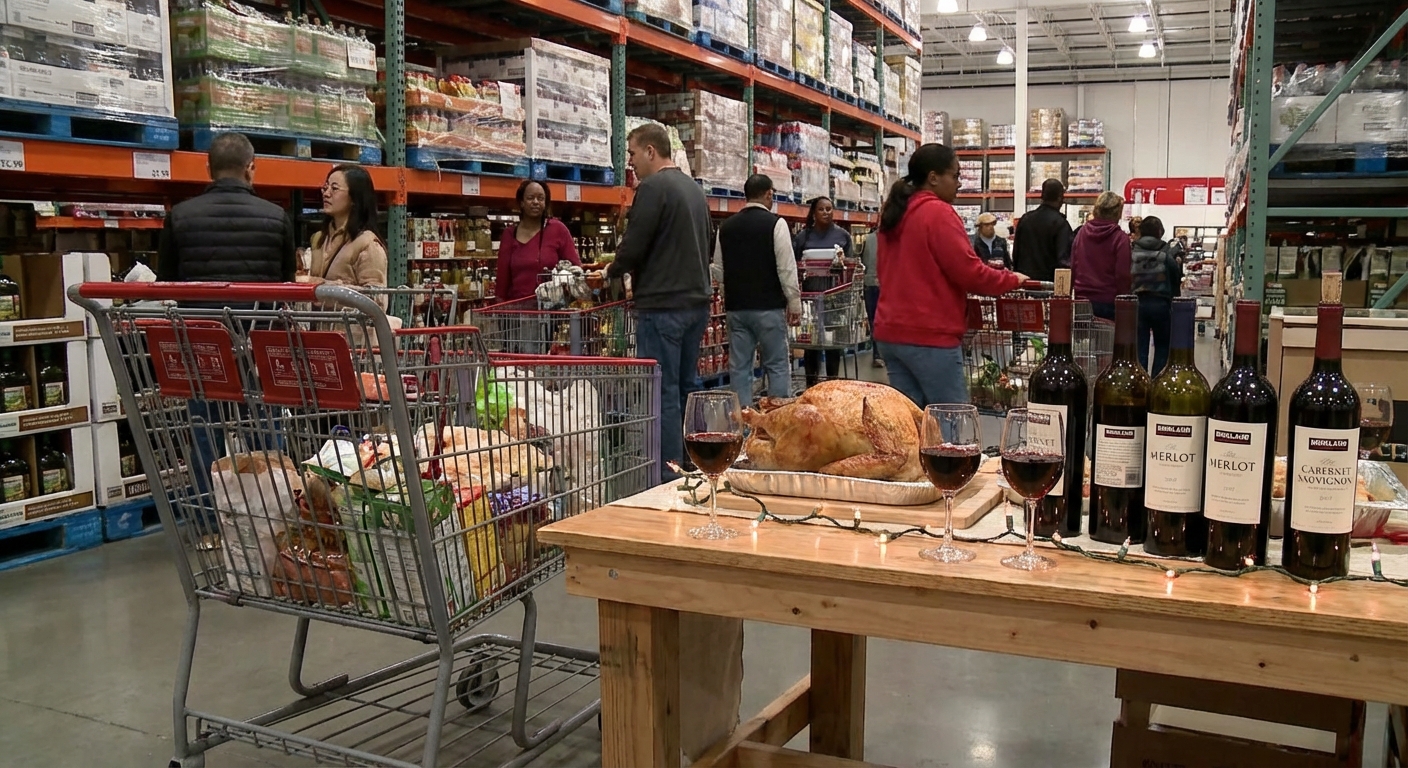
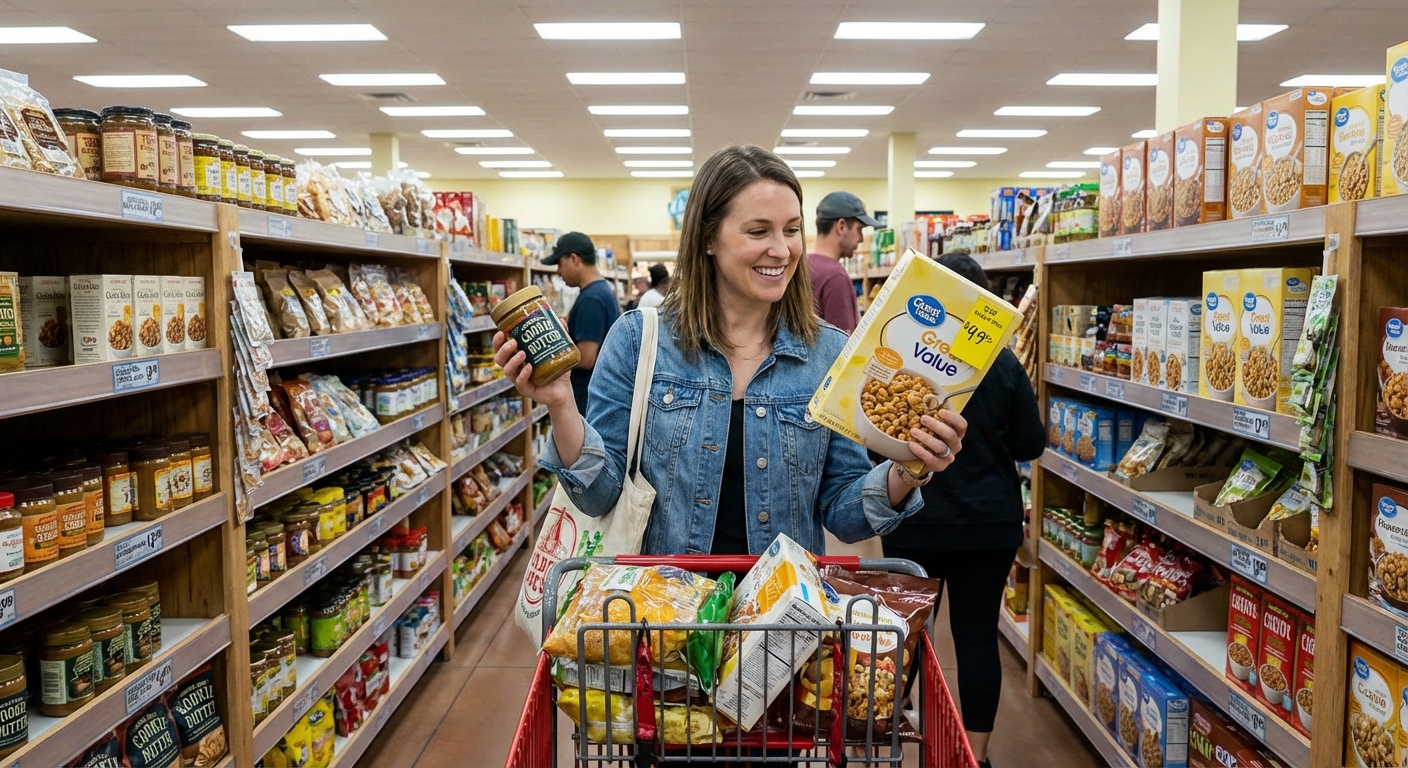
- Name-brand duplicates (soda, mainstream cereal) – big-box stores and warehouse clubs usually win
- Heavily packaged single-serve items – you’re often paying for convenience over volume
Value isn’t just about the shelf tag; it’s about what you actually use. A “cheaper” item that sits in your pantry for a year is more expensive than a slightly pricier staple you blow through every week.
How to Build a High-Value Trader Joe’s Cart
When I walk into TJ’s now, I use a loose framework that keeps my cart fun and efficient:
- 1–2 frozen emergency meals (soup dumplings, fried rice, Indian meals)
- Core pantry items (EVOO, rice/quinoa packets, a sauce or two)
- 2–3 proteins (canned tuna/sardines, ground turkey, frozen chicken)
- Targeted fresh produce (bananas, salad kits, a veg I know I’ll use)
- One treat (dark chocolate or a snack I really love)
When I stick to that template, my bill stays surprisingly reasonable and my weeknight stress drops a lot.
If you treat Trader Joe’s as your source for high-leverage staples plus a few fun extras, rather than a complete replacement for every category, it can absolutely be one of the best value players in your grocery rotation.
Sources
- UC Davis Olive Center: Testing the Quality of Olive Oils - Research on olive oil quality and authenticity
- U.S. Bureau of Labor Statistics – Consumer Price Index: Average Retail Food Prices - Data on average grocery prices for comparison
- Harvard T.H. Chan School of Public Health – The Nutrition Source: Fish - Overview of the health benefits of fish like tuna and sardines
- Trader Joe’s Official Website - Product listings and descriptions for Trader Joe’s food items
- New York Times – How to Shop for Groceries on a Budget - Expert tips on maximizing value when grocery shopping