Uncover Hidden Kitchen Benefits for Brain Health
ry felt foggy, and by 3 p.m. my brain was basically buffering. That’s when I started looking into what neuroscientists, dietitians, and longevity researchers actually say about food and brain health.
When I tested a few changes in my own kitchen—tiny things, not full lifestyle overhauls—I was genuinely surprised by how much sharper and more stable my brain felt. Not overnight miracle stuff, but very real, very noticeable.
Here’s what I uncovered hiding in plain sight, between your fridge, pantry, and cutting board.
The "Smart Fat" Swap Hiding in Your Pantry
The first thing I tackled was cooking oil. I’d always grabbed whatever was cheapest and neutral-tasting. Then I came across research on omega-3 and omega-6 balance and suddenly my frying pan felt suspicious.
A big 2017 review in Nutrients and multiple papers out of places like Harvard T.H. Chan School of Public Health link higher intakes of omega‑3 fatty acids (especially DHA and EPA) with better cognitive function and lower risk of age-related decline.
So I did two specific things in my kitchen:
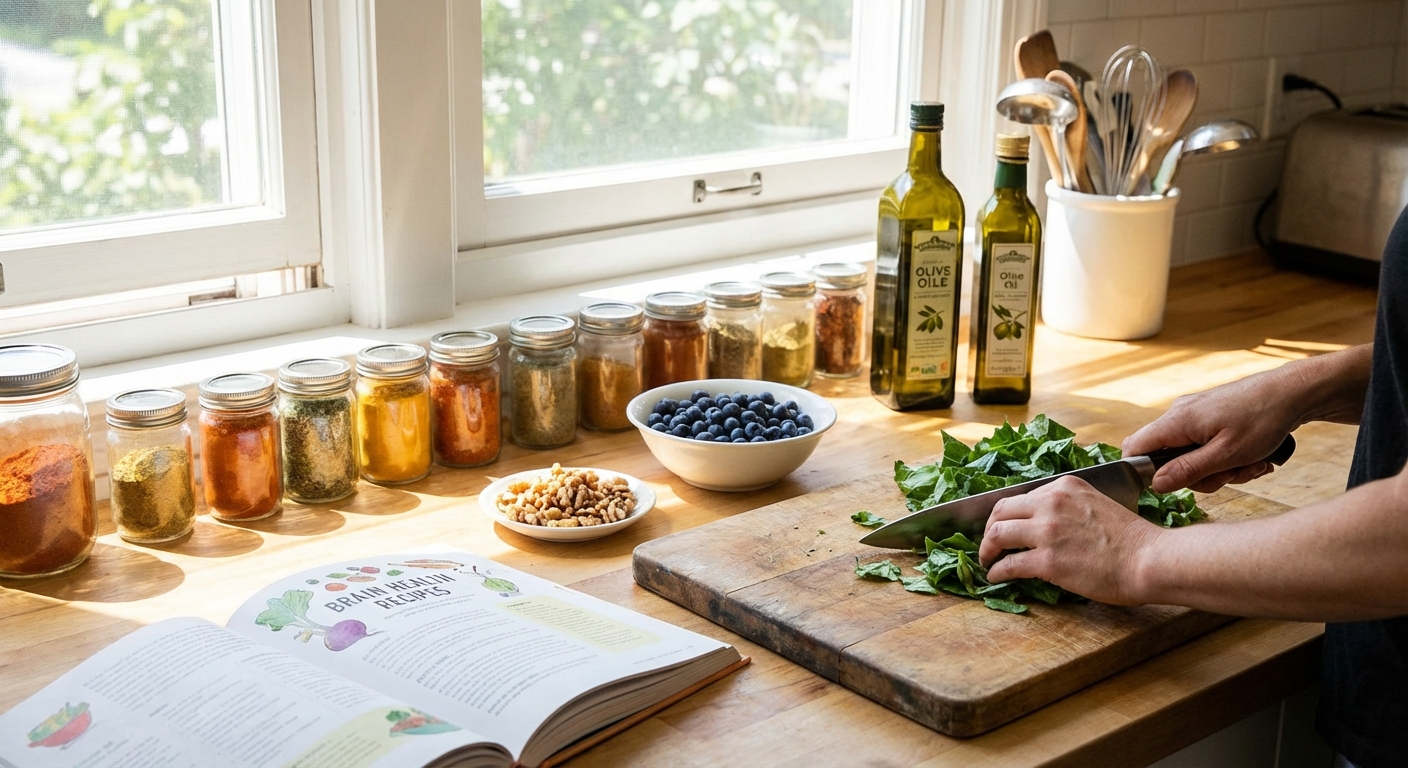
- Swapped generic vegetable oil for extra-virgin olive oil for most of my sautéing and roasting.
- Started keeping a visible bottle of flaxseed oil near my blender and added a tablespoon to smoothies a few days a week.
Within a couple of weeks, I wasn’t suddenly a chess grandmaster, but my midday brain fog eased. The bigger shift was that my energy felt more stable—less of that 4 p.m. crash that made emails feel like calculus.
Why it matters:- Extra-virgin olive oil is rich in monounsaturated fats and polyphenols. The MIND diet, which heavily features olive oil, has been linked with slower cognitive decline and lower Alzheimer’s risk in observational studies.
- Ground flaxseed and flaxseed oil provide ALA, a plant-based omega‑3 that your body can convert (a bit inefficiently) to EPA and DHA.
- Olive oil can get pricey, especially the good stuff.
- Flaxseed oil goes rancid fast; it needs to live in the fridge and stay capped tight.
- The evidence is strong for heart and general health, but for actual day-to-day brain performance, the science is still emerging—not a magic bullet.
Still, this is one of the easiest kitchen upgrades with a legit brain-health upside.
Coffee Rituals That Actually Support Your Brain
My brain basically has a coffee-shaped on-switch. But when I started tracking my sleep, I realized my 4 p.m. espresso was silently sabotaging me.
I went down a caffeine rabbit hole and found a 2015 meta-analysis in Nutrition showing that moderate coffee consumption is associated with better cognitive performance and a lower risk of neurodegenerative diseases. But there’s a big catch: timing and dose.
So I changed how I use coffee in my kitchen, not just how much:
- Cut off caffeine after about 1 p.m. Caffeine’s half-life is around 5–6 hours in most adults. When I stopped late-afternoon coffees, my sleep improved, and weirdly, my memory and attention during the day improved too.
- Upgraded from sugar-bomb lattes to mostly black coffee. When I tested removing that extra sugar, I avoided the rollercoaster spike-and-crash that made my brain feel like jelly.
- Added a glass of water next to the coffee machine. Silly simple, but dehydration can seriously impair attention and processing speed.
- Caffeine in moderate doses (about 1–3 cups of coffee) can improve alertness, reaction time, and some aspects of memory.
- Coffee is loaded with polyphenols like chlorogenic acids, which have antioxidant and anti-inflammatory effects.
- Too much or too late = wrecked sleep, and poor sleep wipes out any brain benefits.
- If you’re prone to anxiety, high caffeine can crank that up.
I still love my morning coffee, but now it feels like a tool for my brain rather than a crutch.
The Fermented Corner of the Fridge That Talks to Your Brain
I used to think sauerkraut was just something you grudgingly put on a hot dog. Then I read a 2017 review in Frontiers in Aging Neuroscience on the gut–brain axis and probiotics, and it completely reframed how I look at that neglected jar in the back of my fridge.
The short version: your gut bacteria produce neurotransmitters and signaling molecules that talk directly to your brain through the vagus nerve and immune pathways. Some studies show that certain probiotics can improve mood and reduce anxiety symptoms.
When I tested this, I didn’t go full wellness-influencer. I just:
- Started adding a forkful of live sauerkraut to my lunch a few days a week.
- Swapped my usual sweet yogurt for plain yogurt or kefir with live cultures, then added berries and a drizzle of honey myself.
Did I feel a massive mood revolution? Not exactly. But over a month or so, I noticed:
- Less bloating
- Slightly more stable mood
- A weird-but-real feeling that my stress response was less twitchy
That’s super subjective, of course, but it does line up with some of the early research.
Caveats:- Most probiotic studies use specific strains and doses; your random kimchi isn’t guaranteed to replicate that.
- Fermented foods can be high in salt, which isn’t ideal if you’re watching blood pressure.
- If you have digestive conditions, suddenly flooding your gut with ferments can backfire—go slow.
But as a low-effort kitchen habit, keeping one or two fermented items in rotation feels like an underrated brain-support move.
The Brain-Boosting Snack Drawer That Actually Works
My old snack strategy was: whatever’s closest. Usually something white, crunchy, and processed.
Then I came across a long-running body of research on nuts, berries, and cognitive health. For example, a 2022 review in Nutrients highlighted that regular nut consumption is associated with better cognitive performance, and multiple studies on the MIND diet emphasize berries for memory protection.
So I rearranged one tiny section of my kitchen: the snack zone.
What I keep stocked now:
- A jar of raw or dry-roasted walnuts and almonds on the counter
- A bag of frozen blueberries in the freezer (cheaper and just as nutritious as fresh)
- Dark chocolate (70%+ cocoa) in a labeled container
When I tested this, I made myself a rule: if I’m going to snack while working, it has to come from the “brain drawer.” No banning chips forever, just creating a frictionless default.
The result? I noticed:
- Fewer sugar crashes during deep work
- Less “brain fog” after snacking
- I naturally ate fewer ultra-processed snacks without forcing it
- Nuts: Healthy fats, vitamin E, magnesium, and polyphenols. Vitamin E has been linked with slower cognitive decline in several observational studies.
- Berries: Rich in anthocyanins, which have been shown to support memory and neuron signaling in animal and some human studies.
- Dark chocolate: Cocoa flavanols can improve blood flow to the brain and support executive function—though the sugar content still matters.
Downsides? Nuts are calorie-dense and easy to overeat, and dark chocolate is not a free pass to devour a whole bar nightly.
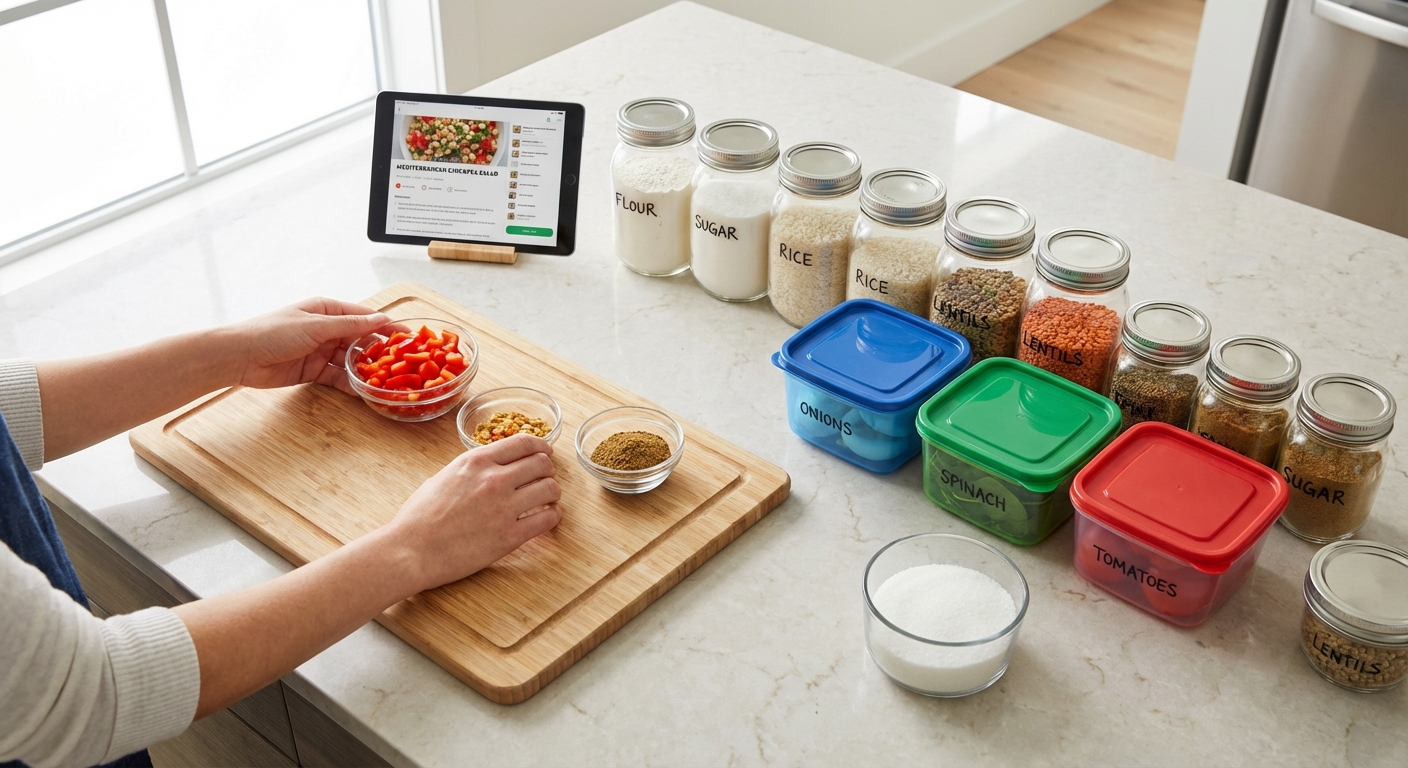
The Meal-Prep Trick That Quietly Protects Your Brain
One change that made a bigger difference than I expected wasn’t about a single food—it was about reducing chaos.
When my meals were random and last-minute, I defaulted to ultra-processed stuff with refined carbs, low fiber, and very little color. There’s growing evidence—like a 2022 study in JAMA Neurology—that higher intake of ultra-processed foods is linked with faster cognitive decline.
So I started a low-key Sunday ritual:
- Roast a big tray of mixed vegetables (broccoli, carrots, peppers, onions) with olive oil and herbs.
- Cook a batch of whole grains (quinoa, farro, or brown rice).
- Prep one fatty fish meal for the week if possible (usually salmon or sardines in olive oil).
In my experience, having those ready-to-go components in the fridge made brain-healthy meals the path of least resistance:
- Grain + roasted veg + fried egg = 7‑minute lunch
- Salmon + leftover veg + lemon = no-brainer dinner
The science angle:
- Colorful vegetables bring antioxidants and polyphenols that help tame chronic inflammation, which is strongly linked to cognitive decline.
- Fatty fish provides direct DHA, a major structural fat in your brain.
The honest downside: it takes an hour or so on the weekend and a bit of planning. But the payoff in brain clarity and fewer “I’ll just order fries” nights was worth it for me.
What Actually Matters Most (From My Kitchen to Yours)
After experimenting with all of this, here’s what stuck for me:
- Olive oil as the default cooking fat
- Regular nuts, berries, and dark leafy or colorful vegetables
- Fatty fish roughly once a week (sometimes from a can, I’m not fancy)
- Fermented foods in small, consistent doses
- Coffee used strategically, not endlessly
And just as crucial: protecting sleep, managing stress, and moving my body—all of which amplify or undercut whatever I do in the kitchen.
There’s no perfect brain diet, and the research is still evolving. Genetics, lifestyle, and existing health issues all change the equation. But your kitchen absolutely can become a quiet ally for your brain instead of a sneaky enemy.
If you try even one of these shifts—like redoing your snack drawer or swapping your cooking oil—pay attention over a few weeks. Track your sleep, your mood, your focus at 3 p.m. That’s where the real "hidden benefits" start to show up.
Sources
- Harvard T.H. Chan School of Public Health – Omega-3 Fatty Acids and Health - Overview of omega‑3 types, food sources, and health impacts
- National Institute on Aging – What Do We Know About Diet and Prevention of Alzheimer’s Disease? - Summary of research on dietary patterns like MIND and Mediterranean
- Mayo Clinic – Coffee and Health - Evidence-based look at risks and benefits of coffee
- Harvard Health Publishing – Foods Linked to Better Brainpower - Practical guidance and supporting science for brain-friendly foods
- JAMA Neurology – Association Between Ultra-processed Food Consumption and Cognitive Decline - Research linking higher ultra-processed food intake with faster cognitive decline