Guide to Using Hyaluronic Acid in Skincare
I’d just come off a brutal week of travel, jet lag, and zero humidity. My face looked like I’d aged five years in three days—dull, creased, foundation catching on every dry patch. Out of desperation, I grabbed a random hyaluronic acid serum from my shelf, layered it (very incorrectly, I later realized), and woke up… slightly better, but sticky and not exactly glowy.
That’s when I realized: hyaluronic acid isn’t magic. It works, but only if you actually understand how to use it.
This guide is the one I wish I had before I started slathering it on like salad dressing.
What Hyaluronic Acid Actually Is (And Why Your Skin Loves It)
In my experience, the more I understood the science, the better my skin behaved.
Hyaluronic acid (HA) is a glycosaminoglycan—basically, a sugar-based molecule that your body naturally produces. It’s found in your skin, eyes, and joints. Its superpower: it’s insanely good at holding water. Lab data shows HA can bind up to 1,000 times its weight in water.
Roughly 50% of the HA in your body lives in your skin (Dermatoendocrinology, 2012). But as we age, those natural levels drop. UV exposure, pollution, and lifestyle habits (yes, smoking and chronic stress, I’m looking at you) also degrade it.
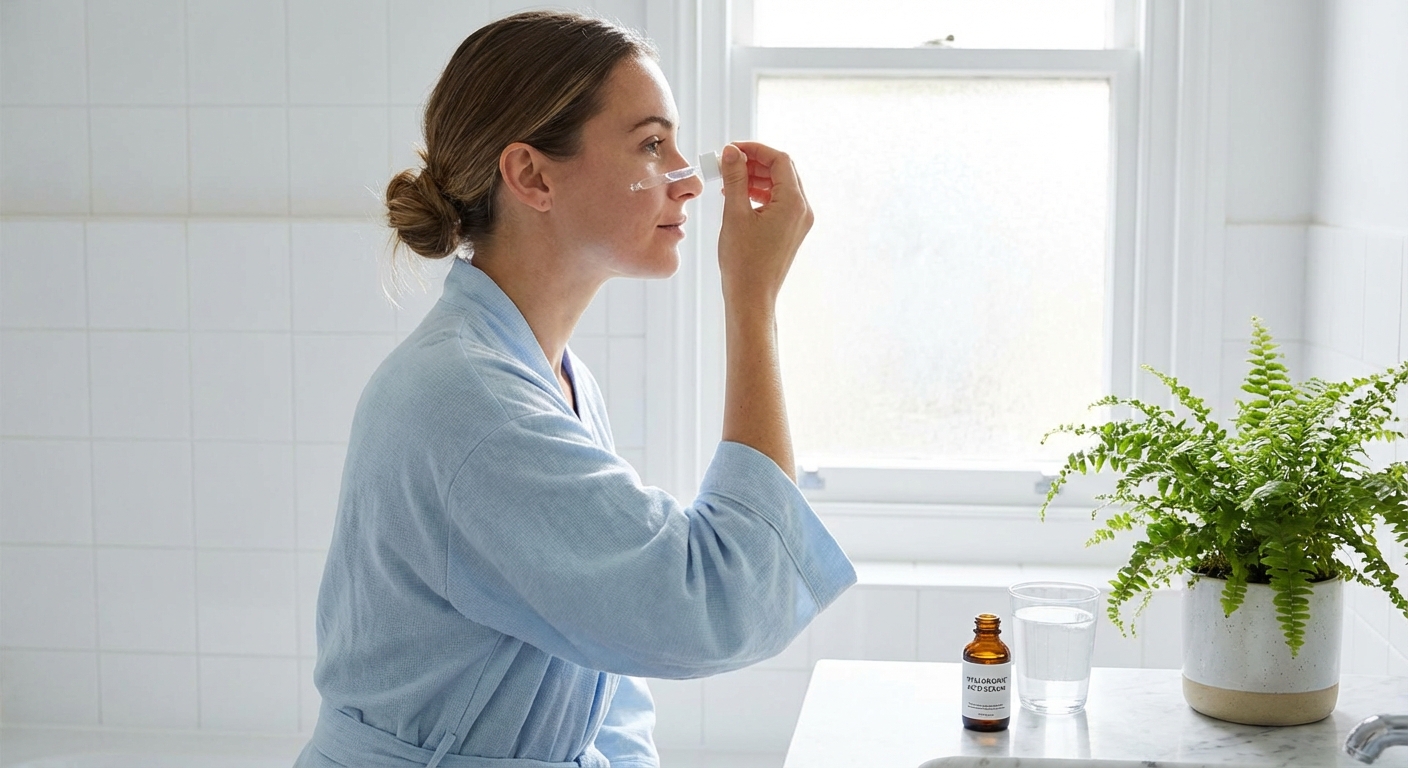
So topical HA is like a hydration assistant. It doesn’t “reverse aging,” but it helps your skin look smoother, plumper, and fresher.
When I started using it correctly, I noticed:
- My fine dehydration lines around my eyes softened
- My makeup stopped cracking around my nose
- That tight, post-cleansing feeling basically disappeared
Not overnight, not dramatic like filler—but definitely noticeable.
Different Types of Hyaluronic Acid (This Part Matters More Than the Packaging)
When I first tested different HA serums, I assumed they were all the same. Big mistake. The molecular weight changes everything.
Most formulas use one or more of these:
- High molecular weight HA (HMW)
- Sits more on the surface
- Great for instant plumping and that bouncy feel
- Can feel a bit sticky if the formula’s not well done
- Low molecular weight HA (LMW)
- Smaller molecules that penetrate a bit deeper into the epidermis
- Better for longer-lasting hydration
- Some sensitive skin types (including mine, occasionally) can get a bit reactive if there’s too much
- Sodium hyaluronate
- The salt form of HA; more stable and widely used
- This is what you’ll see on most ingredient lists
- Hydrolyzed hyaluronic acid
- Broken down into smaller fragments
- Often used in multi-weight blends for layered hydration
When a product bragged about “multi-molecular weight hyaluronic acid,” I used to think that was just marketing fluff. Then I tried a basic single-weight HA serum versus one with a mix of weights for a month each. The multi-weight formula kept my skin comfortable longer, especially in air-conditioned rooms.
So if you’re scanning ingredient lists, look for multiple forms: sodium hyaluronate, hydrolyzed HA, sodium hyaluronate crosspolymer, etc.
The Right Way to Use Hyaluronic Acid (Step-by-Step)
This is where most people—my past self included—mess things up.
1. Always Apply on Damp Skin
When I tested using HA on totally dry skin for a week (for science), my face got tighter and drier. Not fun.
HA is a humectant, which means it pulls water from wherever it can get it. If your environment is dry and your skin is dry, it can theoretically pull moisture from deeper layers of your skin instead of the air.
What works better for me:
- Cleanse
- Gently pat so my skin is damp, not dripping
- Spritz a hydrating mist or use a watery toner
- Then apply my HA serum
Instantly feels better and doesn’t turn weirdly tight.
2. Seal It In With Moisturizer
This step changed everything.
When I used HA alone under makeup, my skin often felt parched again by midday. Once I started sealing it in with an occlusive or semi-occlusive moisturizer (think creams with ceramides, squalane, or dimethicone), the hydration actually stayed.
My routine looks like this:
- Morning: Gentle cleanser → HA serum → lightweight moisturizer → sunscreen
- Night: Cleanser → sometimes a gentle exfoliant (not the same nights as retinoids) → HA serum → richer moisturizer or facial oil on top
Without that sealing step, it’s like filling a bucket with holes.
3. Don’t Layer It Under Everything Without Thinking
If you’re using actives like:
- Retinoids
- Vitamin C (especially low pH L-ascorbic acid)
- Strong exfoliating acids
I’ve found my skin prefers HA after the strong active, not before. It helps buffer irritation and lock in hydration.
On retinoid nights, my skin tolerates tretinoin way better when I do:
- Cleanse
- Light, damp layer of HA
- Let it sit a couple of minutes
- Retinoid
- Moisturizer
Some dermatologists recommend “sandwiching” retinoids between layers of HA or moisturizer for sensitive skin, and in my experience, that’s been a game changer.
Who Actually Benefits From Hyaluronic Acid?
Dry or Dehydrated Skin
This is where HA shines. When my barrier was wrecked from over-exfoliating (yes, I went too hard on glycolic), HA plus ceramides helped calm the tight, flaky disaster.
Oily and Acne-Prone Skin
This surprised me. I always thought HA was just for dry types, but when I switched a very oily friend from heavy cream to a gel moisturizer with HA and niacinamide, her skin looked less congested and more balanced.
The key: look for oil-free, non-comedogenic formulas. No thick, heavy occlusives if you’re acne-prone.
Sensitive Skin
HA is generally well-tolerated, but not universally. When I tested a serum with strong fragrance plus HA, my cheeks got red and stingy. Turned out the problem wasn’t the HA—it was the perfume and some plant extracts.
If you’re sensitive, go for:
- Short ingredient lists
- No strong fragrance or essential oils
- Mid-price range (the cheapest versions can be sticky and overloaded with irritants; the priciest are often just fancy marketing)
Pros and Cons (Yes, There Are Downsides)
Why People Love Hyaluronic Acid
From both personal testing and reading the research, here’s what I’ve consistently seen:
- Instant plumping effect: Fine lines from dehydration look softer
- Improved skin barrier: A 2011 study in the Journal of Clinical and Aesthetic Dermatology found topical HA improved skin elasticity and hydration after 8 weeks
- Plays nicely with most actives: I’ve layered it with retinoids, niacinamide, peptides, and vitamin C without much drama
- Safe for most skin types: It’s a molecule your body already makes
The Less Glamorous Side
From my own experiments and digging into forums, derm Q&As, and studies:
- Can feel sticky or filmy if the formula is poorly balanced or you use too much
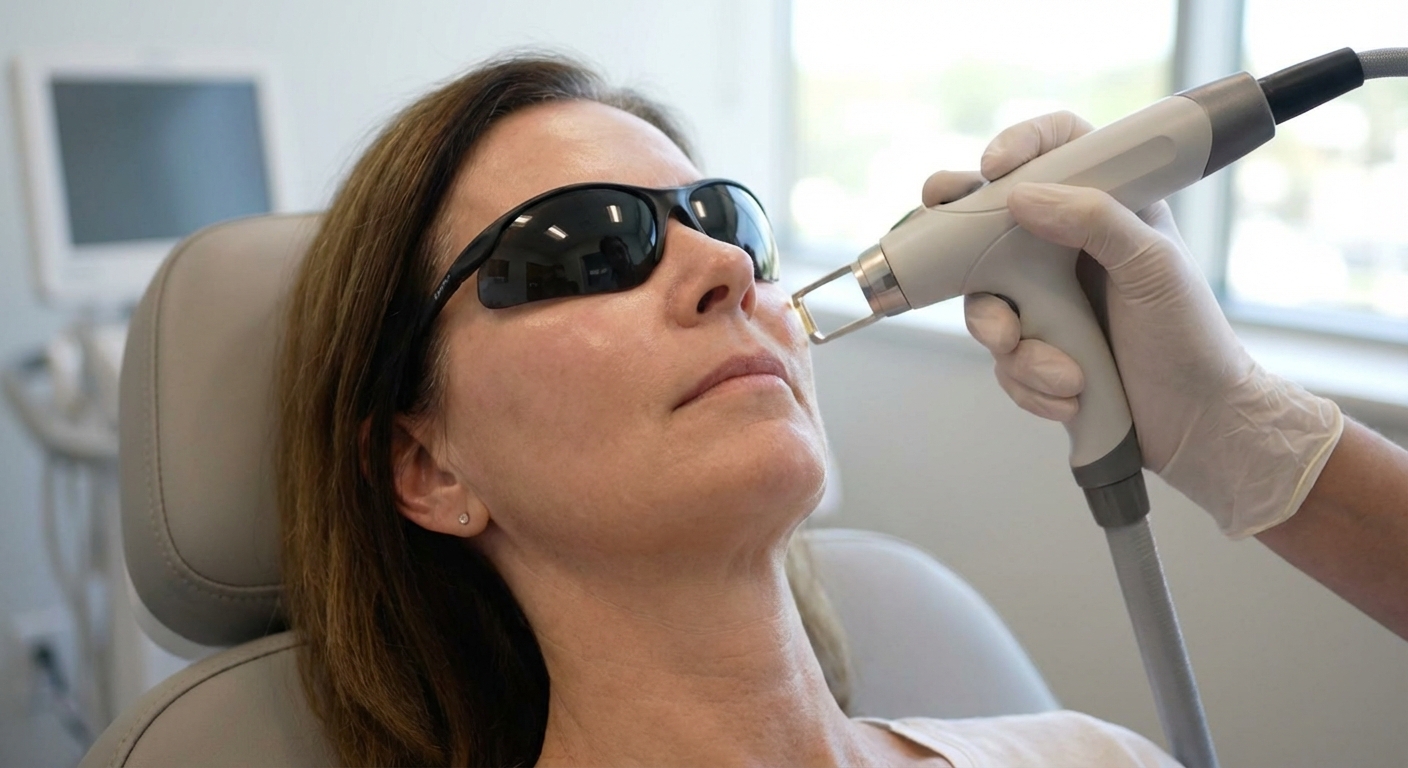
- Not a miracle for deep wrinkles: It helps with hydration-related fine lines, but it won’t replace in-office fillers or lasers
- Environment matters: In super dry climates, using HA without sealing it in can actually make your skin feel drier
- Some low molecular weight forms may irritate very sensitive skin
When I stayed in a hotel with insanely dry heating, my HA-only routine backfired until I added a thicker cream on top.
Common Mistakes I See (And Have Definitely Made)
- Using way too much
I used to think more = better. Now I use 2–3 drops or one small pump. Any more and it pills under sunscreen or makeup.
- Skipping moisturizer after HA
This is probably the #1 issue. HA is not a standalone moisturizer, it’s a hydration magnet that needs something to hold it in.
- Expecting anti-aging miracles
HA is incredible for hydration and plumpness. It’s not going to lift jowls or erase etched-in lines. When I framed it as a supporting actor, not the star, my expectations (and satisfaction) were way more realistic.
- Ignoring the rest of the formula
A great HA serum with terrible fragrance or harsh alcohols can still wreck your barrier. I’ve learned to evaluate the whole ingredient list, not just the front label claim.
How to Choose a Good Hyaluronic Acid Product
When I’m testing new HA products for reviews or my own routine, here’s my mental checklist:
- Multiple forms of HA: sodium hyaluronate, hydrolyzed HA, etc.
- Bonus hydrators: glycerin, panthenol, aloe, beta-glucan
- Barrier support: ceramides, cholesterol, fatty acids, squalane
- Texture that suits your skin type:
- Gel-serum for oily/combination
- Serum + cream or lotion for dry
- Minimal irritants: heavy fragrance, lots of essential oils, drying alcohols
And honestly, you don’t need the $100 serum. Some mid-range and even drugstore options perform extremely well when used correctly.
When Hyaluronic Acid Isn’t Enough
There was a phase where I tried to fix every skin issue with HA. Dryness? HA. Fine lines? HA. Texture? HA. Acne scars? You guessed it—HA.
Reality check from both derms and my own experiments:
- Texture and pores: You’ll likely need exfoliating acids (AHA/BHA) or retinoids
- Dark spots: Look to vitamin C, azelaic acid, tranexamic acid
- Deep wrinkles and sagging: In-office treatments (microneedling, lasers, fillers) are more effective
HA is an amazing supporting ingredient. It’s like the friend who always brings water and snacks to the party—not the DJ.
The Bottom Line From My Experience
When I tested going 6 weeks with and without HA in my routine (same cleanser, same moisturizer, same actives), I noticed:
- With HA: My skin looked plumper, makeup applied smoother, and I had fewer “tight face” days, especially in winter
- Without HA: My skin was fine, but less bouncy and more prone to those fine dehydration lines by afternoon
Is hyaluronic acid mandatory? No. Is it one of the easiest, most beginner-friendly, and genuinely helpful ingredients you can add? For most people, yes.
If you:
- Apply it to damp skin
- Seal it in with a good moisturizer
- Don’t expect it to replace Botox or lasers
…it can quietly become one of those products you don’t rave about constantly, but absolutely panic over when you accidentally leave it at home on a trip.
And speaking from experience—that panic is real.
Sources
- Hyaluronan: A key molecule in skin aging – Dermatoendocrinology (NIH/NLM) - Overview of hyaluronic acid’s role in skin structure and aging
- American Academy of Dermatology – Moisturizers: Tips for getting the most from them - Dermatologist guidance on humectants and sealing in hydration
- Mayo Clinic – Hyaluronic acid (oral route, injection route) - Medical background on hyaluronic acid and its properties
- Journal of Clinical and Aesthetic Dermatology – Efficacy of topical hyaluronic acid-based formulations - Study on topical HA improving skin hydration and elasticity
- Harvard Health – The science of skincare - Evidence-based overview of key skincare ingredients and how they work