Guide to What to Expect From a Professional Home Spa Service Visit
arathon… and I genuinely did not expect my living room to feel like a boutique spa in under 20 minutes.
If you’re spa-curious but hate commuting, parking, and awkward locker room encounters, a professional home spa visit can be a game-changer. Here’s exactly what to expect, what’s actually worth the money, and where the hype doesn’t always match reality—straight from my own slightly-obsessed-with-wellness experience.
Step 1: The Booking (Where You Realize How Many Options Exist)
I recently discovered just how deep the home spa rabbit hole goes when I started comparing services. Depending on your city, you’ll usually see:
- Mobile massage therapists (Swedish, deep tissue, sports, prenatal, lymphatic drainage)
- Facialists/esthetician services (classic facials, LED therapy, microcurrent, dermaplaning)
- Nail techs (manicures, pedicures, gel, nail art)
- Body treatments (body scrubs, wraps, sometimes even spray tans)
Most platforms or independent pros will ask you to choose:
- Service type and duration (60 vs 90 minutes, etc.)
- Preferred gender of therapist (if that matters to you)
- Any health concerns (injuries, pregnancy, skin conditions)
When I tested this with one of the big on-demand wellness apps, they also asked about pressure preference for massage and skin type for facials. That’s a good sign. Anyone who doesn’t ask basic intake questions? That’s a red flag for professionalism.
Pro tip from experience: Look for providers who list their licenses (e.g., Licensed Massage Therapist / LMT, Licensed Esthetician / LE) and who have clear photos of equipment and setup. I once skipped this step and ended up with someone using what I can only describe as “mystery oil in an old soda bottle.” Never again.Step 2: Pre-Visit Prep – What You Actually Need to Do
I used to over-prepare like I was hosting a royal visit. You don’t have to.
Here’s what I’ve found really matters:
- Clear a space about the size of a yoga mat plus a bit more. For massage tables, a 6x9 ft area is usually fine.
- Good lighting control for facials (they’ll usually bring their own light but a nearby outlet helps).
- Towels and linens – many pros bring their own, but I always keep a backup clean towel in case I want extra coverage.
- Pet plan – my dog once tried to “help” during a massage. Now I always put her in another room.
You don’t need to deep clean your home. These pros have seen everything. Just make it reasonably tidy and accessible.
Step 3: The Arrival & Setup – The “Mini Spa” Transformation
The first time I booked a mobile massage, I was weirdly nervous about someone bringing a whole spa into my apartment. In reality, it’s surprisingly low-drama.
Most pros will:
- Arrive 10–15 minutes early
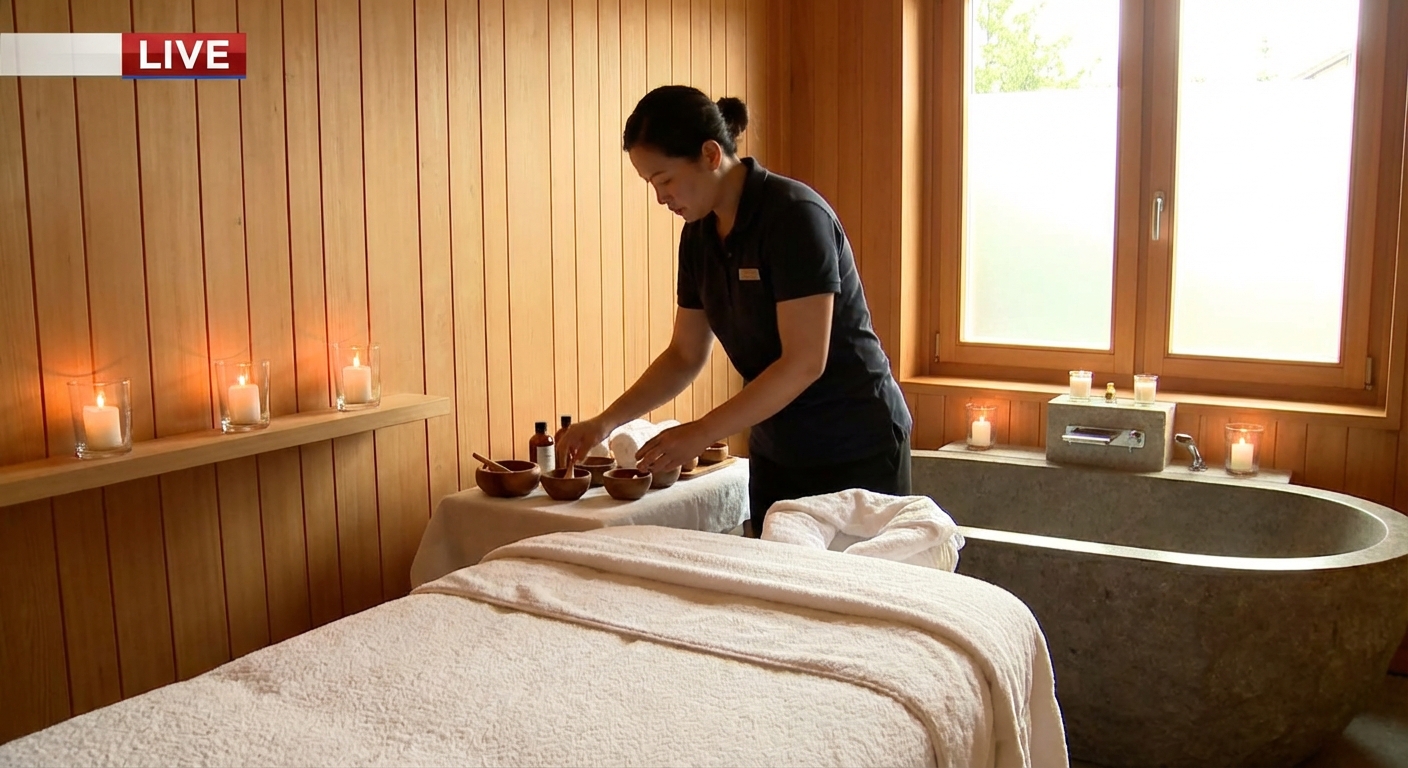
- Bring a folding massage table, stool, fresh linens, and products
- Set up a diffuser or small Bluetooth speaker if you want music
A seasoned therapist will do a quick consultation, asking about:
- Problem areas (neck, shoulders, lower back, etc.)
- Any injuries, surgeries, or chronic conditions
- Pressure preference (light, medium, firm)
- If you’re comfortable with things like glute or abdomen work
That short interview matters. There’s actual research backing this up: a 2018 review in the journal Pain Medicine found that communication and personalization significantly improve massage outcomes for chronic pain. When I started being specific (“please avoid my left shoulder; old lifting injury”), my sessions got 10x better.
For facials, my esthetician usually:
- Asks about my current routine and any actives (retinol, acids)
- Checks for allergies and sensitivities
- Inspects my skin in good light and adjusts the treatment
If they slap products on your face without asking a thing, that’s not a pro facial; that’s expensive guesswork.
Step 4: The Treatments – What Actually Happens
Home Massage: Not Just “Fancy Rubbing”
When I tested multiple providers, the best mobile massages felt identical to high-end spa treatments—minus the robe and awkward waiting lounge.
You can expect:
- Professional draping with sheets and blankets
- Use of massage oil or lotion (often jojoba, grapeseed, or blended oils)
- Techniques like effleurage, petrissage, trigger point work, and myofascial release
Research from the National Center for Complementary and Integrative Health (NCCIH) shows massage can help reduce short-term pain, anxiety, and stress (particularly for neck and back pain). I can’t promise a miracle cure, but I’ve genuinely slept deeper on nights after a good 90-minute session.
Pros:
- No commuting after you’re blissed out
- You control music, temperature, and lighting
- Ideal if you’re introverted or hate shared locker rooms
Cons:
- Your home may not feel as “sacred” as a spa space
- If you have loud neighbors or kids, it’s harder to fully drop in
- You’re partially responsible for ambiance (noise, clutter)
At-Home Facials: Customized Skin TLC
Home facials surprised me the most. When I booked one before a big event, my esthetician showed up with what looked like a mini skin lab: steamer, LED panel, extraction tools, masks.
Common steps:
- Double cleanse
- Skin analysis
- Exfoliation (enzyme, light chemical, or gentle physical)
- Extractions (optional)
- Mask targeted to skin concerns
- Serums + moisturizer + SPF (if daytime)
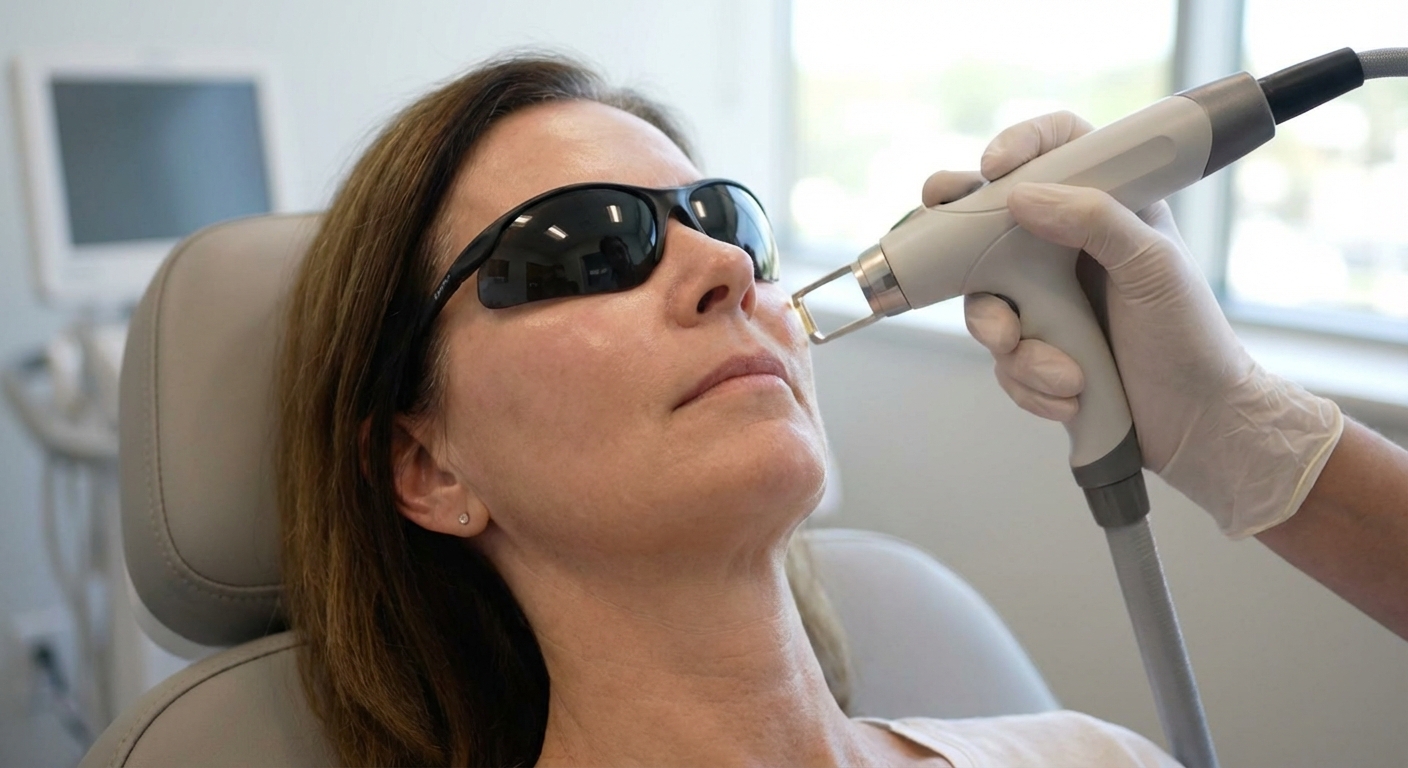
When I tested an LED add-on, she used a red/near-infrared panel similar to what you’d see in a clinic (not the flimsy knock-offs online). There’s decent evidence for this: a 2017 review in Seminars in Cutaneous Medicine and Surgery found LED therapy can improve collagen production and reduce fine lines over time—emphasis on over time, not in one magical session.
Pros:
- Fully customized to your bathroom cabinet reality
- No leaving the house with post-facial redness
- Great for ongoing skin coaching
Cons:
- Not all providers have medical-grade devices
- Results are subtle if you only do it occasionally
- If you’re acne-prone, you need someone who really knows what they’re doing
Hygiene & Safety: Signs You’re in Good Hands
As someone mildly germ-obsessed, I pay close attention here.
What I expect and insist on:
- Clean linens for every client
- Hand hygiene before and after the session
- Proper disinfection of tools (especially for facials and nails)
- Sealed, clearly labeled products
During and after the pandemic, many mobile providers actually got even stricter than some brick-and-mortar spas—face masks, temperature checks, and enhanced disinfection.
If something feels off—dirty sheets, sticky bottles, reused tools without cleaning—it’s okay to stop the session. You’re not being “difficult”; you’re protecting your health.
For nails, I once had a tech who tried to reuse a disposable file from her previous appointment. I politely asked for a new one, and she switched immediately. That one moment reminded me: you set the standards in your home.
Pricing: What You’re Really Paying For
When I compared prices, home spa services typically cost slightly more than mid-range spa visits, but often less than luxury hotel spas.
You’re paying for:
- The therapist’s travel time and setup
- Convenience and privacy
- Fully one-on-one, unhurried attention
You’re saving on:
- Parking, commuting, Uber rides
- Service fees some spas quietly tack on
I personally think the value is highest for:
- Deep tissue or sports massage (if you work out a lot or sit all day)
- Ongoing facials if you’re working on a specific skin goal
- Packages or memberships if you know you’ll use them consistently
I’m more skeptical of:
- Overpriced “detox wraps” promising dramatic weight loss
- Any claim that a single session will “erase years” of aging
Science just doesn’t back the dramatic claims. A balanced approach—nutrition, sleep, movement, skincare, and stress management—works better than any one miracle treatment.
How to Get the Most Out of Your Visit
After experimenting (probably too much) with different providers, this is what’s made the biggest difference for me:
- Communicate upfront. Be crystal clear about pressure, preferences, and what you don’t want.
- Hydrate before and after. Especially for massage and bodywork.
- Schedule smart. Give yourself at least 30–60 minutes after the session with no calls or work.
- Ask questions. I’ve gotten some of my best skincare tweaks from casually asking, “What would you change about my routine?”
When I started treating home spa visits less like a “one-off treat” and more like a tool for recovery and stress management, that’s when they became genuinely transformative—not just a nice hour.
Who Home Spa Services Are (and Aren’t) Great For
In my experience, home spa visits are especially good if you:
- Have a packed schedule and hate transit time
- Are introverted or find public spas overstimulating
- Have mobility issues or chronic pain and travel is hard
- Want long-term, personalized support with skin or muscle tension
They might not be ideal if you:
- Crave the full luxury-hotel atmosphere
- Live in a very small or very noisy space
- Prefer group spa days with friends
The sweet spot? Think of home spa services as practical luxury: recovery, skincare, and stress reduction, without the overhead of marble lobbies and gold faucets.
If you go in with clear expectations—relaxation, incremental improvements, and a truly convenient experience—you’ll almost certainly step off that massage table (or couch) wondering why you ever bothered fighting for parking at a spa.
Sources
- National Center for Complementary and Integrative Health – Massage Therapy Overview - Evidence and safety info on massage therapy
- Mayo Clinic – Stress Management: Massage - How massage can help with stress and what to expect
- Harvard Health Publishing – The Health Benefits of Relaxation - Science-backed effects of relaxation on body and mind
- UCLA Health – LED Light Therapy for Skin - Discussion of LED therapy and its benefits
- Cleveland Clinic – Choosing a Massage Therapist - Guidance on vetting massage professionals and staying safe