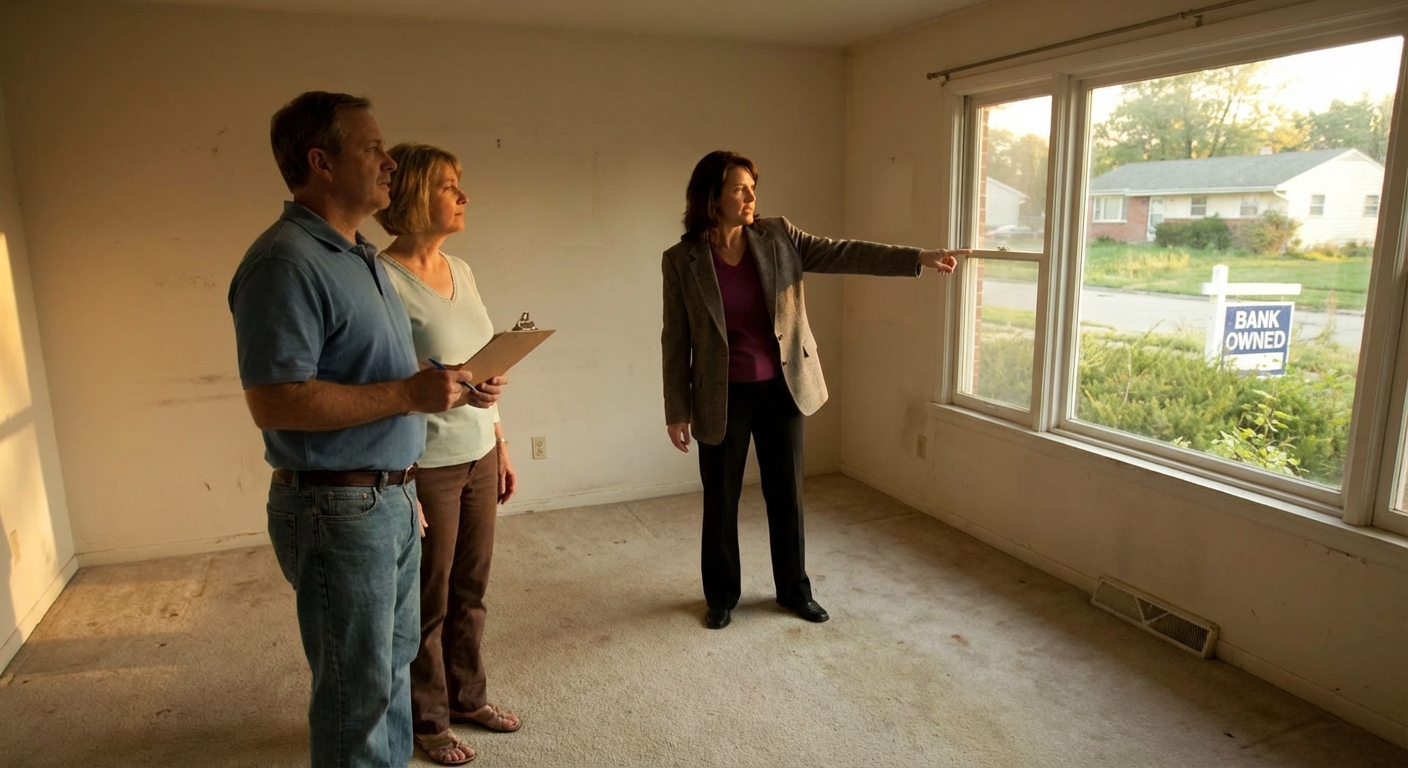
I Bought a “Ugly” House and It Changed How I See Real Estate
actually bought one of the “ugly” ones. That decision flipped my whole view of real estate, return on investment, and what really matters when you’re buying a place to live (or rent out).
This isn’t a fairy tale where everything doubled in value overnight. I made mistakes, misread a few things, and overspent on one very unnecessary light fixture. But the process turned into a crash course in how regular buyers can think more like investors without becoming those terrifying house-flippers on TV.
Let me walk you through what I learned — and how you can use the same mindset whether you’re buying your first place, your forever home, or your next rental.
The Moment I Stopped Chasing Pretty and Started Chasing Potential
When I started my home search, I was obsessed with finishes: quartz counters, trendy backsplashes, black hardware, the whole Pinterest starter pack. My agent kept gently saying: “You’re paying a premium for someone else’s taste.”
Then we walked into the house I eventually bought.
The kitchen was oak-on-oak-on-oak. The carpets were so old they probably remembered dial‑up. But the floor plan was functional, the neighborhood was solid, and the inspector said the roof, foundation, plumbing, and electrical were all in good shape.

In my experience, the “ah-ha” moment is when you stop asking:
> “Do I like how this looks right now?”
and start asking:
> “What’s expensive to fix vs. what’s cheap to change?”
Here’s how I started breaking it down while walking through houses:
- Expensive, non‑sexy stuff (pay attention): roof, foundation, HVAC, windows, plumbing, electrical panel, drainage. These are the things that can destroy your budget.
- Medium‑cost layout stuff: moving walls, changing window sizes, reconfiguring kitchens/bathrooms.
- Cheap(ish), high‑impact stuff: paint, lighting, hardware, flooring, landscaping, cosmetic kitchen updates.
When I ran some rough numbers, I realized: a “pretty” house in the same area would cost about $80,000 more than my “ugly” one — and I could cosmetically update mine for a fraction of that.
That’s when the ugly house became very, very attractive.
How I Ran the Numbers Like an Investor (Without Needing a Finance Degree)
The most powerful mindset shift for me was this: My feelings about the house mattered — but the math had veto power.
When I tested this on my own deal, I used a super simple framework:
- Start with realistic after‑repair value (ARV)
I pulled sold comps (not just listings) within about a half‑mile, same bed/bath count, similar square footage. I looked at three levels:
- “As‑is” dated homes
- Nicely updated but normal
- Fully renovated, top‑of‑market finishes
Based on sales in the last 6–12 months, I figured my finished place could conservatively be worth about 12–15% more than my purchase price plus renovation costs.
- Estimate renovation costs — then add 20–30% buffer
I got two contractor estimates for:
- Floors
- Paint (interior and some exterior)
- Kitchen facelift (not a full gut)
- Two bathroom refreshes
- Basic landscaping
My first estimate: ~$35,000.
What I actually spent: ~$42,000.
I was glad I’d built in that buffer — materials and labor prices actually do move, and not in your favor.
- Use a basic cash flow check (if you might ever rent it)
I wasn’t planning to rent it immediately, but I still ran the numbers as if it were a rental. I pulled local rents from Zillow and Apartments.com, then used a simple rule of thumb a lot of investors use:
> Monthly rent should be at least 0.8–1% of all‑in cost (purchase + rehab) for long‑term rentals in many markets.
I was at about 0.75%. Not a slam‑dunk investment grade deal, but decent for a primary residence with good long‑term potential.
- Stress‑test the exit strategies
I asked myself:
- If I had to move in 2 years, could I rent this out near breakeven or better?
- If the market dipped 5–10%, would I be okay staying put?
- If interest rates dropped, could I refinance and improve the numbers?
What surprised me: looking at the house this way actually lowered my anxiety. Instead of “Do I love it enough?” my brain flipped to: “Does this make enough sense?”
The Renovation Rollercoaster: Where I Saved Money and Where I Blew It
Here’s where the theory hit real life.
The first three months after closing felt like living inside a Home Depot. Dust everywhere, endless decisions, delivery delays. But this is also where I discovered which upgrades truly matter — and which are just Instagram bait.
What delivered huge bang for the buck
In my experience, these upgrades massively changed how the home felt and perceived value, without blowing the budget:
- Flooring: I replaced mismatched tile and stained carpet with durable LVP (luxury vinyl plank) throughout the main areas. Suddenly the whole house felt cohesive and modern.
- Paint: Warm white walls, fresh baseboards, and painted trim completely erased the “90s rental” vibe.
- Lighting: Swapping dated fixtures for simple, modern ones made every room feel more expensive than it was.
- Front yard cleanup: We didn’t do a full landscaping project — just trimmed, mulched, edged, and added a few plants. The before/after impression was wild.
These are exactly the kind of budget‑conscious value‑add improvements that real estate pros talk about in BRRRR (Buy, Rehab, Rent, Refinance, Repeat) style strategies — you’re not rebuilding the house, you’re unlocking its existing potential.
Where I messed up
I also absolutely overspent in a few areas:
- I insisted on a statement light fixture in the dining room that looked great… and no appraiser on earth will ever give me an extra dollar for it.
- I changed a bathroom layout that really didn’t need changing, adding framing and plumbing costs that ballooned the budget.
- I underestimated how long permits for a minor exterior change would take, which delayed the whole project and forced me to live in more chaos for longer.
The lesson: renovations that change function (adding a bedroom, creating an open kitchen, adding a second bath) usually carry more value than renovations that only change aesthetic flair.
Buying With “Plan B Energy”: What If You Don’t Live Here Forever?
When I talk to people now who are house‑hunting, I always ask them a slightly annoying question:
> “If you had to move out in 2–3 years, would this place still make sense financially?”
I call it buying with “Plan B energy.” You’re not just buying a home, you’re buying a future asset.
Here’s how I think about it now:
- Neighborhood trajectory: I don’t need a “hot” area, but I do want signs of long‑term stability or improvement — decent schools, maintained parks, some local investment, low vacancy. I’ve found local city planning or economic development websites are weirdly underrated for this.
- Rentability: Even if I never intend to be a landlord, I ask:
- Is the layout functional for most people?
- Are there major dealbreakers (weird access, no parking, unsafe stairs)?
- Is it near jobs, transit, or a hospital/university (stable sources of tenants)?
- Exit flexibility: Could I:
- Sell to a first‑time buyer?
- Rent it traditionally?
- Offer mid‑term furnished rentals (for traveling nurses, relocations, etc.)?
In my case, when I later checked local rental listings, I realized my house could comfortably rent for enough to cover the mortgage, taxes, insurance, and basic maintenance with a small cushion. That alone made me sleep better at night.
The Real Risks: What No One Shows You on HGTV
I’m not going to pretend this strategy is magic.
Here are the less‑fun truths I’ve lived (and watched friends go through):
- Renovation fatigue is real. Living in half‑finished spaces strains your patience and relationships. If you’re already maxed out with work or kids, you might need to scale back your ambitions.
- Markets do move sideways — or down. During hot years, it feels like anything you buy and improve will rise in value. That’s not guaranteed. Historically, U.S. home prices trend upward over the long run, but local markets can stagnate or dip for years.
- Interest rates can box you in. If you buy when rates are high, you might be banking on refinancing later — which is not a sure thing. If you buy when rates are low, future buyers might struggle to afford your resale price when rates rise.
- Being a landlord is a job, not passive income fairy dust. I’ve self‑managed a small rental before. Late‑night calls, vacancy, repairs, fair‑housing laws — you have to treat it like a business and stay up to date on your local regulations.
So why do I still like the “ugly house with good bones” strategy?
Because, for regular people who don’t want to trade stocks all day, controlling a real asset where you live and improving it over time can be a surprisingly powerful blend of lifestyle and long‑term wealth building — as long as you stay honest about the risks and the work involved.
What I’d Do Differently If I Started Over Tomorrow
If I could go back in time to when I was refreshing listings at 1 a.m., here’s how I’d approach things from day one:
- I’d spend more time deeply learning one or two neighborhoods instead of swiping through half a city. Knowing the going rents, recent sale prices, local politics, and upcoming projects in a tight area is a real edge.
- I’d interview at least two buyer’s agents to find one who actually understands investment math, not just granite colors.
- I’d get comfortable walking away, even after paying for inspections, if the numbers stopped making sense.
- I’d plan renovations in phases, with clear “stop points,” so if money or time got tight, I could pause without living in a construction zone.
Most of all, I’d remember this: the “perfect house” is a moving target, but a smart house purchase tends to look smart under many different futures.
My ugly duckling of a house is never going to be a TV reveal show. But it’s solid, it works for my life, the numbers make sense, and each improvement I make is building both comfort and equity.
And that, honestly, feels a lot better than quartz countertops ever did.
Sources
- Federal Reserve – Historical Mortgage Interest Rates (FRED) – Long‑term data on 30‑year fixed mortgage rates, useful for understanding how rate changes affect buying and refinancing decisions.
- U.S. Census Bureau – American Community Survey Housing Data – Official statistics on housing characteristics, homeownership rates, and neighborhood trends across the U.S.
- Harvard Joint Center for Housing Studies – “The State of the Nation’s Housing” – Annual research on housing affordability, remodeling trends, and long‑term market dynamics.
- National Association of Realtors – Remodeling Impact Reports – Data on which home improvement projects tend to deliver the highest perceived value and return on investment.
- U.S. Department of Housing and Urban Development (HUD) – Information on rental housing programs and regulations that can affect landlords and rental property strategies.