I Turned My Tiny Balcony into a “Second Living Room” — Here’s Exactly How
e closet than part of my home.*
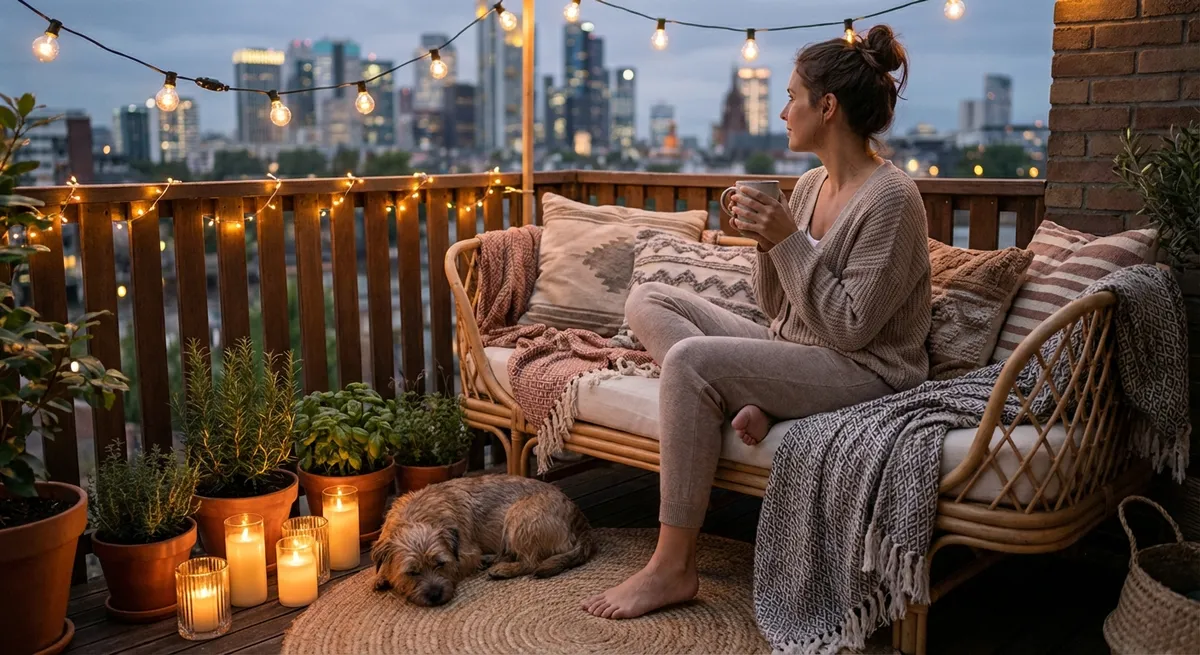
Fast-forward a few weeks and that same 40-square-foot balcony became the most fought-over “room” in my place. Friends were calling dibs on the corner chair. My neighbor literally asked, “Did you hire a designer?”
I didn’t. I just treated that little outdoor space like a real room and tested a bunch of small, strategic upgrades. Some worked brilliantly. Some were a waste of money. I’ll walk you through what actually transformed it—so your balcony, patio, or tiny yard can pull way more weight than its square footage suggests.
Step One: Stop Calling It “Just the Balcony”
The biggest shift for me wasn’t a piece of furniture; it was how I framed the space in my head.
I stopped thinking of it as “the balcony” and started calling it “the outdoor living room.” That small language change totally altered my decisions. When I asked myself, “What would a living room need?” suddenly it was obvious: layered lighting, comfy seating, a place to put a drink, something soft underfoot, and one or two things that spark pure joy.
When I tested this mental trick, my purchases got way more focused. Instead of scrolling endlessly for “balcony decor,” I made an actual layout sketch like I would for an indoor room. I measured where my feet actually landed when I walked out, so I wouldn’t block the door. I figured out the one spot that always got shade and decided, “Okay, that’s the reading corner.”
Designers do this constantly—they define the function of a space before they ever pick colors. I basically stole that move and adapted it to my shoe-box balcony. If you skip this function-first step, you end up with random cute things that don’t work well together. I wasted money on a side table that looked great in the product photo but blocked my door from opening fully. Lesson learned: measure, then buy.
My advice: give your outdoor area a job. “Breakfast nook,” “yoga deck,” “wine-and-podcast zone,” “kids’ mess-lab.” Once you name it, decisions get 10x easier and the space starts to feel intentional, not accidental.
Finding Furniture That Doesn’t Hate Weather (Or Your Back)
I used to think all outdoor furniture was either:
- flimsy and about to snap, or
- heavy, expensive, and built for a sprawling suburban deck I definitely don’t have.
So I started testing pieces in person. When I sat on a few bargain chairs in a big-box store and felt them wobble under me, I realized why so many balconies look sad after one season.
Here’s what actually worked well for my small space and unpredictable weather:
I went with powder-coated steel chairs that stack and a narrow bench with storage under the seat. Powder coating matters—it’s basically a baked-on finish that resists rust better than standard paint. I checked that the welds were smooth and continuous (no tiny gaps where water sneaks in and rusts the frame from inside). A salesperson told me that even good outdoor furniture usually lasts 5–15 years depending on climate and care; flimsy stuff can look rough after one hard season.
Comfort was my non-negotiable. I brought a book to the store, sat in a few display chairs for 10–15 minutes, and paid embarrassing attention to lower-back support. Chairs with slightly angled backs and a bit of flex felt the best. Anything with a totally upright, rigid back felt like office furniture pretending to be fun.
On the downside, outdoor cushions drove me slightly insane. The cheap ones faded in a month, and the really plush ones took forever to dry after rain. I eventually landed on:
- medium-firm cushions with removable, machine-washable covers
- quick-dry foam cores
- fabric rated for UV resistance (often labeled “solution-dyed acrylic” or similar)
I don’t baby them, but I do stand them up vertically against the wall after rain so water sheds off instead of sitting and soaking.
If you’re on a tight budget, I’d put money into:
- One genuinely comfortable chair
- A small but sturdy side table
- A weather-resistant outdoor rug
Everything else (pillows, lanterns, little decor things) can be swapped out over time, but those three change the feel of the space immediately.
My Lighting Setup That Made Everything Feel 2x Bigger at Night
Lighting was the moment my balcony stopped feeling like a fire escape and started feeling like a destination.
I tried a bunch of options—clip-on lights, cheap fairy lights, one painfully bright flood light I regretted instantly. The setup that finally worked was layered, just like indoors:
- Overhead twinkle / ambient light
I hung one strand of shatterproof LED string lights from wall hooks along the top edge of the balcony. I chose “warm white” (around 2700–3000K color temperature), not cool white. That warm tone is what makes spaces feel cozy instead of like a doctor’s office.
- Low, soft accent light
I added two solar lanterns at floor level. When I tested these, I realized how much low light changes depth perception—the floor lights made the balcony boundaries more visible, so the space somehow felt larger and safer at night.
- Task light for reading
I skipped a standing lamp (too bulky) and bought a small, rechargeable table lamp. It lives on the side table and moves around as needed. On my test nights, this mattered way more than I expected—I actually stayed out to finish chapters because I could, you know, see the page.
From a safety angle, I made sure any extension cables were outdoor-rated and plugged into a GFCI outlet (those outlets with the little test/reset buttons that help prevent shock in damp locations). I checked the IP rating on my lights too—IP65 or higher for anything more exposed means they can handle rain.
Downside: some solar lights were wildly inconsistent. A few cheap ones would shine beautifully for two nights then die early on a cloudy day. I ended up paying a bit more for reputable brands after doing some late-night review deep dives, and the difference was obvious.
Pro tip I learned the hard way: don’t overdo the brightness. When I first put up lights, I cranked everything up and my balcony looked like a small airport runway. Dimmer, warmer light felt instantly more relaxing and also annoyed my neighbors less.
Plants That Survived My Neglect (And Actually Helped Cool My Apartment)
I used to be the plant killer of the friend group. So when I say I now have a tiny jungle thriving on an unforgiving, sun-baked balcony, it still surprises me.
The breakthrough was treating my balcony like a microclimate. I spent a couple of days noticing:
- How many hours of direct sun it actually got
- Where wind whipped through
- Which corner stayed a little shady and cooler
Once I mapped that out, my plant choices stopped being random.
I live in a hot summer city, and research from building and environmental groups shows that plants and green cover can reduce local surface temperatures and cool the air through shade and evapotranspiration (basically plants sweating in a helpful way). When I added taller plants along the railing, I could feel a real difference stepping out—less glare, slightly cooler, more privacy.
Plants that survived my “oops, I forgot to water you yesterday” lifestyle:
- Herbs like rosemary, thyme, and mint in containers with good drainage. Mint especially was almost annoyingly hardy; it tried to take over its pot.
- Succulents and hardy perennials in the sunniest spot, with a gritty, fast-draining soil mix so I didn’t drown them.
- One medium-size shrub in a big pot, basically acting as a green privacy screen. I chose something rated for my climate zone so it wouldn’t hate winter.
I started using self-watering planters for the thirstier plants. These have a water reservoir at the bottom and a little indicator that shows when to refill. The first weekend heatwave that hit 95°F, I blessed past-me for that decision. Instead of finding wilted plants, I just topped up the reservoirs.
Downsides:
- Big pots are heavy—especially with wet soil. I checked my building’s rules for weight limits and avoided lining the entire railing with stone planters.
- Overwatering was my biggest early mistake. I assumed hot weather = more water, but the plants sitting in constantly damp soil started rotting. Once I let the top inch of soil dry out between waterings, things stabilized.
If you’re truly plant-phobic, start with just one or two hardy pots and see how it feels. Even a single tall plant in the corner changes the psychology of the space—it softens all the hard edges and makes it feel more like a garden room than a concrete ledge.
Storage Tricks So It Stays Cute, Not Cluttered
Here’s where I nearly ruined the whole vibe: storage.
The first month, my balcony slowly turned into a pile of random things “temporarily” shoved out there—cardboard boxes, a drying rack, a rogue shoe. Whenever something didn’t have a home inside, it migrated outside. Sound familiar?
I had to design in storage on purpose or the whole second-living-room concept would die.
Here’s what bailed me out:
- A bench with hidden storage
This was the MVP. Inside: outdoor cushions, a small watering can, bug spray, and a folded throw blanket. It doubled as extra seating when I had people over. When I tested cheaper storage benches, I found some had super thin bottoms that bowed even under a few items, so I went with one rated for both seating and storage weight.
- Wall-mounted hooks
I installed a couple of removable, heavy-duty outdoor hooks on the side wall. Suddenly my folding drying rack, lantern, and even a string bag for garden gloves had a real spot instead of sitting on the floor.
- A “no garage” rule
I made a personal rule: if I wouldn’t be okay with that item sitting in my living room, it’s not allowed to live on the balcony. That rule alone kept the vacuum box, random tools, and sports gear from camping out there permanently.
Downside: storage furniture that’s weather-resistant and not hideous is surprisingly expensive. I had to comb through a lot of options and read reviews carefully to avoid pieces that warped or faded fast. If your budget is tight, I’d rather see you use a simple plastic storage bin tucked into a corner (and maybe disguised with a throw over the top) than have no storage and endless clutter.
The moment everything had a designated spot, my balcony instantly felt calmer. It was like giving the space a reset button.
How I Actually Use the Space Now (And What Didn’t Work)
When I first finished, I worried the balcony would end up as “Instagram nice, daily life useless.” So I tracked how I actually used it for a few weeks.
Here’s what surprised me:
- I drank almost all my weekend coffee out there without even planning to. I’d wake up, wander out barefoot, and it just became automatic.
- I finally had a spot to take phone calls where I didn’t feel like my walls were listening. It made even boring calls feel less draining.
- My reading time went up because the reading chair out there felt like a treat, not like my regular couch.
Things that didn’t earn their keep:
- A tiny, overly trendy side table that looked good but tipped over if you breathed on it. I replaced it with a heavier, flat-topped stool.
- A cheap outdoor speaker that distorted at low volume. I realized I preferred using a small portable speaker from indoors placed near the door, so I could move the sound where I needed it.
- Too many decorative pillows. They were cute for about two days, then constantly ended up on the floor. I kept two and stored the rest.
From a mental health angle, having this “second living room” changed how my apartment felt overall. Instead of one fixed set of rooms, my home suddenly had “zones”: inside-couch mode, balcony-reading mode, evening-drink mode. It’s a small psychological trick, but it made my place feel bigger and more flexible without adding a single square foot.
I’m not going to pretend this cured stress or made my life perfect. Some days I barely look at the balcony. But when I remember it exists, stepping out there for even five minutes does something quietly powerful: it signals to my brain, we’re off duty now.
Conclusion
Turning my tiny, bland balcony into a legit second living room wasn’t about copying some perfect Pinterest photo. It was a series of small, slightly nerdy decisions: treat it like a real room, invest in one or two truly comfortable pieces, layer warm lighting, pick plants that match your actual habits, and give clutter nowhere to hide.
Some experiments flopped. Some upgrades felt too expensive upfront but paid off every single evening. But the biggest win is this: my outdoor space stopped being a forgotten add-on and became part of my daily life.
If you’ve been ignoring your own balcony, patio, or little concrete rectangle, this is your sign to give it a job and see what happens. That tiny patch of outdoors might just become your favorite room.
Sources
- EPA – Using Trees and Vegetation to Reduce Heat Islands – Explains how plants help cool spaces and reduce heat, which applies directly to balcony and patio planting.
- U.S. Department of Energy – Lighting Choices to Save You Money – Details LED lighting, color temperatures, and energy-efficient outdoor lighting options.
- Consumer Reports – How to Buy Outdoor Furniture – Covers materials, durability, and what to look for when choosing weather-resistant outdoor pieces.
- Royal Horticultural Society – Container Gardening – Practical guidance on growing plants in pots, including watering, soil, and plant selection for small spaces.
- National Fire Protection Association – Outdoor Electrical Safety – Safety tips for using outdoor-rated lights, cords, and outlets on balconies and patios.