Learn About Face Lifting Options
olabial folds were suddenly… there, and my face just didn’t match how young I still felt inside.
So I did what many of us quietly do: I went down the face-lifting rabbit hole.
I’ve since talked to board-certified dermatologists and plastic surgeons, tried a couple of non-surgical treatments myself, read way too many studies, and asked every friend who “suddenly looks really rested” what they did.
Here’s what I’ve learned—without the fluff and without pretending there’s a magic cream that will do what only real procedures can.
The Big Picture: What “Face Lifting” Actually Means
When I first started researching, I thought a facelift was just one surgery that pulled everything upwards. It’s not that simple.
Most experts break face lifting options into three big categories:
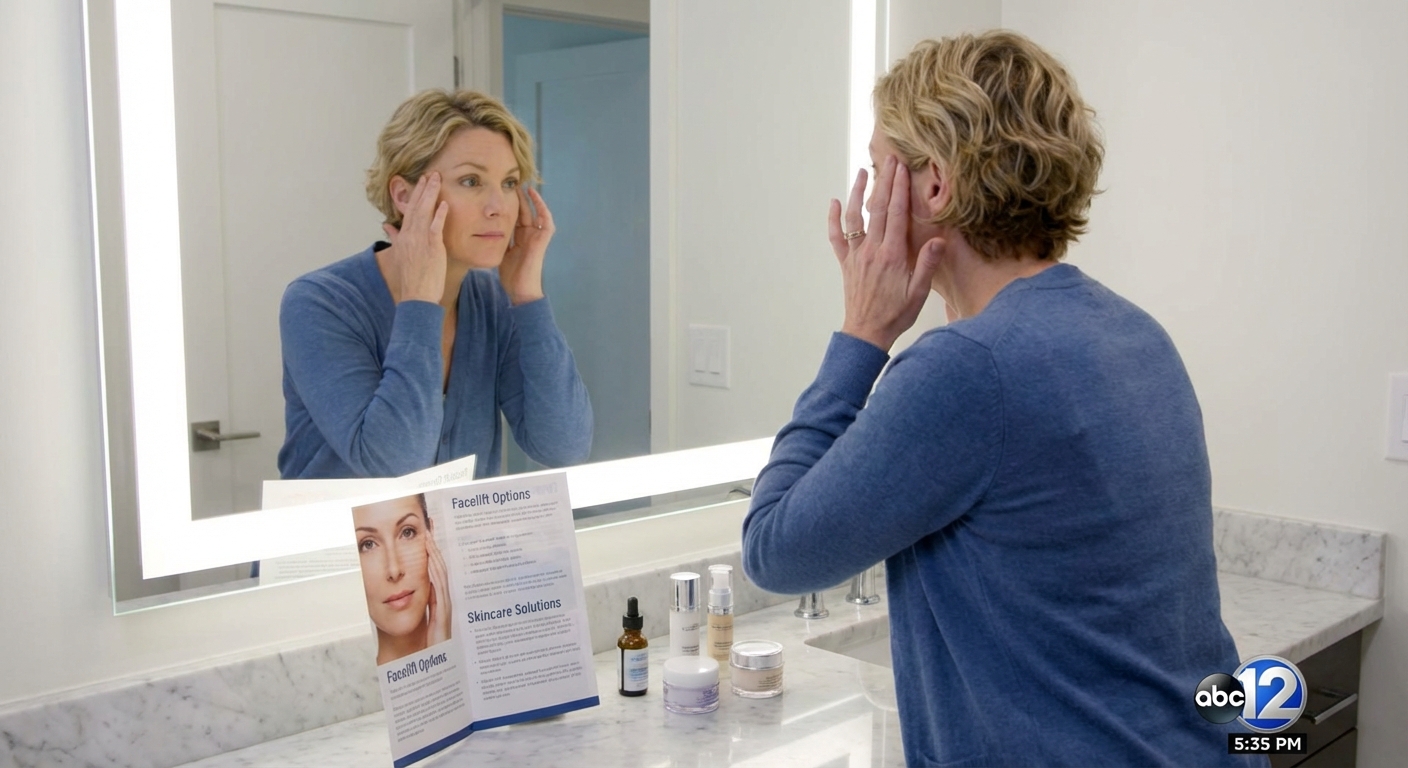
- Skincare & lifestyle support (foundation, not a true “lift”)
- Non-surgical / minimally invasive lifting (threads, ultrasound, RF, injectables)
- Surgical facelifts (deep structural lifting and repositioning)
The right option depends on:
- Your age and skin quality
- How much sagging you actually have
- Your tolerance for downtime, risk, and cost
- Whether you want subtle or dramatic results
One facial plastic surgeon told me something that stuck with me: “Gravity is a structural problem. Creams are a surface solution.” Skincare matters—but it can’t hoist a fallen cheek back where it used to live.
The Foundation: Things That Help, But Don’t Truly “Lift”
When I tested different routines, here’s what I noticed: the healthier my skin, the better any lifting procedure looked. But none of these actually lifted my face like a surgeon’s before‑and‑after photo on Instagram.
Medical-Grade Skincare
Dermatologists kept repeating the same three ingredients:
- Retinoids (retinol, tretinoin) – boost collagen over months
- Vitamin C – brightens and supports collagen
- Broad-spectrum sunscreen – slows down collagen breakdown
A 2016 review in The Journal of Drugs in Dermatology showed topical retinoids improve fine wrinkles and skin texture over time. It’s gradual, but real.
In my experience, sticking with tretinoin for 9–12 months made my skin look tighter and more even—but it didn’t lift my jowls. It just made everything look more refined.
Lifestyle (Annoying but True)
I rolled my eyes at this, but the data keeps coming back to the same culprits:
- Smoking = earlier and deeper wrinkles
- Chronic sun exposure = collagen destruction
- Poor sleep + high stress = slower skin repair
The American Academy of Dermatology has position statements linking UV exposure with premature aging. I started wearing SPF 30+ every day not out of virtue, but because every expert I met practically begged me to.
Non-Surgical Face Lifting Options
Here’s where things get interesting—and a bit confusing. I’ve tried a couple of these myself, and I’ve watched friends try almost all of them.
1. Injectables: Fillers & Neuromodulators
What they do:- Hyaluronic acid fillers (think Juvederm, Restylane) add volume in strategic places like cheeks and temples, which can create a lifted look.
- Neuromodulators (Botox, Dysport, Xeomin) relax muscles that pull the face downward (like platysmal bands in the neck or the depressor muscles around the mouth).
When I tried a conservative amount of filler in my midface, the effect surprised me. My under-eye area looked less hollow, and my nasolabial folds softened. I looked fresher, but it wasn’t a true lift; it was more optical illusion via volume redistribution.
Pros:- Quick (usually under an hour)
- Reversible (hyaluronic acid fillers can be dissolved with hyaluronidase)
- Results visible almost immediately
- Temporary (6–18 months)
- Overfilling can create the infamous “pillow face”
- Rare but serious risks (vascular occlusion, blindness) if done by unqualified injectors
The FDA has multiple safety communications about dermal fillers; that was my wake‑up call to only see board-certified professionals.
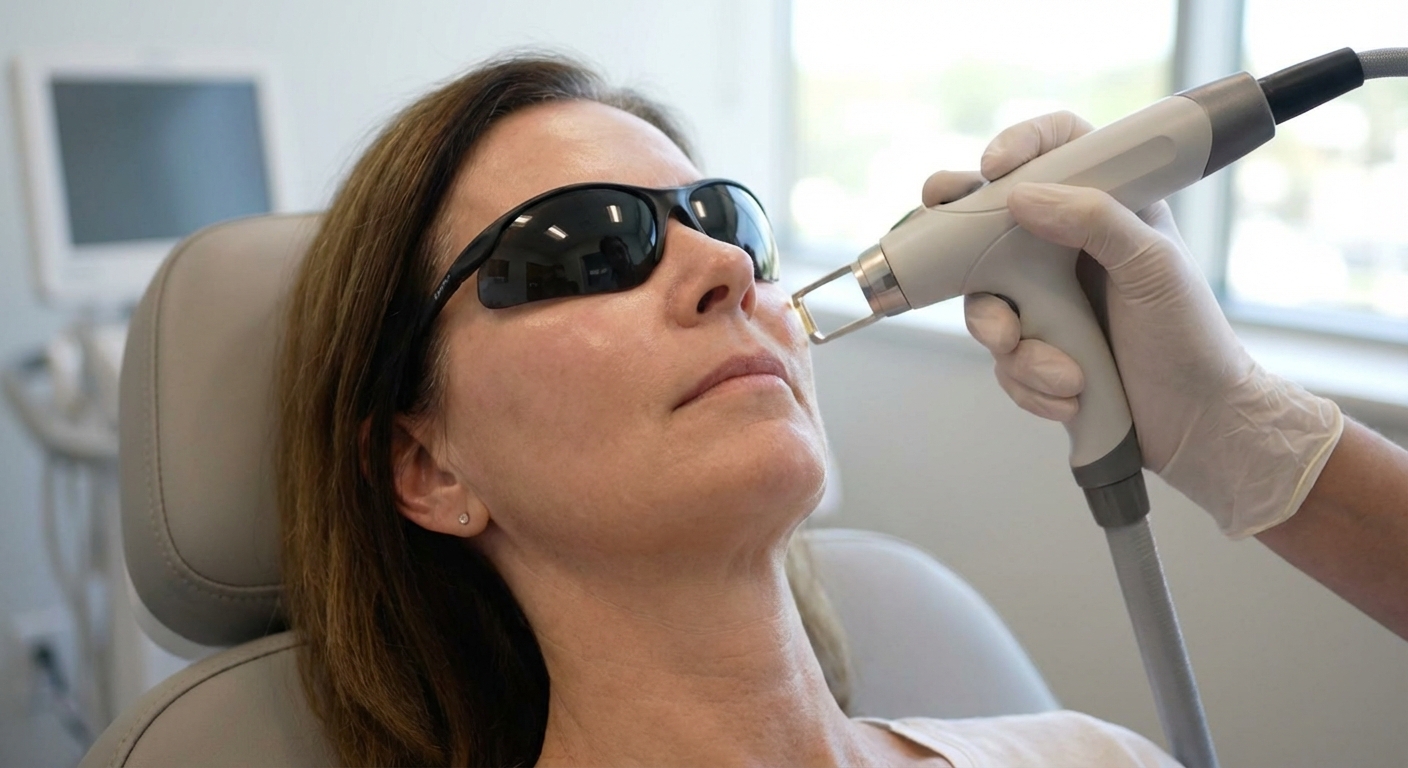
2. Energy-Based Lifting: Ultrasound & Radiofrequency
This is where devices like Ultherapy, Morpheus8, and Thermage enter the chat.
#### Ultherapy (Microfocused Ultrasound)
Ultherapy uses focused ultrasound energy to heat deep tissue layers (including the SMAS, the same layer surgeons manipulate during a facelift), triggering collagen production.
When I tested this, I honestly thought I’d see nothing. For the first 6 weeks, I was almost annoyed… and then around month 3, I caught myself in good lighting and noticed my jawline looked a bit sharper, and my brow slightly more open.
What studies suggest:- A 2014 study in Journal of Drugs in Dermatology showed clinical improvement in skin laxity in many patients after Ultherapy, with effects building over 3–6 months.
- Non-invasive, no incisions
- No major downtime (I had mild tenderness for a couple of days)
- Can be uncomfortable during the procedure
- Results are subtle, not facelift-level
- Not everyone responds dramatically
#### Radiofrequency (RF) & RF Microneedling
Devices like Thermage (monopolar RF) or Morpheus8 (RF microneedling) use heat to tighten collagen and stimulate new collagen formation.
A dermatologist I trust described RF as: “Good for mild laxity and texture; not a substitute for a facelift, but great in your 30s–40s as prevention and soft lift.”
My experience: RF microneedling gave me the biggest boost in skin texture and pore size. The tightening was gentle, but I did feel like my lower face looked a bit firmer for several months.3. Thread Lifts
I remember watching a thread lift video and thinking: There’s no way that doesn’t hurt. Surprisingly, people I talked to said it was more weird than painful.
What it is:- Temporary dissolvable sutures (often PDO threads) are inserted under the skin and then pulled to physically lift tissues. They also stimulate collagen as they dissolve.
- Immediate lifting effect
- Lasts about 12–18 months for the visible lift; some collagen benefits may last longer
- More lift than just fillers or RF
- Minimally invasive
- Done in-office, usually under local anesthesia
- Bruising, swelling, and occasional puckering at entry points
- Not ideal for very heavy or very lax skin
- Results fade, and repeated lifts aren’t as powerful as one good surgical lift later
One facial plastic surgeon I spoke to was very blunt: “For the right patient, threads are great. But if someone needs a real facelift and keeps doing threads every year, they’re wasting money and time.”
The Gold Standard: Surgical Facelifts
When you hear “facelift” (rhytidectomy), this is it: the one procedure that genuinely relocates sagging facial structures instead of just plumping or heating them.
What Actually Happens in a Facelift
A modern facelift isn’t just skin pulling. Surgeons usually:
- Elevate and reposition the SMAS (superficial musculoaponeurotic system), the deeper support layer
- Remove or reposition fat pads
- Redrape and trim excess skin without over‑tightening
This is why a well-done facelift looks natural instead of “wind tunnel.”
There are variations:
- Mini facelift – smaller incisions, focuses mostly on jowls and lower face; shorter recovery
- Standard facelift – more extensive, addresses midface, jowls, and neck
- Deep plane facelift – works under the SMAS for more powerful, longer-lasting results when done by skilled surgeons
Who It’s Best For
From what I’ve seen (and heard from surgeons), facelifts are usually ideal for:
- Late 40s–70s with moderate to significant sagging
- People whose jowls and neck banding really bother them
- Those wanting long-lasting, structural change
The American Society of Plastic Surgeons reported over 160,000 facelift procedures in the U.S. in 2022, and they’re still considered the gold standard for a real, long-term lift.
Pros and Cons of a Surgical Facelift
Pros:- Dramatic and structural lifting
- Results often last 8–12 years (gravity keeps working, but you age from a “reset” point)
- Can be combined with neck lift, fat grafting, eyelid surgery for full-face harmony
- Surgery with anesthesia risks
- Real downtime: bruising, swelling, social downtime for 2–4 weeks in many cases
- Scars (usually hidden around ears and hairline but still there)
- Higher cost upfront
When I spoke to one woman in her 50s who’d had a deep plane facelift, her comment was: “I wish I hadn’t wasted so much on half-measures the five years before.” But I’ve also met people in their late 30s who absolutely didn’t need surgery yet and got fantastic results with fillers and RF.
How to Choose What’s Right For You
Here’s the framework I ended up using for myself (and yes, it involved a reality check):
- Assess your actual concern:
- Mild laxity and early jowling? Non-surgical options might be enough.
- Real sagging, neck bands, and deep folds? A facelift consultation is worth it.
- Match expectations to reality:
- If you want a TikTok filter in real life, no treatment will satisfy you.
- If you just want to look like a well-rested version of yourself, non-surgical may hit the sweet spot.
- Consult more than one expert:
- I booked two consultations: one with a dermatologist, one with a facial plastic surgeon. Hearing both perspectives helped a lot.
- Check credentials like a hawk:
- Board-certified dermatologists or plastic surgeons only
- Real before‑and‑afters
- Clear explanation of risks, not just the benefits
- Plan for maintenance:
- Non-surgical options: think of them as upkeep (every 6–24 months)
- Surgical facelift: big reset, then gentle maintenance with skincare and occasional non-surgical treatments
What Actually Worked For Me
For my own face, here’s where I landed:
- Daily SPF + tretinoin for long-term skin quality
- Very subtle filler in midface every 1–2 years
- RF microneedling once a year as a texture + mild tightening boost
Would I consider a facelift someday? Honestly, yes. But my goal right now is to delay needing one while still feeling like my outside reflects how energized I feel inside.
If you take anything from my deep dive, let it be this: marketing will always push the newest device as “a non-surgical facelift.” None of them truly are. But in the right hands, and with honest expectations, there’s a really thoughtful combination of tools that can help you feel more at home in your face—without losing what makes it yours.
Sources
- American Society of Plastic Surgeons – 2022 Plastic Surgery Statistics Report - Data on facelift prevalence and trends
- U.S. Food & Drug Administration – Dermal Fillers Risks and Considerations - Safety information on injectable fillers
- American Academy of Dermatology – How to Prevent Premature Skin Aging - Lifestyle and skincare factors affecting skin aging
- Mayo Clinic – Facelift (Rhytidectomy) - Overview of facelift procedure, risks, and recovery
- Cleveland Clinic – Ultherapy - Explanation of ultrasound-based skin tightening