Makeup Essentials for Everyday Wear and Evening Looks
testing launches, talking to makeup artists backstage, and—honestly—ruining a lot of looks along the way. What I’ve learned: you can do almost anything with a tight little kit of essentials, as long as you know how to dial them up and down.
This is the exact approach I use when I go from laptop days to late-night dinners: same core products, different techniques.
Start with Skin: The Canvas That Decides Everything
In my experience, 70% of your makeup looking good is just…skin prep. When I rush this step, my foundation pills, my concealer creases, and my highlighter looks like a weird stripe.
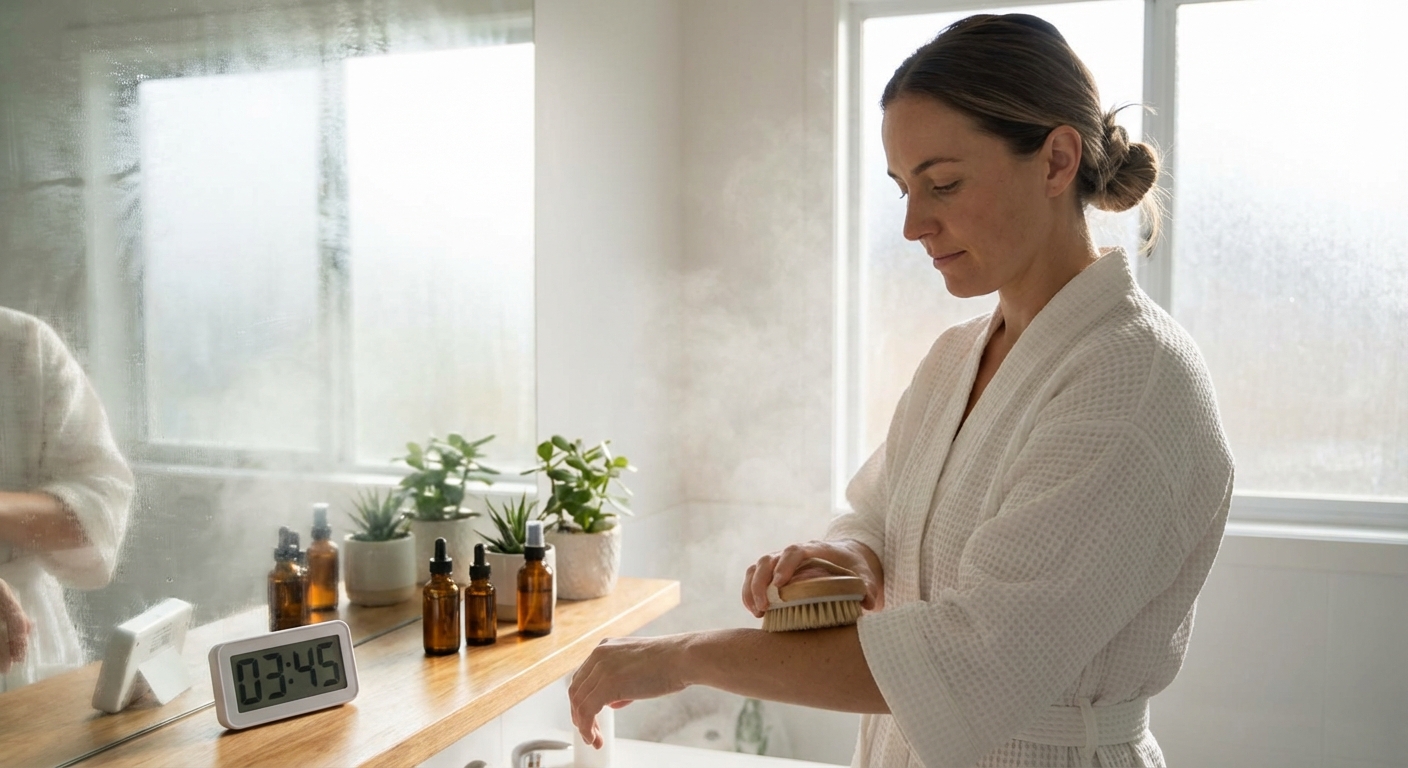
For everyday wear, I keep it simple: a gentle cleanse, a hydrating serum, and a lightweight moisturizer with SPF 30 or higher. The American Academy of Dermatology recommends broad-spectrum SPF every day to protect from UVA and UVB damage, which also helps slow visible aging and hyperpigmentation over time.
When I tested skipping moisturizer under foundation (because I thought my combo skin was “too oily”), my makeup clung to dry patches and separated around my nose by lunchtime. Once I added a light, non-comedogenic moisturizer, my base started lasting until evening without that crusty, cakey look.
Day vs. Night tweak:- Day: Hydrating, non-greasy moisturizer + SPF. Soft, plump, and fresh.
- Evening: I’ll sometimes switch to a slightly richer cream and skip SPF if I’m heading out late, so my base sits more smoothly and photographs better.
Base Essentials: Foundation, Concealer, and the “Your-Skin-But-Better” Trick
I used to cake on full-coverage foundation because I thought that was the only way to look “done.” Every photo from that era features my neck and face in two different shades. Not cute.
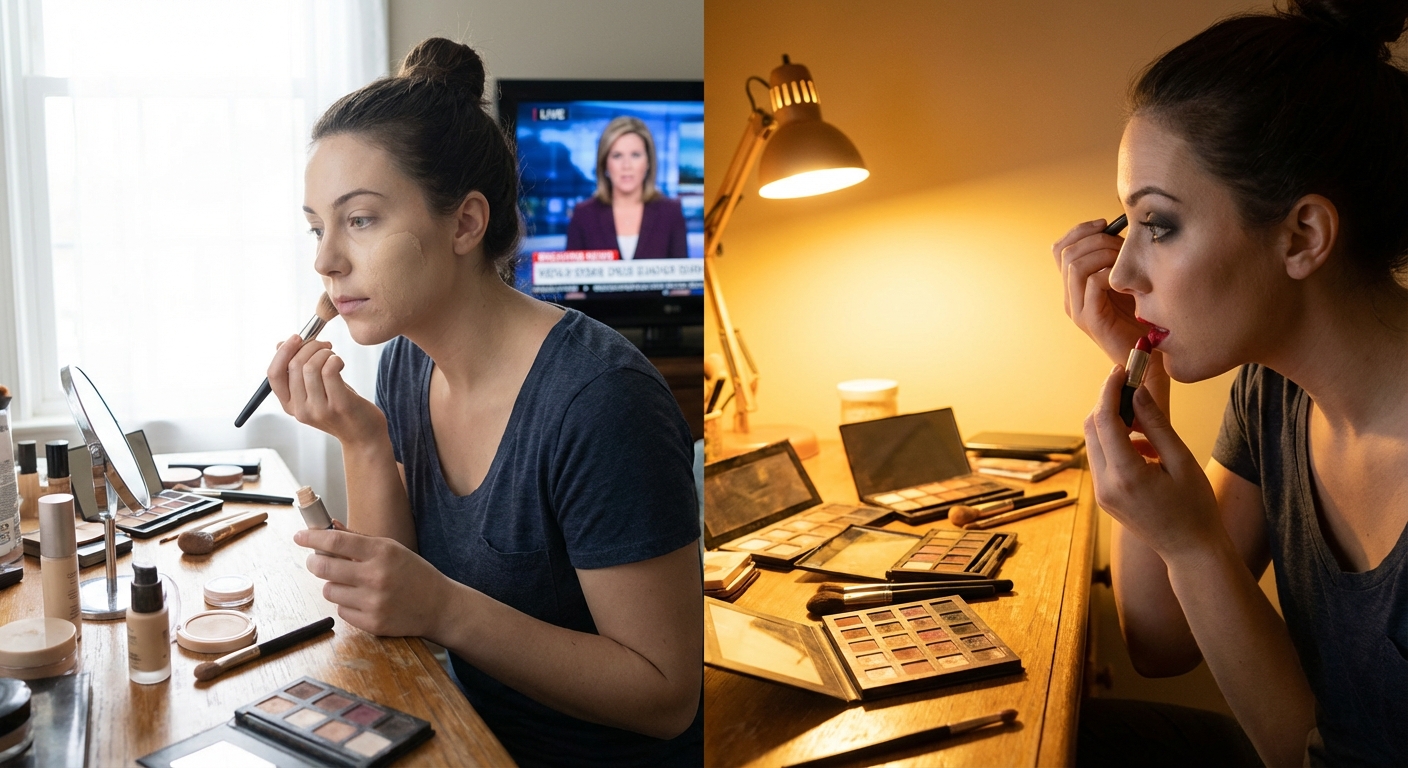
Everyday Base
For daytime, my go-to combo is:
- Sheer or light-coverage foundation / skin tint: something with a natural or satin finish. These let your real skin show through, which almost always looks more expensive in real life.
- Spot concealing: instead of blanketing the whole face, I tap a medium-coverage concealer on redness around the nose, under-eye darkness, and the occasional breakout.
Dermatologist Dr. Shari Marchbein has mentioned in interviews that lighter base textures tend to crease less and look more skin-like over time, which matches exactly what I’ve found. Heavy formulas might look flawless in the first 15 minutes, but the longer you wear them, the more they betray you.
Evening Upgrade
For night, I don’t necessarily reach for “full coverage.” Instead, I:
- Use the same foundation but apply with a damp sponge for more coverage.
- Layer a touch of color-corrector (a peach or salmon tone) under my under-eye concealer to counteract shadows. When I tested this before a wedding, multiple friends asked if I’d slept 10 hours. I absolutely had not.
- Add a tiny bit of concealer around the mouth and between the brows to even out any natural darkness that can read as “tired” under strong lighting.
- Sheer bases: more forgiving, look real, but won’t fully cover acne or strong discoloration.
- Full coverage: great for events and flash photography, but heavy formulas can emphasize texture and fine lines.
Brows: The Quiet Game-Changer
I didn’t take brows seriously until a makeup artist on a shoot gently filled in one of mine and left the other bare so I could compare. That one small change made my face look lifted and more awake.
For everyday wear, I stick to:
- A fine-tip brow pencil to sketch in hair-like strokes where my brows are sparse.
- A clear or tinted brow gel to hold them in place.
For evening looks, I’ll:
- Intensify the tail slightly.
- Use a tinted gel to add more volume and definition.
One tip I learned the hard way: don’t dramatically over-darken your brows for night unless that’s intentionally your aesthetic. Under restaurant or bar lighting, super severe brows can look harsh, while a softly defined shape just looks polished.
Eyes: From Quick Wash of Color to Full Glam
Eyes are where I transform my daytime face into an evening look the fastest. Same essentials, just different intensity.
Everyday Eyes
My functional three-step daytime eye:
- Neutral matte shadow in a shade slightly deeper than my skin tone, blended into the crease to add subtle depth.
- Soft shimmer or satin shadow on the lid for brightness.
- Brown mascara (or black-brown) for a softer, less “makeup-y” effect.
When I tested skipping shadow completely for a week, I noticed my eyes looked a bit flat on camera, even if my skin was perfect. A tiny bit of dimension in the crease makes a huge difference.
Evening Eyes
To turn this into an evening look, I don’t start over. I just add:
- Deeper matte shade at the outer corner and lower lash line for a soft smokey effect.
- Black or deep brown eyeliner at the lash line, smudged with a small brush for that lived-in glam.
- Extra coats of mascara or even individual lashes at the outer corners.
A 2017 study in the Quarterly Journal of Experimental Psychology found that defined eyes and lashes are strongly associated with perceived attractiveness and femininity in facial recognition tests. Translation: you don’t always need heavy foundation, but a little eye definition can seriously boost how put-together you look.
Trade-offs:- Heavy smokey eyes photograph beautifully but can migrate or smudge after a few hours, especially on oily lids.
- Lighter, tightlined eyes (liner just in the lash line) are more long-wearing and low-maintenance.
I always test a new mascara or liner on a low-stakes day first. One “waterproof” mascara I tried smudged all over my brow bone at the gym. That product is now only allowed out for two-hour dinners, max.
Cheeks: Blush, Bronzer, and the Glow Question
When I tested cream vs. powder cheek products over several months, I noticed a pattern: creams look fresher and more skin-like up close, while powders tend to last longer in heat or on oilier skin.
Everyday Cheeks
For daily wear, my essentials are:
- Cream blush in a neutral rosy or peachy tone.
- Subtle bronzer (cream or powder) to add warmth along the temples, cheekbones, and jawline.
- Soft highlighter or even just a luminous concealer on the high points.
I like to tap blush slightly higher on the cheekbones rather than only on the apples; it gives a subtle lifted effect, especially when you smile.
Evening Cheeks
For night, I do two tweaks:
- Add a bit more bronzer to sculpt and add dimension under strong indoor lighting.
- Switch to a slightly stronger highlighter, but I keep it targeted—tops of cheekbones, brow bone, and inner corners of the eyes.
Downside of the “Instagram glow” you see everywhere: heavy metallic highlight can emphasize texture, pores, and fine lines. In real life, a creamy, diffused glow usually looks more flattering than a blinding stripe.
Lips: The Fastest Way to Shift from Day to Night
I’ve timed this: I can go from “office neutral” to “evening glam” in under 60 seconds just by changing my lip.
Everyday Lips
For daytime, I lean on:
- A tinted balm for hydration and a bit of color.
- Or a soft cream lipstick close to my natural lip shade.
Dermatology sources consistently recommend using lip products with occlusive or emollient ingredients (like shea butter, petrolatum, or certain oils) to help prevent dryness and chapping, especially if you’re in air conditioning all day.
Evening Lips
At night, I’ll:
- Add a lip liner slightly deeper than my natural lip tone to reshape and define.
- Go for a bolder shade—classic red, berry, or a deeper nude—for instant drama.
Pros and cons I’ve noticed:
- Matte liquid lipsticks:
- Pros: incredible staying power, minimal transfer.
- Cons: can be drying and emphasize lip lines; uncomfortable for long wear.
- Cream/satin bullets:
- Pros: comfortable, easy to reapply, forgiving.
- Cons: more transfer, need touch-ups.
My personal hack: for a long event, I apply a creamy lipstick, blot, then lightly tap a matching powder blush over the top. It turns semi-matte and lasts way longer without feeling super dry.
Setting and Longevity: Make It Last Without Looking Cakey
The best everyday and evening looks share one thing: they survive reality—heat, humidity, commutes, dancing, talking, eating.
When I tested wearing full setting powder vs. strategic powder, the difference was huge. Full-face baking (that heavy, all-over technique) made me look flat and 10 years older by midday. Now I:
- Set only where I need it: T-zone, under the eyes, sides of the nose, and smile lines.
- Use a finely milled translucent powder with a small brush, not a puff, for daytime.
For evening or big events:
- I’ll add a long-wear setting spray to mesh the layers together and reduce any powdery look.
Research on makeup and skin health (including summaries from the FDA and dermatology associations) suggests that as long as you remove your makeup properly at night with a gentle cleanser and avoid comedogenic formulas that aggravate your skin type, wearing makeup regularly doesn’t inherently damage skin. What does? Sleeping in it. I’ve done that “just this once” and woken up with clogged pores more times than I want to admit.
Building a Minimal Kit That Works for Both Day and Night
If you stripped my stash and forced me to keep only true essentials that work for both everyday wear and evening looks, here’s what would survive:
- A hydrating moisturizer + SPF
- A light-to-medium coverage foundation or skin tint
- A creamy concealer
- A brow pencil + brow gel
- A small neutral eyeshadow quad (matte crease shade, deeper liner shade, soft shimmer, and a highlight)
- Brown/black eyeliner
- Mascara
- Cream blush that can double as a lip color
- Bronzer
- A subtle highlighter
- A nude/MLBB lipstick and one statement shade (red or berry)
- A lightweight setting powder and setting spray
With just those, I can do a 5-minute fresh face for errands, a polished office look, or a full evening glam with smokey eyes and bold lips.
I’ve cycled through countless launches, trends, and “must-haves,” but these core categories are the ones I keep buying, testing, and refining. When you focus on getting these essentials right—and learning how to dial them up and down—you don’t need a viral product in your cart every week to look and feel put-together.
Sources
- American Academy of Dermatology – Sunscreen FAQs - Evidence-based guidance on daily SPF use and skin protection.
- U.S. Food & Drug Administration – Cosmetics Regulations - Official information on cosmetic products and safety oversight.
- Quarterly Journal of Experimental Psychology – Cosmetics and Facial Attractiveness Study - Research on how makeup alters perceived attractiveness.
- Harvard Health Publishing – Skin Care Basics - Dermatologist-backed advice on skin care and its relationship to appearance.
- Mayo Clinic – Chapped Lips: Care Tips - Medical overview of lip health and effective ingredients for prevention.