Modern Bungalow Design Ideas: Layouts, Porches, and Exterior Details
alk to my neighbor over the rail without yelling. Ever since, I’ve been borderline obsessed with modern bungalow design—especially how to keep that cozy charm and make it work for how we live now.
Over the last few years, I’ve toured dozens of remodels, walked new-build bungalow communities with architects, and made more Pinterest boards than I’d like to admit. When I tested some of these design ideas on my own small home, I saw exactly what worked… and what looked better on Instagram than in real life.
Let’s dig into the layouts, porches, and exterior details that actually make a modern bungalow feel stylish, functional, and lived in—not like a movie set.
Smart Modern Bungalow Layouts That Actually Work
1. Open-ish concept (not totally open)
When I first remodeled, I thought I wanted a fully open plan. RIP to that idea.
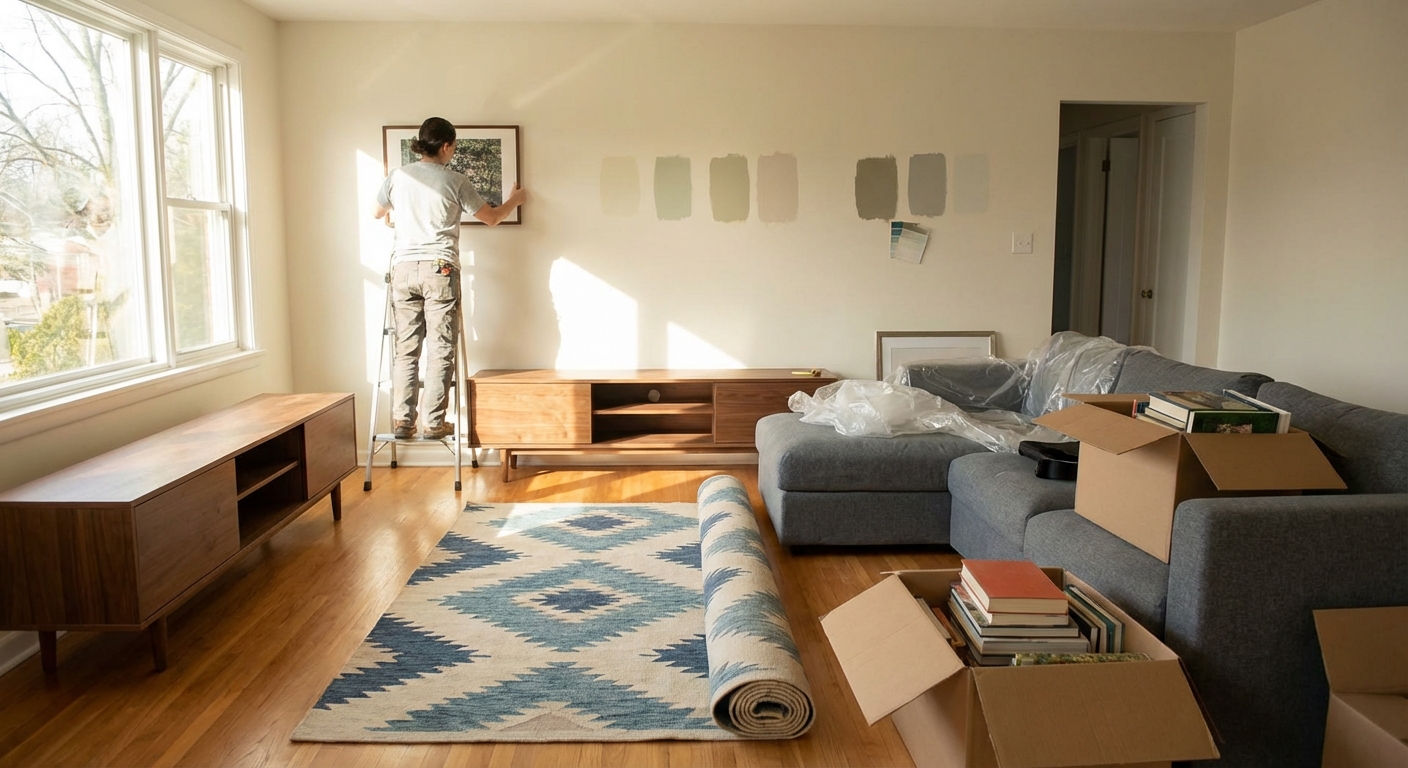
In my experience, bungalows work best with what one architect friend called an “open-ish” layout: sight lines are clear, but you still have partial walls, cased openings, or built-ins to zone the space.
What’s working in real projects I’ve seen:- Kitchen + dining combined, with a generous cased opening to the living room, instead of one giant rectangle
- Half walls with columns or bookcases between living and dining, keeping that classic bungalow look
- Continuous flooring (like 5–7" white oak planks) to visually connect spaces even when there are subtle separations
- Feels airy and larger without losing coziness
- Easier to hide kitchen mess from guests
- Better sound control than one massive open room
- You have to be more intentional about furniture placement
- Fewer giant walls for oversized art or TV installations
According to data from the National Association of Home Builders (NAHB), smaller homes are trending back up in popularity since about 2018, with buyers prioritizing "efficient layouts" over sheer square footage. Bungalows are perfectly positioned for that trend.
2. Bedroom and bathroom placement that feels grown-up
Older bungalows often have quirky layouts: bedrooms opening off the living room, tiny hallways, doors everywhere. Charming… until someone tries to sleep.
When I walked a recent 1,400 sq ft new-build bungalow, the layout that impressed me most was simple:
- Living / kitchen at the front
- A short, wide hallway (not a tunnel) in the middle
- Primary suite at the very back for privacy
- Two smaller bedrooms sharing a hall bath
If you’re remodeling, even shifting one doorway or stealing 2–3 feet from a secondary bedroom to give the primary a proper closet can completely change how “modern” the whole house feels.
3. Functional storage without weird add-ons
I learned this the hard way: tacking on a random closet in the living room just makes the house feel like it’s wearing a backpack.
Better moves I’ve seen work in real life:
- Built-in bench + hooks in a small entry niche or side door
- Tall pantry cabinet walls in the kitchen instead of uppers everywhere
- Under-stair storage if your bungalow has even a partial second story or raised foundation
Architects I’ve talked to aim for roughly 10–15% of total square footage as storage in smaller homes. Less than that and daily life starts to spill everywhere.
Porches: The Soul of a Bungalow (Modern Edition)
If the layout is the brain of a bungalow, the porch is its soul.
I recently spent a week staying in a 1920s bungalow that had been updated with a modern porch, and that’s where everyone naturally migrated—morning coffee, laptop time, late-night wine, all of it.
1. Deep, usable front porches
A too-narrow porch is a very expensive shelf.
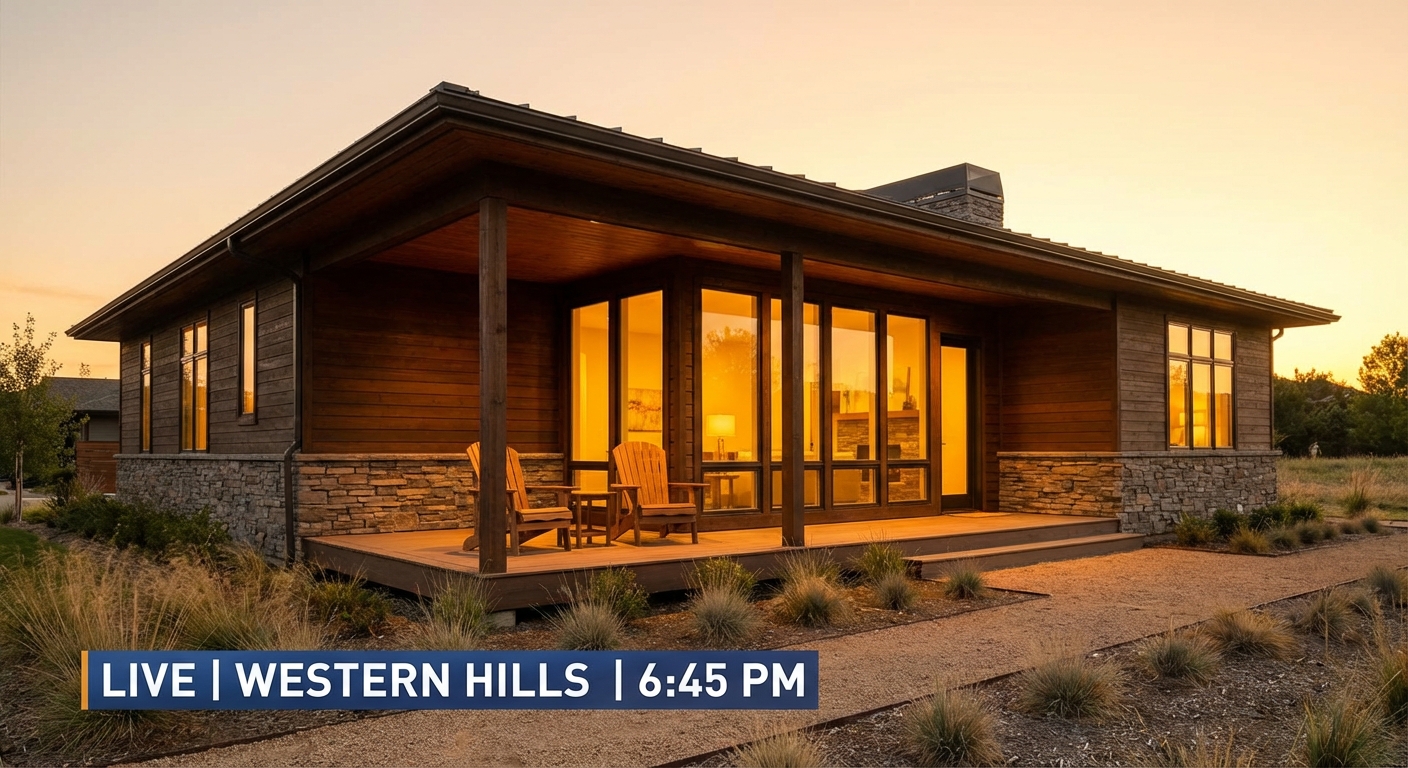
For actual usability, I’ve found a depth of at least 7–8 feet works. Anything less and chairs feel like they’re half on, half off the house.
Modern twists that still respect the bungalow vibe:
- Simple, chunky square columns instead of fussy turned posts
- Horizontal cable or metal railings for a slightly contemporary look
- Stained wood ceilings (like tongue-and-groove cedar) to warm up a simple façade
Several designers I’ve interviewed say they’re seeing buyers prioritize outdoor living as much as interior upgrades. A 2023 Houzz survey, for instance, reported continued interest in covered outdoor spaces and front yard seating areas.
2. Wraparound and side porches for narrow lots
On skinny city lots, I’ve seen some clever moves:
- A side porch running along the driveway side, accessed from the kitchen or dining
- A partial wraparound that connects front and side, doubling usable outdoor space without a massive deck out back
When I tested a side porch layout in a 30 ft–wide lot, it instantly made the home feel more private and less like it was pressed against the sidewalk.
3. Back porches that feel like an extension of the living room
If your climate allows it, a covered rear porch with:
- Wide sliders or French doors from the living room
- Matching flooring tones (e.g., warm wood inside, composite decking in a similar color outside)
can visually add “another room” to a small bungalow without adding a single square foot.
The downside: bugs, weather, and maintenance. Where I live, screening at least part of the porch has been a sanity saver, but screens can slightly darken the adjacent room. Trade-offs are real.
Exterior Details That Make a Bungalow Feel Fresh, Not Fake
1. Rooflines and overhangs
One thing I notice instantly on new-build “bungalows” is roof stinginess. Traditional bungalows often have:
- Low-pitched roofs
- Deep eaves
- Exposed rafter tails or decorative brackets
When builders skip those, the house can look oddly generic.
Modern updates that still nod to tradition:
- Clean fascia boards with simple, squared-off rafter tails
- Slightly less exaggerated eaves but still enough for shadow lines and protection
- Darker roof colors (charcoal, warm black) to ground a light exterior
Energy-wise, deeper overhangs also help shade windows. The U.S. Department of Energy specifically recommends using roof overhangs and awnings for passive cooling in many climates.
2. Siding: mixing textures without going full circus
I tested three siding combinations on one project (digitally, thank god), and the winning formula was surprisingly restrained:
- Main body: horizontal lap siding or fiber cement boards
- Gables: shingle or vertical board-and-batten
- Accents: smooth paneling around the entry
The key is limiting it to 2–3 materials max. More than that and it starts feeling like a builder-grade mashup.
Color-wise, the schemes I see aging best:
- Warm whites with black or bronze windows
- Soft greens or grays with natural wood accents
- Deep navy or charcoal with crisp white trim
Beware of trendy colors that might date quickly. I still have flashbacks to that 2016 "greige everything" wave.
3. Windows and doors: modern, but in proportion
In my experience, window proportion can make or break a bungalow façade.
What tends to work:
- Taller-than-wide windows on the front elevation, often paired
- A larger picture window flanked by two operable windows in the living room
- Grilles (muntins) that subtly reference Craftsman patterns, but not overly fussy
Going ultra-modern with giant floor-to-ceiling glass can look fantastic on the back, but on the front it often clashes with the cozy bungalow language.
For doors, I’m a fan of:
- Solid wood or wood-look fiberglass with a simple glass panel
- Side lights if space allows, to avoid a dark entry
- Bold but classic colors: deep teal, brick red, almost-black green
Materials and Details That Feel Good to Live With
1. Low-maintenance that doesn’t feel lifeless
When I tested different exterior materials on my own home, I learned fast what aged well:
- Fiber cement siding held paint better than the old wood cladding
- Composite decking on the porch meant I wasn’t sanding and staining every other year
- Metal porch railings outlasted even pressure-treated wood in my climate
The trade-off is that some synthetics can feel a bit too perfect. Pairing them with one or two natural materials—like a real wood door or cedar porch ceiling—keeps the house from looking plastic.
2. Landscaping that matches the scale
Tiny house, massive landscaping just looks… off.
What I’ve seen work best around modern bungalows:
- Low, layered plantings in front—think ornamental grasses, small shrubs, and perennials instead of tall hedges
- A defined front path (pavers, stepping stones, or a simple concrete walk) that makes the porch feel like an intentional destination
- One or two small ornamental trees (Japanese maple, serviceberry) instead of huge shade trees right at the foundation
The Environmental Protection Agency (EPA) also points out that smart landscape design can improve energy efficiency—shade trees on the west side, for example, can reduce cooling needs.
What I’d Absolutely Do (and Avoid) on a Modern Bungalow
After walking, sketching, and occasionally regretting a few choices, here’s where I’ve landed:
I’d definitely do:- An open-ish layout with defined zones instead of one giant box
- A real, usable porch at least 7–8 feet deep
- Simple but thoughtful roof overhangs and window proportions
- A restrained exterior material palette with one warm accent
- Hyper-trendy colors or materials that scream a specific year
- Giant blank garage doors dominating the front façade
- Overly skinny porches that look cute in renderings but can’t fit a chair
- Slapping on fake Craftsman brackets with no structural logic
Modern bungalows don’t have to be museum-perfect replicas or stark glass boxes. The sweet spot, at least from what I’ve seen in person, is a house that feels friendly from the street, flows logically inside, and gives you a porch you actually use—not just photograph.
If you’re planning one (or fixing up the one you’ve got), start at eye level: the way the porch feels under your feet, the way the layout handles noisy mornings, the way the exterior materials look on a rainy day. That’s where the real magic of a modern bungalow lives.
Sources
- National Association of Home Builders – New Homes Feature Smaller Lots, More Amenities - Data on home size and layout trends
- U.S. Department of Energy – Energy Saver: Landscaping for Energy-Efficient Homes - Guidance on how exterior design and landscaping affect efficiency
- U.S. Department of Energy – Energy Saver: Cool Roofs - Information on roof choices and home performance
- Houzz – 2023 U.S. Home Design Trends Study - Insights into homeowner priorities like outdoor living and layouts
- University of Kentucky – Bungalow Housing Style - Background on classic bungalow characteristics