Old Navy Apparel Guide
tly stress‑testing Old Navy’s racks for years—grabbing the viral pieces, washing them, shrinking them (oops), returning them, re‑buying them in tall—and I’ve finally organized my chaos into a guide.
This isn’t a generic “they have cute basics” overview. I’ll walk through fits, fabrics, sizing quirks, what actually holds up after 10+ washes, and what I avoid now, based on experience.
How Old Navy Fits Actually Run (From Someone Who’s Returned Too Much)
In my experience, Old Navy has three broad fit categories:
- Everyday basics (tees, tanks, hoodies) – often true to size but slightly relaxed.
- Work/“elevated” pieces (pixie pants, blazers, blouses) – can run a half size small, especially at the waist.
- Denim & activewear – the wild west; you have to know the fabric mix.
I wear between a M and L in most brands. At Old Navy:
- T‑shirts & tanks: I usually grab a M for a regular fit, L for a slightly oversized look.
- Pixie pants & pull‑on trousers: I size up one, especially if they’re not super stretchy.
- Denim: I own the same Old Navy size in three different cuts and they all fit differently. When I tested the Extra High-Waisted Sky-Hi Straight Jeans, I ordered my usual size and a size up—my usual size zipped, but the size up let me breathe and sit.
Old Navy officially says they design for “real bodies” and emphasize inclusive sizing (women’s 0–30, plus petite, tall, and maternity). Gap Inc. has public sizing and inclusivity commitments in its corporate reports, which tracks with what I’ve seen in‑store: petite, tall, and plus are no longer an afterthought shoved in a hidden corner.
But here’s the catch I’ve noticed: lengths.
- I’m around 5'6". Their regular inseam jeans hit my ankle perfectly.
- The short inseam was visibly cropped on me.
- The tall basically turned into low‑key puddle pants (which, honestly, I didn’t hate with sneakers).
If you’re under 5'3" or over 5'9", it’s worth using their inseam chart on the product page instead of guessing. When I actually matched the inseam to jeans I already owned, my returns dropped fast.
Tops & Tees: What’s Worth Grabbing in Multiples
I recently did a very scientific test (read: impulse haul) of their best‑selling tops. I washed everything on warm, tumbled dry on low, and wore them on repeat.
Tops that earned permanent-rotation status
- Vintage-style crewneck tees (cotton or cotton-modal blend): These are my MVPs. The 100% cotton versions softened after 2–3 washes without twisting at the seams. The neckline held its shape better than a lot of pricier brands I’ve tried.
- Ribbed tanks: I wear these under blazers, as pajama tops, and to the gym when all my “real” workout tanks are dirty. The ribbing hides bra lines and holds up surprisingly well.
When I tested a black ribbed tank against a more expensive one from a boutique brand, the Old Navy one faded slightly faster after 10 washes, but the shape and stretch held better. So yes, color fades a bit, but you don’t get that sad, stretched-out hem.
The stuff I’m pickier about
- Lightweight fashion tees with prints or burnout fabric: Cute, but these are where I see pilling and tiny holes near the hem first, especially if I tumble dry.
- White tees: They’re fine, but I’ve had some become slightly see-through after several washes. If you want opaque white, look for 100% cotton and avoid anything labeled “slub” or “lightweight”.
Denim: The Good, The Stretchy, and The Surprising
Denim is where Old Navy has quietly gotten much better over the last few years. I remember the era when everything was ultra‑stretch and saggy by lunchtime. I don’t miss it.
Recently, I tested three styles side‑by‑side:
- Extra High-Waisted Sky-Hi Straight Jeans
- OG Straight High-Waisted Jeans
- Power Slim Straight (with sculpting technology)
What impressed me
- Rise & comfort: Their extra‑high rise is genuinely high. On my mid‑length torso, it hits above the belly button, which is great for a tucked tee and not having to readjust every time I sit.
- Fabric tech: Anything labeled with “Never-Quit” or “PowerSoft” usually has a decent recovery. That means you can sit cross‑legged, stand up, and not have your waistband suddenly two inches bigger.
Old Navy and Gap Inc. have talked publicly about improving fabric recovery and durability in denim through their Washwell program, which also focuses on reducing water usage in finishing processes. That lines up with what I’ve seen: my newer pairs sag way less than ones I bought around 2016.
Downsides I’ve run into
- Inconsistent feel by wash: The exact same cut in a lighter wash often feels stretchier and looser than the dark wash. I treat each wash as its own fit.
- Raw hems: They look great, but they can fray more after a few washes. I’ve learned to trim them carefully or just choose a finished hem if I want “work appropriate.”
If you’re between sizes or your weight fluctuates, denim is where I strongly recommend ordering two sizes if you can swing it and returning one. The website’s reviews are surprisingly honest about whether a particular wash runs loose or tight.
Activewear & Loungewear: Where Old Navy Quietly Wins
When I first tried Old Navy’s PowerSoft leggings, I expected standard budget‑legging behavior: sliding down halfway through a workout and going transparent the second I squat. That’s not what happened.
Leggings & sports bras
- PowerSoft leggings: Soft, matte, and more compressive than I expected. I did a full leg‑day test in bright gym lighting (aka the truth-teller) and they stayed opaque.
- High-support sports bras: For high-impact, I still prefer specialty brands, but Old Navy’s high‑support bras work for me in dance cardio and running under 5k. Anything labeled medium support is best for walking or strength training.
Harvard Health and ACSM both note that proper support and performance fabrics can help reduce chafing and temperature discomfort during exercise. Old Navy isn’t “technical gear” on par with serious performance brands, but if you’re doing casual fitness a few days a week, their activewear hits that sweet spot of comfort and price.
Loungewear & joggers
I recently grabbed a set of their Sunday Sleep pajama pants and a fleece crewneck “just to see.” I’ve since worn them so often that my nicer loungewear is getting jealous.
Pros from my testing:
- The fleece joggers barely shrank after drying on low heat.
- Waistbands are wide enough that they don’t dig in during long Netflix marathons.
The only con is that some of the printed fleece can pill faster, especially on the inner thighs if you’re a power-walker like me. I’ve had much better luck with solid colors.
Workwear & “Put-Together but Chill” Outfits
Old Navy isn’t the first place people think of for work clothes, but I’ve slowly built a hybrid WFH/office wardrobe from there.
Pieces that look more expensive than they are
- Pixie pants & pull‑on trousers: When I tested these for a week of meetings, I paired them with blazers and loafers and no one guessed the price point. They have that smooth front that works well under shorter tops.
- Soft-spun cardigans & blazer‑style jackets: These drape nicely and don’t itch. The mid‑weight ones hold up better than the very lightweight knits, which can snag.
Where I see trade-offs
- Button-down shirts: You’ll find some great cuts, but many are a cotton‑poly blend that can trap heat more than 100% cotton. On very warm days, I reach for natural fibers from other brands.
- Structured blazers: They look good for the price, but they won’t have the same tailoring or lining quality as higher‑end brands. For everyday office wear, they’re fine; for a big presentation, I usually upgrade.
If you follow sustainability reports, you’ll know Gap Inc. has made public pledges around cotton sourcing and water conservation, but Old Navy still leans heavily on synthetics in “work” fabrics. If your skin is sensitive to polyester, check the fabric content carefully; I’ve returned a few blouses that felt plasticky by midday.
How to Shop Old Navy Smarter (So You Don’t End Up With Closet Clutter)
A few patterns I’ve noticed after too many orders and returns:
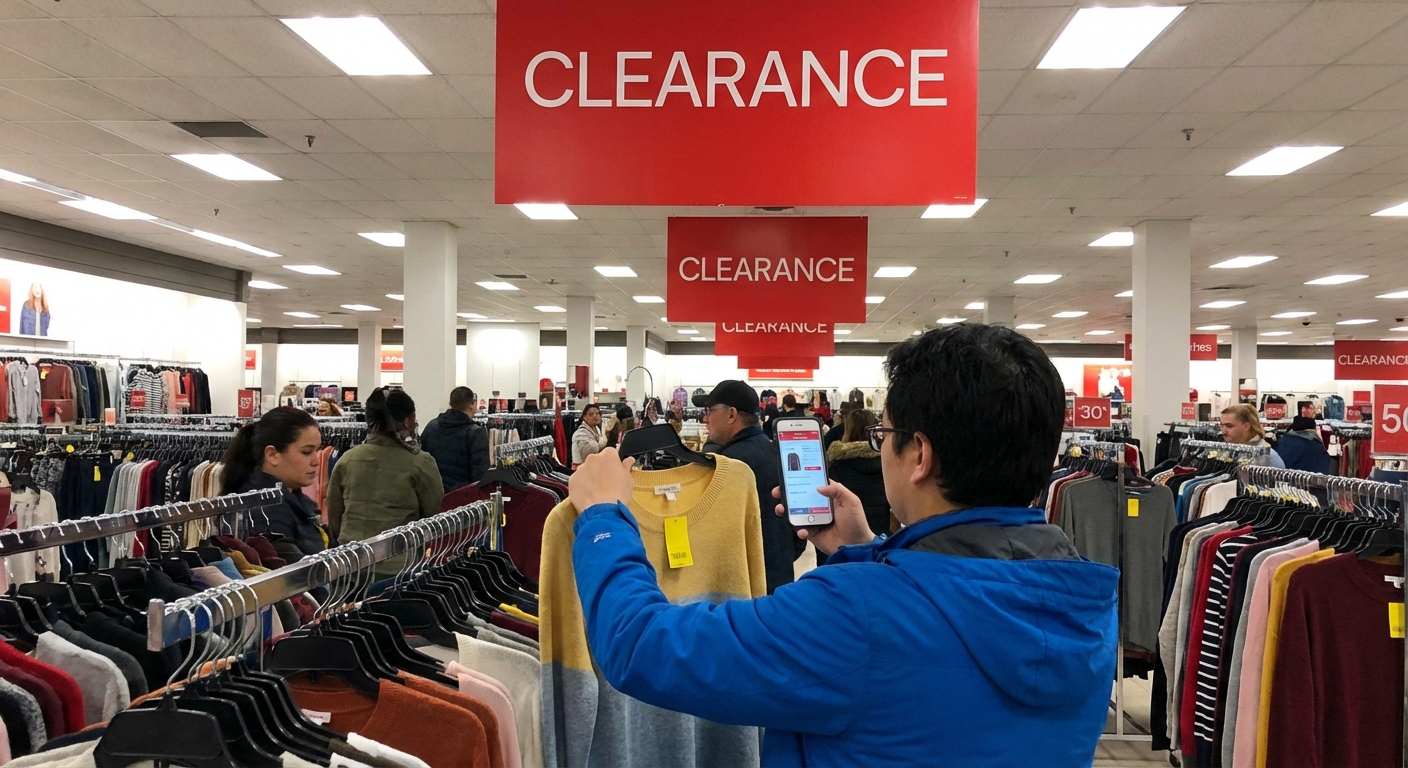
- Wait for sales, but don’t obsess: Old Navy runs frequent promos. I almost never pay full price, but if something is a core basic you’ll wear weekly, saving 10% by waiting might not be worth the risk of it selling out.
- Check fabric content before you fall in love: If I see over 70% polyester in something that touches my skin all day, I stop and think: “Am I okay being a little sweaty in this?” Sometimes the answer is yes, sometimes it’s nope.
- Read the 3-star reviews: People with 3‑star opinions are often the most specific. They’ll tell you, “Love the fit, hate the fabric,” or “Great but shrank in length.” That’s gold.
- Treat certain items as 1–2 season pieces: Trendy printed dresses, ultra‑light knits, and novelty holiday items won’t age as gracefully. I buy these assuming I’ll get a year or two of solid use, not forever.
I’ve also found the 30‑day return policy (sometimes extended around holidays) surprisingly painless, as long as I don’t let things sit in a bag by the door for three weeks—which, realistically, I do half the time.
Pros & Cons of Old Navy Apparel (From a Frequent Buyer)
What keeps me coming back:- Inclusive sizing and multiple lengths that actually exist in store and online
- Solid basics: tees, tanks, leggings, joggers, casual dresses
- Denim that has improved a lot in both fit and recovery
- Affordable work‑casual pieces that look good on Zoom and in real life
- Fabric quality on some lightweight knits and fashion tees
- Inconsistent fit between washes within the same style
- Synthetic-heavy blends in some workwear and blouses
- Certain trendy pieces that don’t have long-term durability
In my experience, Old Navy shines when you treat it as your source for everyday uniforms: the jeans you throw on without thinking, the tee that looks fine even when you’re half awake, the leggings that survive mystery stains. When I stick to that lane—and check the fabric content and reviews—it’s a ridiculously useful store.
Sources
- Old Navy Official Site – Women’s Clothing - Product ranges, size runs, and fabric content details
- Gap Inc. 2022 ESG Report - Corporate info on sustainability, water usage, and materials
- Harvard Health – Choosing Workout Clothes - Discussion of fabric, heat, and comfort in exercise
- U.S. Federal Trade Commission – Clothes & Textiles - Guidance on fabric labels, care, and what to look for as a consumer
- Forbes – The Enduring Appeal Of Old Navy - Overview of Old Navy’s positioning, price point, and consumer base