Room Decor Ideas for a Cozy, Functional Space
doubled as my office, gym, and occasional dining room. Spoiler: one throw blanket didn’t fix the chaos.
After a lot of trial and error (and way too many impulse buys that looked great on Instagram but not in real life), I’ve figured out a handful of room decor ideas that actually make a space feel both warm and seriously functional.
This isn’t about creating a magazine-perfect room. It’s about making a space you actually live in—where you can work, relax, entertain, and crash without tripping over your own stuff.
Start With a Cozy-Functional Layout (Before You Buy Anything)
When I finally stopped rearranging my furniture at midnight and sat down with a measuring tape, everything changed.
Map your “zones”
I like to think of a room in activity zones instead of just where furniture fits:
- Rest zone – bed or sofa, soft lighting, minimal visual clutter
- Focus zone – desk or small table, task lighting, outlet access
- Storage zone – shelves, dresser, baskets, closet
- Flex zone – a chair you can swivel, a floor cushion, a nesting table
When I tested this in my small living room, I shifted my sofa so it faced the window instead of the TV. That one change made the room feel bigger and gave me a separate “focus corner” for my laptop.
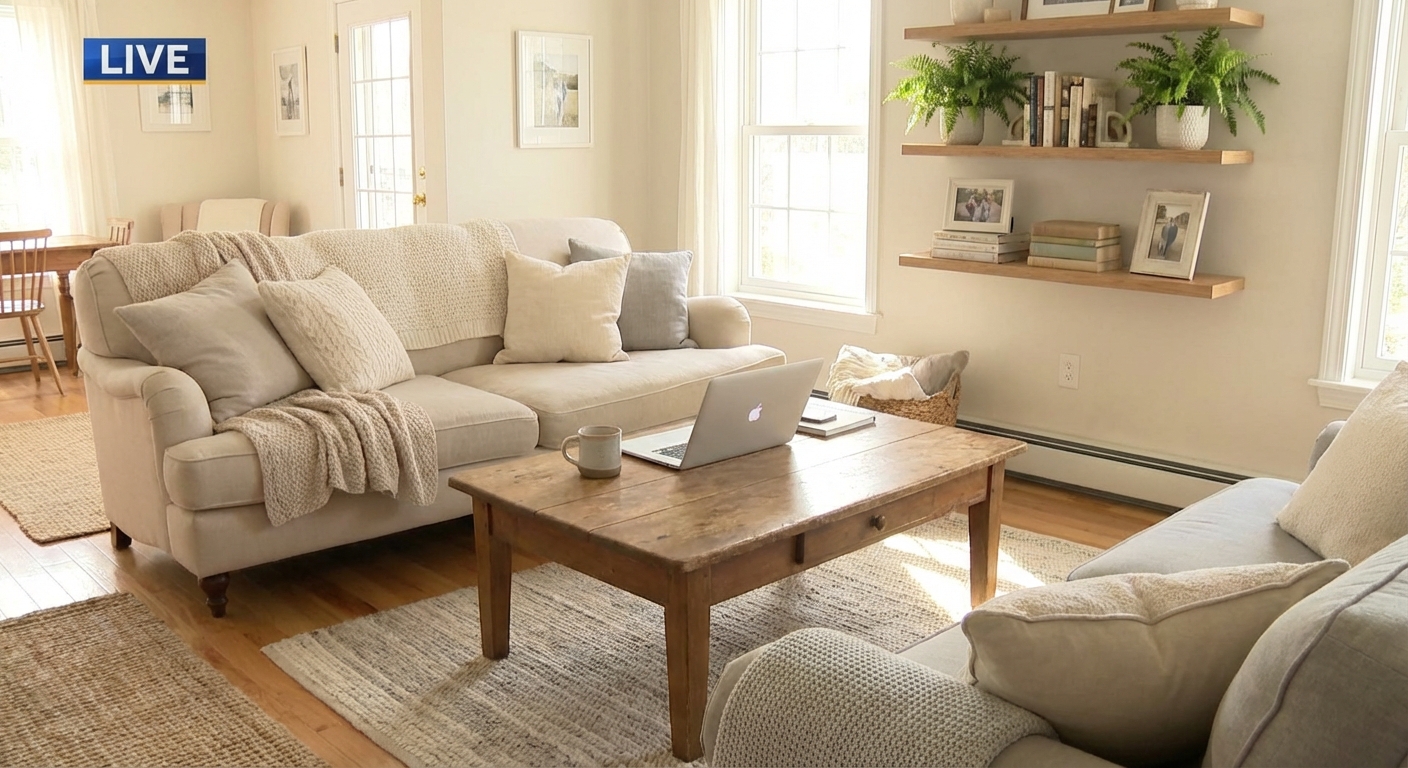
There’s research backing this up: a 2022 paper in Frontiers in Psychology found that organized, well-defined spaces are linked to lower stress and better cognitive function. Cluttered, undefined spaces do the opposite.
What to try: sketch your room on paper, mark where light outlets and windows are, and group furniture by activity, not by walls.Warm Lighting Is 80% of the Cozy Feeling
When I swapped my harsh overhead bulb for warm-toned lamps, my room instantly felt like a different apartment. Same furniture, new mood.
Layer your light sources
Design pros talk about three layers of lighting:
- Ambient – general light (ceiling lights, larger lamps)
- Task – desk lamps, reading lights, under-cabinet lighting
- Accent – string lights, candles, picture lights
In my experience, temperature matters as much as brightness. I aim for bulbs around 2700K–3000K for living/bedroom spaces—that’s the cozy, warm range, not the blue-ish office light.
When I tested smart bulbs for the first time, I set a “wind down” scene at 40% brightness, warm white. My sleep routine improved noticeably within a week. The CDC and NIH both highlight how blue light in the evening disrupts circadian rhythm; warm, dim light helps your brain get the “time for bed” memo.
Pros:- Inexpensive, high-impact change
- Flexible (you can adjust mood quickly)
- Too many accent lights can feel cluttered
- Smart bulbs sometimes need fiddly apps or hubs
Use Texture Like a Designer, Not Just More Stuff
One of my biggest mistakes early on was thinking “cozy” meant “add more pillows.” Suddenly my bed looked like a hotel and felt like a wrestling match.
What actually works is texture variety, not just quantity.
Mix 3–4 textures, max
Here’s a combo that’s worked in almost every room I’ve styled:
- Something chunky – knit throw, bouclé pillow
- Something smooth – cotton or linen duvet, sleek lamp base
- Something natural – wood tray, rattan basket, jute rug
- Something soft – velvet or brushed cotton cushion
When I tested swapping my flat-woven rug for a low-pile, slightly plush one, the room immediately felt warmer—even though the color was the same.
Harvard’s Center on the Developing Child actually talks about how tactile variety can impact comfort and emotional response. We’re wired to respond to materials differently—natural and soft textures often feel safer and more soothing.
Watch out for:- Too many heavy textures in a tiny room can feel stuffy
- High-pile rugs are cozy but annoying with pets and crumbs
Smart Storage That Doesn’t Look Like Storage
I’m firmly anti-ugly-storage-box. Function is critical, but visual calm is just as important for a cozy space.
When I finally invested in closed storage—drawers instead of open shelves for everything—it changed how the room felt, not just how it looked.
My go-to hidden storage ideas
- Ottomans with lids – I keep extra blankets and board games in mine
- Bed with drawers – transformed my “where do I put sheets?” problem
- Basket hierarchy – big baskets for blankets, smaller for remotes and chargers
- Vertical storage – wall-mounted shelves above eye level for the “not pretty” stuff
The National Association of Professional Organizers (NAPO) cites that decluttering can reduce time spent looking for items and improve day-to-day efficiency. I didn’t need a study to tell me that, but it’s reassuring to know the stress relief isn’t just in my head.
Pros:- Makes cleaning way faster
- Room looks calmer without daily effort
- Closed storage can become “junk drawers” if you never sort
- Some storage furniture is overpriced for what’s basically a box
Color: Cozy Doesn’t Have to Mean Beige
When I first painted a room dark, I was convinced I’d ruined it. Then I brought in the right lighting and fabrics and it became the coziest room I’ve ever had.
A simple color formula that rarely fails
What’s worked best for me is a 60–30–10 rule:
- 60% – main color (walls, big rug, large furniture)
- 30% – secondary color (curtains, bedding, accent chairs)
- 10% – accent color (pillows, art, vases)
For a cozy-functional vibe, I lean toward:
- Warm neutrals: soft taupe, greige, warm white
- Desaturated colors: dusty blue, sage green, muted terracotta
There’s solid research here too: color psychology studies (like those summarized by the University of Toronto) show blues and greens can promote calm and concentration, while extremely saturated reds can increase arousal and even anxiety.
If you’re renting or color-shy, I’ve had good luck using color in textiles and art instead of paint: duvet cover, curtains, and one large piece above the bed or sofa.
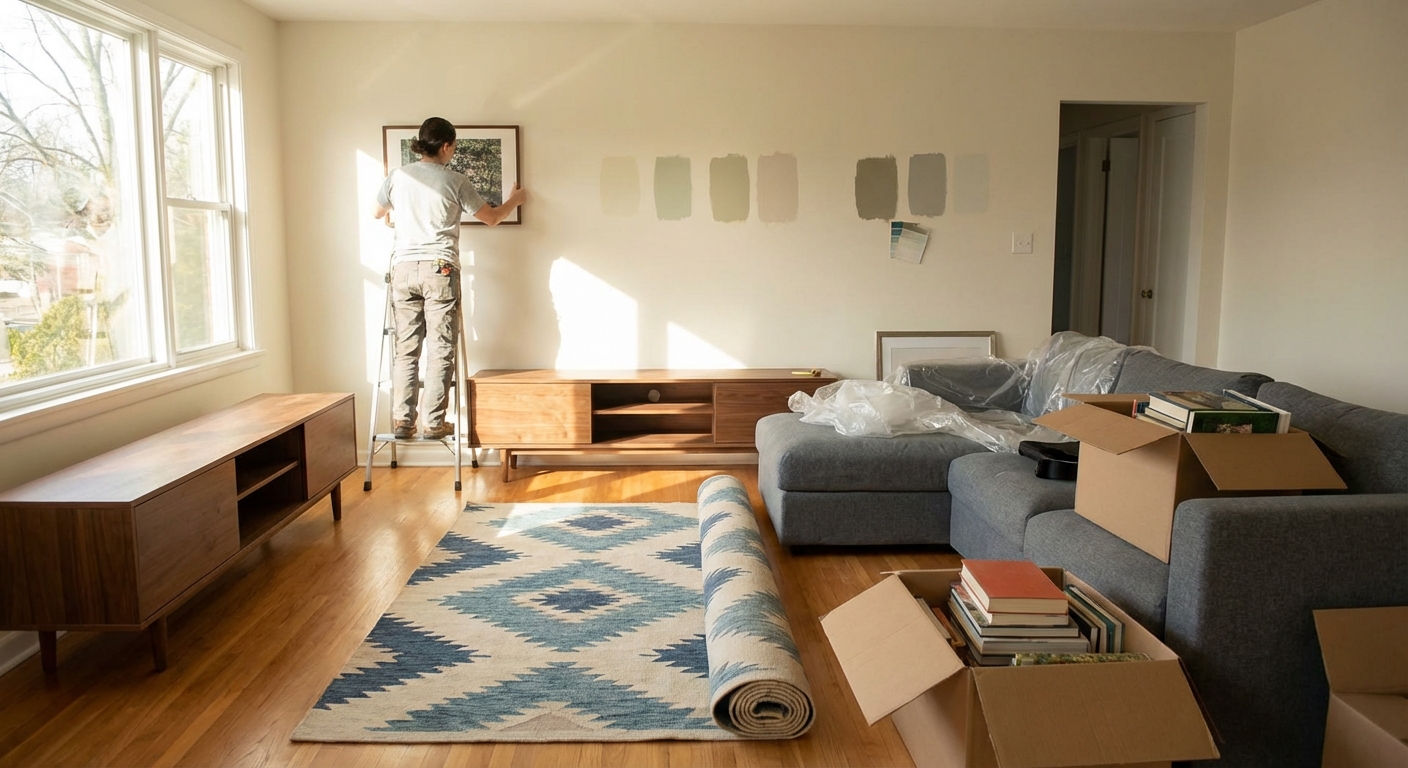
Tip from experience: Always test paint in morning and evening light on at least two walls. The color that looked “barely beige” in the store turned yellow in my north-facing room.Make It Personal (But Edit Ruthlessly)
The coziest rooms I’ve ever walked into had one thing in common: they felt like the person who lived there.
When I helped a friend redo her studio, we built the entire palette around one photograph she loved from a trip to Iceland. Greys, soft blues, and a tiny bit of rust. Suddenly all the random decor decisions snapped into place.
Ways I like to add personality without clutter
- One statement piece of art instead of ten tiny prints
- Real books stacked horizontally on a shelf or nightstand
- Travel objects in a tray rather than scattered (ticket stubs, small souvenirs)
- Plants – even one medium-sized plant instantly warms up a corner
Houseplants, by the way, are more than just decor. NASA’s famous clean air study from the late ‘80s showed some plants help remove certain indoor air pollutants. The EPA later clarified you’d need a lot of plants to see major air quality changes, but even a few can boost perceived well-being.
Pros:- Makes the space feel unique, not like a catalog
- Great conversation starters when you have guests
- Easy to cross the line into visual clutter
- Plants die (RIP to my first fiddle-leaf fig)
A rule that’s saved me: if a decorative item doesn’t make me feel something—nostalgia, joy, calm—it doesn’t stay.
Make Function Invisible (Or At Least Attractive)
Cables, chargers, routers, and random tech can absolutely kill the cozy vibe.
When I finally tackled my cable chaos with a $15 cable box and a few adhesive clips, my TV area went from “office break room” to “movie night ready.”
A few tweaks that worked for me
- Cable management box under the TV or desk
- Matching frames for wall art so the whole gallery looks intentional
- Pretty trays for remotes, coasters, lighters, and tiny things
- Coordinated bedding – duvet, pillows, and throw in the same undertone
Function doesn’t have to scream, “I am a practical item.” When it blends in, the room feels calmer but still works hard for you.
Start Small: One Corner at a Time
The biggest mindset shift I had? I stopped trying to “finish” an entire room in one weekend.
The spaces I love most in my own home grew over time. I’d add one new lamp, then swap a rug months later, then test a new layout when I moved the desk.
If you’re overwhelmed, start with just one corner:
- A reading nook with a chair, floor lamp, and small table
- A nightstand setup with a good lamp, book, and carafe
- A mini workspace that actually has a comfortable chair
When that corner feels genuinely cozy and functional, extend the same logic to the rest of the room.
Your space doesn’t need to be perfect to feel like home. It just needs to work for how you actually live—and make you exhale a little when you walk in.
Sources
- Frontiers in Psychology – Effects of clutter on well-being - Research on how cluttered environments impact mood and cognition
- CDC – Sleep and Light Exposure - Overview of how light affects circadian rhythms
- Harvard Graduate School of Design – Sensory design and the built environment - Discussion on texture, materials, and human response
- U.S. EPA – Indoor Air and Houseplants - Clarification on what plants can and can’t do for indoor air quality
- NASA Clean Air Study - Classic research on plants and indoor air pollutants