The Body Shop Skincare Guide
robably a mortgage. But when I first walked into a The Body Shop store years ago, it felt…different.
The labels talked about tea tree, hemp, vitamin E, aloe – actual ingredients I recognized – and there was a clear ethical stance: cruelty-free, community fair trade, strong activism roots. Over the last few years, I’ve tested a lot of their skincare on my very moody, combination, acne-prone face. Some products are holy grail level, some are overhyped, and some are great if you know how to use them.
This is the guide I wish I’d had before I spent way too much money on cute green tubs.
Why The Body Shop Is Different (and Where It Falls Short)
When I first dug into The Body Shop’s history, I realized it’s not just a “nice-smelling shop at the mall.” It was founded by Anita Roddick in 1976 in Brighton, UK, and became one of the early mainstream brands to push cruelty-free beauty and fair trade ingredients.
What they do well, in my experience:- Clear, straightforward ranges for specific skin concerns
- Generally gentle formulations that don’t nuke your barrier
- Strong stance on animal testing (they’ve partnered with Cruelty Free International)
- Lots of fragrance-free or low-fragrance options if you’re selective
- Some products are heavy on fragrance, especially older classics
- A few “natural”-leaning formulas still use sensitizing essential oils
- Not every range is truly suitable for sensitive skin, even if the marketing feels soft and friendly
So I treat The Body Shop like a curated toolbox: some products for barrier support, some for acne, some for glow – not a “use everything from one brand or else” situation.
Step 1: Cleansers – Don’t Start With a Squeaky Face
When I tested their cleansers, I notice they sit in that nice middle ground: not super-stripped, not overly oily.
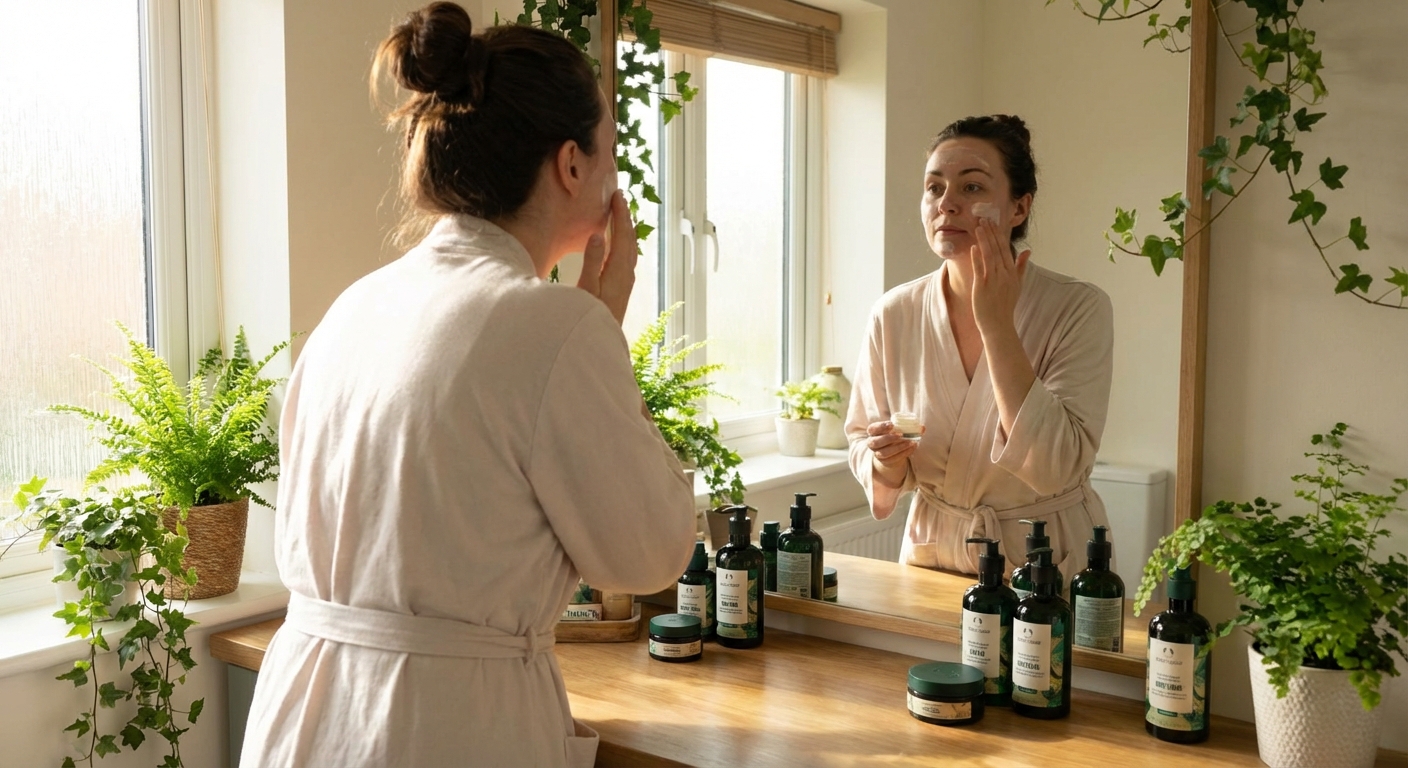
For oily or acne-prone skin: Tea Tree Skin Clearing Facial Wash
This is the green gel in the iconic tea tree range. I used this during a particularly awful breakout season, when my chin decided to become a constellation.
What I noticed:- It gives that classic “tea tree tingle”
- Helps cut through oil, especially in humid weather
- Works best as a morning or second cleanser, not your only cleanser if you’re dry anywhere
- Contains tea tree oil, which has documented antimicrobial properties against acne-causing bacteria (see studies like Carson et al., Clinical Microbiology Reviews, 2006)
- Feels refreshing and degreasing without full-on burning my face
- Can be too stripping if you’re combo/dry or overuse it
- Fragrance/essential oil heavy – not ideal for very sensitive skin
For dry or sensitive-leaning skin: Aloe Calming Cream Cleanser
When my barrier was wrecked from overdoing acids, this one saved me.
My experience:- Creamy, non-foaming formula
- No tight feeling after rinsing
- Zero drama, just soft, clean skin
It’s not going to remove a full face of long-wear makeup alone, but as a gentle morning cleanser or second cleanse, it’s been very kind to my skin.
Step 2: Toners & Essence – The Optional but Nice-To-Have Step
I’m picky with toners because a lot of them are just scented water in a cute bottle. The Body Shop has a mix: some are functional, some are more “feel good.”
Tea Tree Skin Clearing Mattifying Toner
I used this when my T-zone looked like a frying pan by 11 a.m.
What I liked:- Helps remove residual oil and grime
- Slightly mattifying – makeup sits better on top
- Contains mattifying powders you can literally see if the bottle sits for a while
- There’s alcohol and tea tree, so if your barrier is compromised, it can sting
- I only use it on my T-zone, never full face when my skin’s feeling fragile
Edelweiss Liquid Peel (Not a classic toner, but worth mentioning)
When I tested this, I was skeptical because “peeling gels” often rely on cellulose and don’t actually exfoliate much.
What I actually experienced:- It does ball up on the skin (some of that is product, some dead skin)
- My skin felt smoother after once or twice a week use
- Didn’t cause that angry, red, over-exfoliated look
Still, if you’re on prescription retinoids or strong acids, I’d skip this to avoid overdoing it.
Step 3: Serums – Where The Body Shop Quietly Shines
Their serums and treatment products are where I’ve found the most gems.
Edelweiss Daily Serum Concentrate
This is the updated version of their old Drops of Youth range. Edelweiss extract is rich in leontopodic acid, an antioxidant that helps protect against environmental stressors.
On my skin:- Lightweight, absorbs quickly, plays well under sunscreen and makeup
- Over about 4–6 weeks, my skin looked a bit plumper and more “rested”
- Didn’t clog my pores (a big one for me)
It’s not a retinol – you won’t get a dramatic reduction in deep wrinkles – but as an antioxidant + hydration boost, it’s been one of my most reached-for serums.
Tea Tree Anti-Imperfection Daily Solution
When I tested this during a bad hormonal flare-up, I used it as a spot-treating serum on my breakout zones.
Pros:- Lightweight, non-greasy
- Helps calm angry, red spots more quickly than doing nothing
- Not as effective as clinically-backed actives like benzoyl peroxide or adapalene for severe acne (dermatology guidelines still favor those)
- Can be irritating if you layer too many actives
For mild to moderate breakout-prone skin, it’s a good “maintenance” option. For cystic or severe acne, I’d pair it with derm-prescribed treatments.
Step 4: Moisturizers – Matching Texture to Skin Type
This is where The Body Shop really helped me dial in my routine.
For oily/combination: Seaweed Oil-Control Gel Cream
I grabbed this on a whim when my T-zone refused to behave.
My experience:- Gel-cream texture that sinks in fast
- Doesn’t leave a greasy film, even in summer
- Helps makeup last longer because it doesn’t slide around
If you’re super dry, this won’t be enough. But for my combo skin in warm weather, it hit the sweet spot.
For dehydrated or normal skin: Vitamin E Moisture Cream
This one’s been around for years, and I was low-key surprised by how well it worked.
What it brings:- Vitamin E (tocopheryl acetate), a classic antioxidant
- Simple, comforting texture – not too thick, not too runny
- Plays nicely with most serums and SPFs
It’s not a miracle worker, but as an everyday, barrier-friendly cream, it’s reliable.
For sensitive or reactive skin: Aloe Soothing Day Cream
When my barrier was messed up from over-exfoliating, this + the Aloe cleanser were my rehab duo.
Pros:- Fragrance-free and alcohol-free
- Gentle enough when my skin was stinging from almost everything else
- If you’re very dry, you might need to layer a hydrating serum or oil underneath
Step 5: Treatments & Extras – Masks, Oils, and “Skin Care Snacks”
These aren’t essential, but they’re the fun part.
Himalayan Charcoal Purifying Glow Mask
This mask is ridiculously satisfying if you like that deep-clean feeling.
When I used it:- Once a week max, only on my congested areas (nose, chin, center forehead)
- It helped clear out visible sebaceous filaments and made my skin look more refined temporarily
- It’s intense – not for sensitive or very dry skin
- If you’re already using strong actives, use sparingly or skip entirely
Oils of Life Intensely Revitalising Facial Oil
I tested this in winter over my night moisturizer.
How it behaved:- Gave a dewy, nourished look without clogging my pores
- Worked best when I used 2–3 drops pressed into damp skin
If you’re oily, this might be too much for daytime, but as a night-time “seal in all the goodness” final step, it felt luxe without being ridiculous.
Building a Simple The Body Shop Routine (By Skin Type)
Here’s how I’d put it together based on what’s actually worked for me.
For oily/acne-prone skin
AM- Tea Tree Facial Wash (light use)
- Optional: Tea Tree Toner on T-zone only
- Edelweiss Serum or go straight to moisturizer
- Seaweed Gel Cream
- Broad-spectrum SPF 30–50 (The Body Shop or any derm-approved one)
- Gentle makeup remover / balm + Tea Tree Wash (as second cleanse)
- Tea Tree Daily Solution on breakout zones
- Lightweight moisturizer (Seaweed or Vitamin E)
- Optional once a week: Himalayan Charcoal Mask on problem areas only
For normal/combination skin
AM- Aloe or Vitamin E Cleanser
- Edelweiss Serum
- Vitamin E Moisture Cream
- SPF 30–50
- Cream cleanser or balm then cleanser
- Toner if you enjoy one (gentle, alcohol-free)
- Edelweiss Serum
- Vitamin E or Aloe moisturizer, oil on top if needed
For sensitive or barrier-compromised skin
Keep it super minimal: AM & PM- Aloe Cleanser
- Aloe Day/Night Cream
- SPF in the morning
Once your skin calms down, slowly add serums or masks back in.
How The Body Shop Fits With Evidence-Based Skincare
I’m big on mixing “feel-good” skincare with data-backed ingredients. Dermatology guidelines from sources like the American Academy of Dermatology still prioritize actives like:
- Retinoids (retinol, adapalene, tretinoin) for aging and acne
- Benzoyl peroxide and salicylic acid for acne
- Niacinamide for redness, oil control, and barrier function
The Body Shop does have some of these (like salicylic acid in certain products and niacinamide in newer formulas), but it’s not a hardcore “clinical active” brand.
So I use it as:
- My support crew for cleansing, hydrating, and soothing
- A way to add antioxidants and gentle treatment
- The ethical, sensorial part of my routine that still plays well with prescriptions or derm-grade actives
If you’re dealing with severe acne, rosacea, or melasma, I’d absolutely combine their products with dermatologist guidance, not rely on them as your only treatment.
Final Thoughts: Is The Body Shop Skincare Worth It?
In my experience, yes – with realistic expectations and smart choices.
What I keep repurchasing:
- Aloe Cleanser & Cream (barrier-friendly basics)
- Edelweiss Serum (daily antioxidant hydration)
- Seaweed Gel Cream (excellent for oily/combination days)
- Occasional Tea Tree products when my skin decides to misbehave
What I’m cautious with:
- Anything strongly fragranced if my skin’s irritated
- Harsh toners or masks if I’m already using strong actives
If you want skincare that feels good, sits ethically better than a lot of mass brands, and actually does something beyond just smelling nice, The Body Shop can absolutely earn a place in your routine – you just have to match the right range to your actual skin, not the skin you wish you had.
Sources
- The Body Shop Official Website – Our Story - Brand history, values, and ethical commitments
- American Academy of Dermatology – Acne: Diagnosis and Treatment - Evidence-based acne treatment overview
- Carson CF, Hammer KA, Riley TV. "Melaleuca alternifolia (Tea Tree) Oil: A Review of Antimicrobial and Other Medicinal Properties" – Clinical Microbiology Reviews (NIH/NLM) - Research on tea tree oil’s antimicrobial effects
- Harvard Health Publishing – Retinoids for Wrinkled or Aging Skin - Overview of retinoids and anti-aging evidence
- U.S. Food & Drug Administration – Sun Protection Factor (SPF) - Official information on SPF and sun protection