The Quiet Friendship Recession: How I Rebuilt My Social Life as an Adult
apps, and my dentist. My “real friends” were buried way down in the scroll, under a pile of unread group chats and “we should catch up soon!” messages that never turned into plans.
That was my wake-up call that I’d accidentally slid into a friendship recession—plenty of contacts, almost no real connection. So I treated my social life like a life experiment. I tracked what worked, what flopped, and how it actually felt. What I discovered about making and keeping friends as an adult surprised me, and it completely changed how I relate to people.
This isn’t some “just be yourself and put yourself out there” fluff. I’ll walk you through what I tested in my own life, what research says about loneliness and connection, and how you can quietly rebuild a social circle that actually feels like yours.
The Moment I Realized “I’m Not Actually Fine”
The shift hit me in a weirdly specific moment: I got great news at work, reached for my phone to share it, and froze. Who do I text first? I had names... but I didn’t have that person. The automatic one. The “you’re my first call” person.
That bugged me enough that I started paying attention to my own habits:
- I’d cancel plans because I felt tired… then scroll for two hours.
- I’d say “let’s catch up soon” without ever suggesting a date.
- I’d assume everyone else was too busy for new friends, so I didn’t bother asking.
When I started reading up on this, I realized I wasn’t alone at all. A 2023 report from the U.S. Surgeon General described loneliness as an epidemic, linking it to higher risks of heart disease, dementia, and depression. One stat that floored me: socially isolated people have about a 29% higher risk of heart disease and a 32% higher risk of stroke compared to those who are more connected.

So no, my “I’m just introverted, I’m fine” story wasn’t as harmless as I’d been pretending.
Why Adult Friendships Feel So Hard (Even If You’re Social)
When I dug into why this felt so hard, a few patterns jumped out—both from my experience and from the research.
First: the logistics problem. When we’re younger, friendship is proximity-based. Same school, same dorm, same office. As we get older, life scatters everyone: jobs, kids, mortgages, different cities, different time zones. If you don’t build intentional habits, your social life quietly expires.
Second: the vulnerability tax. I noticed that I’d keep conversations at a safe “update” level:
- Work stuff
- Streaming recommendations
- “We’ve been so busy!”
But I almost never said: “I’ve been feeling lonely” or “I’m weirdly anxious about my future.” The people I did say those things to? Those friendships accelerated—fast. The others stayed in the shallow end.
Psychologist Robin Dunbar (yes, the Dunbar’s Number guy) has found that relationships slide down “rings of closeness” if we don’t invest time and emotional energy in them. Roughly, we can maintain about 5 very close friends, 15 good friends, and 50 “friends” overall. When I actually listed my contacts into those categories, it was painfully clear: I’d overfilled the outer rings and starved the inner ones.
Third: the friendship myth. I’d unconsciously believed that “real” friendships should be effortless. If we had to schedule or plan or negotiate boundaries, maybe we weren’t that close. That belief is poison. Every truly strong friendship I have now is the result of awkward effort:
- The first “hey, want to grab coffee?” message that felt too forward.
- The “I miss hanging out, do you want to make this a monthly thing?” conversation.
- The “actually, that joke hurt my feelings” talk that I was terrified would ruin everything (it didn’t).
Once I accepted that friendship takes maintenance, it got way easier—not harder.
What I Actually Did to Rebuild My Social Circle
I decided to treat my social life like a project, not a personality flaw. Here’s exactly what I did, what bombed, and what quietly changed everything.
1. I Stopped Waiting for “My People” to Appear
I used to show up to events and mentally scan the room for instant-connection vibes, like some romcom montage. When that didn’t happen, I’d decide, “These aren’t my people,” and retreat into my phone.
So I flipped it. Instead of searching for perfect people, I focused on creating one real moment with whoever was in front of me.
I tested a rule: at any social thing—a class, networking, a friend’s party—I’d try to:
- Ask one person a question deeper than “What do you do?”
- Share one mildly vulnerable thing about myself (“I’m weirdly nervous at events like this”; “I just moved and don’t know many people yet”).
- End at least one conversation with a next step: “Want to swap Instas?” or “I’d love to continue this sometime—coffee?”
A lot of those went nowhere. But a surprising number didn’t. One of my closest current friends came from a 20-second “I also hate small talk” comment we both laughed at while hovering by the snack table.
2. I Turned “We Should Catch Up” Into Real Plans
I did something mildly unhinged: I scrolled through my contacts and wrote down 15 people I genuinely liked but never saw.
Then I sent slightly dorky messages like:
> “I keep thinking ‘we should catch up’ and then doing nothing about it, so I’m fixing that. Want to grab coffee sometime in the next two weeks? I’m free [two specific days].”
The specifics were crucial. When I tested vague messages (“We should hang soon!”), I got polite agreement and no plans. When I gave an actual window, people responded with real times.
Out of 15 messages:
- 9 turned into actual hangouts
- 3 replied but couldn’t make it work (schedule, kids, etc.)
- 3 ghosted (no reply, and that’s okay)
What surprised me most: multiple people told me they’d been thinking the same thing but didn’t want to be “weirdly eager.” Apparently, we’re all terrified of looking like friendship try-hards.
Spoiler: being a friendship try-hard is how you get friends.
3. I Tested “Recurring Friendship” Instead of One-Offs
Another thing I noticed: one-off catch-ups felt great… and then nothing. Back to the same distance.
So with a few people, I tried suggesting recurring patterns:
- “Want to make this a monthly brunch?”
- “You mentioned wanting to walk more—want to do a weekly walk around the park?”
- “We clearly both love nerding out about books; want to do a tiny 2-person book club?”
When I tested this, I found:
- Most people liked the idea of something recurring because it removed the mental load of scheduling every time.
- If we skipped a week or month, it didn’t kill the whole thing; it just resumed next time.
My favorite version: a Sunday “no-pressure co-work” with a friend at a cafe. Half the time we ended up barely working and just decompressing. It turned into this soft landing spot at the end of the week.
4. I Allowed Different “Types” of Friends (Without Forcing More)
This one took a hit to my ego. I used to try to upgrade every fun acquaintance into a deep, soul-baring best friend. That’s like getting annoyed that your favorite taco place doesn’t serve sushi.
Once I consciously allowed different friendship lanes, my social life got a lot richer:
- Workout friends I only see at the gym.
- Old-school friends I mainly text memes to.
- One deep, introspective friend for heavy life talks.
- A couple of “we do creative projects together” friends.
Research backs this up: studies show that having a mix of weak and strong ties benefits mental health and even career growth. Not everyone has to be everything.
In my experience, once I stopped forcing intensity, some connections organically deepened anyway.
The Awkward Parts No One Likes to Talk About
Not everything I tried was cute and wholesome. Some of it was messy, and I think it’s worth being honest about that.
When I Realized a Friendship Was Mostly Nostalgia
There was a friend I’d known forever—we had history, inside jokes, all that good stuff. But whenever we met up, I left feeling… drained. Conversations looped through the same complaints. We didn’t talk about anything real now, just recycled memories.
For a while, I kept pushing. Then I did a little internal check-in after our hangouts:
- Did I feel more energized or less?
- Could I be honest with them about my current life?
- Did we both show curiosity about who we’d become?
When the answer stayed “no,” I quietly shifted the friendship to a lighter lane: less 1-on-1 hangouts, more group situations, slower responses. I didn’t ghost them; I just stopped forcing a closeness that didn’t fit either of us anymore.
That felt harsh at first. But the space it freed up for friendships that did feel alive was worth it.
When I Was the Flaky One
I also had to face that sometimes… I was the problem. I’d say yes to plans in a burst of optimism, then cancel the day of because my social battery tanked.
So I tried a new rule with myself: say no earlier, not later.
If my first reaction to a plan was dread, I’d answer honestly:
- “That sounds fun, but my week’s packed and I know I’ll be useless. Rain check?”
- “I’m in a low social energy phase right now, but I want to see you. Can we schedule something chill in a couple weeks?”
Weirdly, this honesty made friendships stronger, not weaker. People liked knowing what to expect. And it made my “yes” carry more weight.
What the Research Says vs. What It Actually Feels Like
While I was experimenting on myself, I kept checking what psychologists and sociologists were finding about friendship. A few things synced up uncannily with my lived experience.
- Time matters more than magic. Research from the University of Kansas suggests it takes around 50 hours together to move from acquaintance to casual friend, and about 200 hours to become close friends. Once I stopped expecting instant depth, I relaxed into the process. My job was just to keep showing up.
- Loneliness is about quality, not just quantity. You can be surrounded by people and still feel alone—something I noticed at certain parties where I was “on” but not myself. Studies highlight that perceived loneliness (how connected you feel) predicts health outcomes more than how many people you know.
- Digital connection is a double-edged sword. Some of my friendships live primarily online (especially long-distance ones), and they’re real. But the nights I scrolled group chats instead of talking 1-on-1? I almost always felt worse. For me, scheduling an actual video call or voice note exchange beats 100 likes.
When I synced the data with my emotional reality, a pattern emerged: depth beats breadth, and consistency beats intensity.
How You Can Quietly Start Your Own Friendship Comeback
You don’t need to become a social butterfly or reinvent your personality. Here’s what I’d genuinely recommend if you’re where I was:
- Start with three names. People you already like and feel safe around. Message them this week with something specific and slightly vulnerable: “I miss talking to you—want to grab a coffee sometime soon? I’ve been feeling a bit disconnected lately and I’d love to catch up properly.”
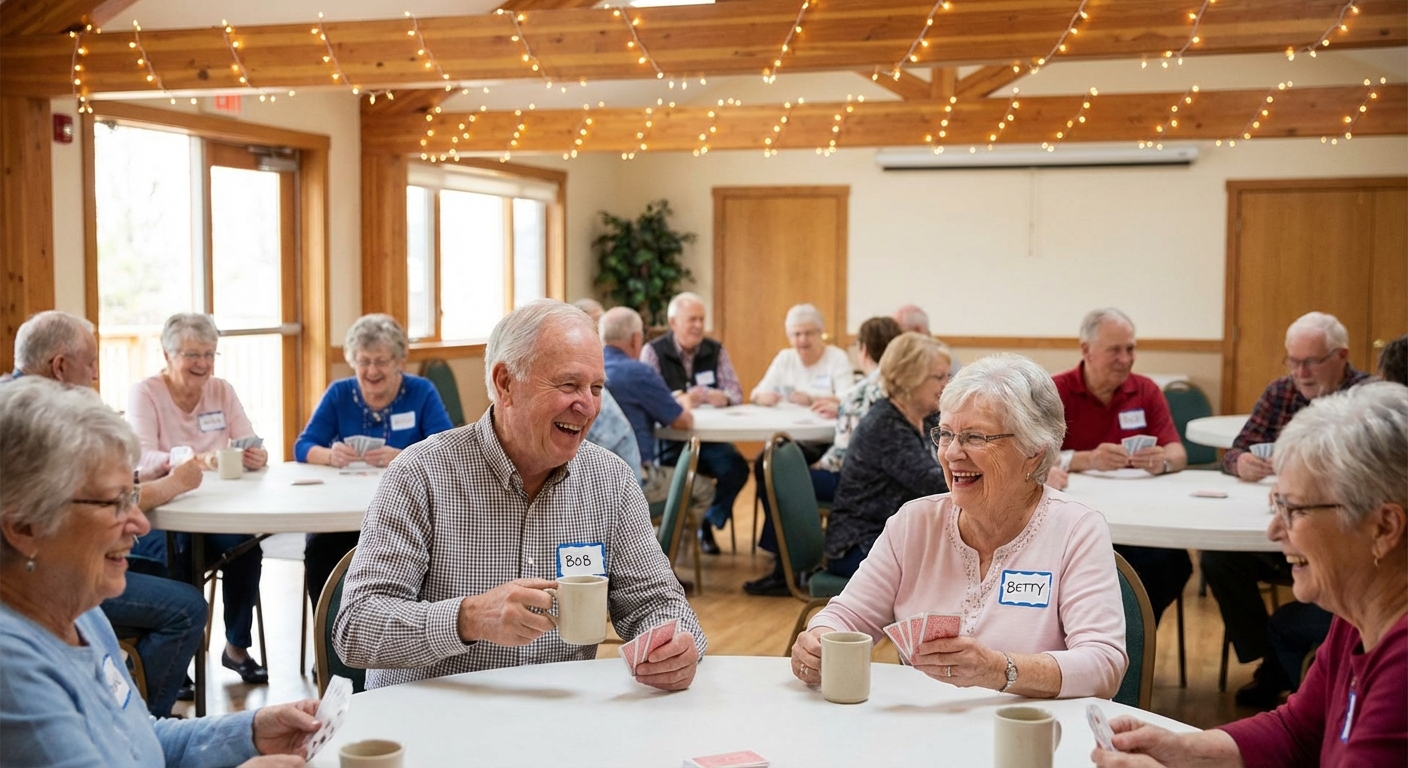
- Add one new context where the same people show up regularly: a class, hobby group, volunteer gig, religious community, co-working space, whatever fits your life. Don’t chase “your tribe.” Just give yourself repeated exposure to the same faces.
- Practice sharing just 10% more honesty than you normally would. Instead of “Yeah, everything’s good,” try “Work’s fine, but I’ve been feeling a bit lonely if I’m honest.” See who responds with care—that’s your signal.
- Protect your energy, but don’t overprotect it. I noticed I sometimes used “social battery” as a shield to never be uncomfortable. Now I ask: “Will this hangout leave me slightly tired but happy, or fully drained?” I say yes to the first, no to the second.
Will this fix everything in a week? No. My own social reset took months to really feel different, and it still needs maintenance. But now, when something big happens—good or bad—I don’t freeze at my messages screen. I know exactly who to text. And that feeling alone has been worth every awkward invite and vulnerable sentence.
Conclusion
If your social life feels thinner than you’d like, you’re not broken—you’re living in a culture that quietly starves adult friendship and then acts surprised when everyone’s lonely.
The good news is, you don’t need a charismatic personality or endless free time to change it. You need small, slightly-braver-than-usual moves:
- One real message instead of “we should hang sometime.”
- One recurring plan instead of “let’s see.”
- One vulnerable sentence instead of polished small talk.
When I tested those shifts, my life didn’t suddenly turn into a montage of rooftop parties and group selfies. It changed in smaller, better ways: a steady stream of check-in texts, a couple of “I’m on my way” people, quiet dinners that left me feeling full in more ways than one.
If any part of my story feels uncomfortably familiar, consider this your gentle nudge: don’t wait for friendship to find you. Go build it—awkwardly, honestly, and at your own pace.
Sources
- U.S. Surgeon General Advisory: Our Epidemic of Loneliness and Isolation – Official report outlining health risks of social disconnection and recommendations for rebuilding social ties
- Harvard Study of Adult Development – Lifespan Research on Relationships – Long-running study showing how close relationships impact health and happiness over decades
- American Psychological Association – “Why We Need Friends” – Overview of psychological research on friendships, well-being, and social support
- Greater Good Science Center, UC Berkeley – Science of Friendship – Research-backed insights and articles on building and maintaining meaningful relationships
- University of Kansas – “How Many Hours Does It Take To Make a Friend?” – Study by Jeffrey Hall estimating hours needed to move from acquaintance to close friend