Women's Smartwatches: Styles, Features, and Pricing
Spoiler: it wasn’t supposed to buzz.
It was my phone jammed in my bag, aggressively vibrating, while my very cute but very dumb analog watch just sat there… being pretty and useless. That’s when I finally admitted I needed a smartwatch that didn’t look like I’d stolen it from a tech bro’s gym bag.
Over the last few years, I’ve tested everything from ultra-feminine rose gold smartwatches to rugged fitness beasts with pink straps slapped on as an afterthought. Some were brilliant, some were baffling, and some were quietly tracking my stress while I stress-ate an entire pizza.
This is the guide I wish I’d had before I wasted money.
What Makes a Smartwatch “For Women” (And What’s Just Marketing)
When I started comparing models, I kept asking myself: Is this actually designed for women, or just shrunk and painted blush?
In my experience, there are three real design differences that matter:
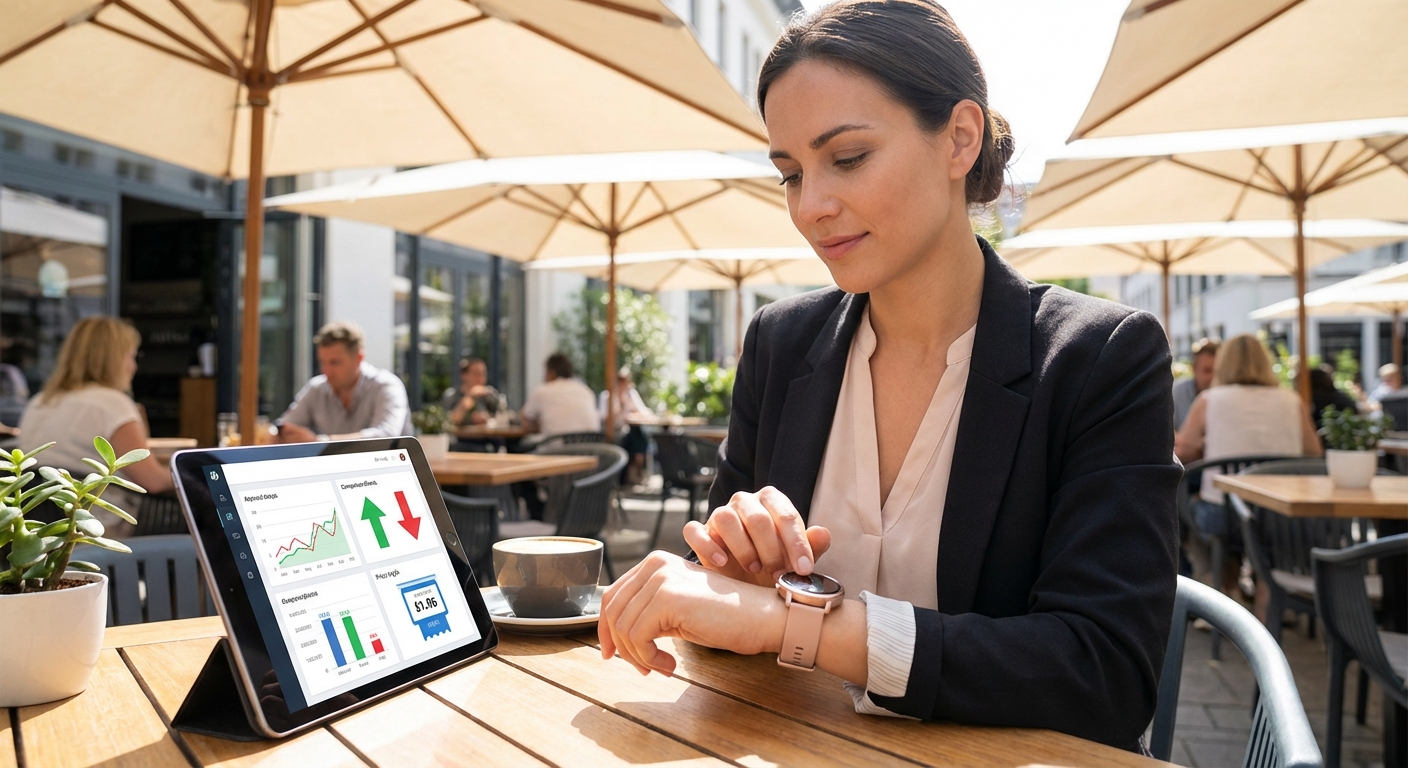
1. Case size and comfort
Most women’s wrists are smaller, and a 45–47 mm case can feel like strapping a tiny saucer to your arm. When I tested a large Garmin model, it kept knocking against my laptop and jacket cuffs. I lasted 3 days.
Sweet spot for many women (not all, of course):
- 38–41 mm: feels like a classic dress watch
- 40–42 mm: good balance of screen size and comfort
Apple’s 40 mm and 41 mm cases, Samsung’s 40 mm models, and Fitbit’s slim rectangles all worked well on my wrist without leaving a smartwatch tan line.
2. Band design that you’ll actually wear
I recently discovered how big a difference quick-release pins make. Swapping a silicone band for a leather or metal band takes seconds if the watch supports standard 20 mm or 22 mm straps.
If a smartwatch forces you to buy only proprietary bands from the brand, it can get expensive fast. Apple and Samsung? Gorgeous bands, but the official ones are not cheap. With my Garmin and Fitbit, I’ve often just grabbed a $15 band from Amazon and called it a day.
3. Features tailored to women’s health
This is where the gap between “pretty tech” and “actually useful tech” really shows.
Many women’s smartwatches now include:
- Menstrual cycle tracking (Apple, Samsung, Garmin, Fitbit, Polar)
- Ovulation / fertility window estimates (Apple’s wrist-temperature-based ovulation estimates are surprisingly advanced)
- Pregnancy tracking (Garmin has a dedicated pregnancy tracking mode)
However, these features are not medical devices. Apple literally states in their health disclaimers that data like cycle tracking and ovulation estimates shouldn’t replace professional medical advice.
When I tested cycle tracking across Apple Watch Series 9 and a Fitbit Sense, they were decent at predicting my cycle once they had two or three months of data—but not so reliable that I’d plan anything major solely around them.
Styles: From Minimalist Chic to Full-On Fitness Nerd
Here’s how I mentally group women’s smartwatches when I’m helping friends shop.
1. Fashion-focused smartwatches
These are the watches that look like something you’d wear to a wedding, a client meeting, or a date. They focus on style first, tech second.
Examples I’ve used or tested:- Apple Watch with a dressier band – I’ve turned my regular Apple Watch into a “jewelry watch” just by adding a slim gold Milanese loop strap.
- Michael Kors / Fossil smartwatches – These run Wear OS (Google’s smartwatch platform) and look like traditional jewelry watches with smart features baked in.
- Polished designs, metal finishes, thin straps
- Easy to dress up or down
- Battery life often 1–2 days at most
- Not as strong in hardcore fitness metrics compared to Garmin/Polar
If your priority is looking put-together and you just want notifications, basic health tracking, and tap-to-pay, this lane makes sense.
2. Fitness-first smartwatches
When I trained for my first 10K, I switched from a stylish hybrid watch to a Garmin Venu 2S, and I’m not exaggerating: my running changed in two weeks.
Fitness-forward women’s smartwatches usually offer:
- GPS accuracy that doesn’t freak out in city streets
- VO₂ max estimates and training load metrics
- Heart rate variability (HRV) and stress tracking
- Longer battery life – I’ve gotten 4–6 days on Garmin, sometimes more with fewer sensors on
Popular options in this category:
- Garmin Venu / Lily / Forerunner (smaller sizes)
- Polar Ignite / Pacer
- Coros Pace / Apex (for outdoor sports)
These aren’t always the prettiest for formal events, but for active women, they’re ridiculously practical.
3. Everyday all-rounders
These are the ones that try to balance style, smart features, and fitness.
If friends ask, “Just tell me the one smartwatch I can wear to work, to yoga, and to bed,” I point them to this group:
- Apple Watch SE / Series (40–41 mm)
- Samsung Galaxy Watch (40 mm)
- Fitbit Versa / Sense
They’re not hardcore sports computers, but they do:
- Notifications, calls, and quick replies
- Sleep tracking
- Activity rings/zones to keep you moving
- Third-party apps (especially Apple/Samsung)
This is the category I end up wearing most days—my Apple Watch for iPhone days, my Samsung when I’m testing Android stuff.
Features That Actually Matter (And What’s Just Hype)
After dozens of reviews and way too many late-night spec-sheet rabbit holes, I’ve learned which features are worth paying for.
Health and fitness features
Worth the money:- Optical heart-rate sensor with workout modes – Non-negotiable if you care about health.
- GPS (built-in or connected) – Built-in GPS is better for runners and cyclists; connected GPS (via phone) is fine for walkers.
- Sleep tracking – I ignored this at first. Then I saw how bad my sleep was after 3 pm coffees and… yeah, I cut back.
- SpO₂ (blood oxygen) – Helpful for sleep apnea conversation starters with your doctor, but don’t self-diagnose.
- ECG (electrocardiogram) apps – Apple, Samsung, and Fitbit have FDA-cleared ECG features for detecting possible AFib. Incredible tech, but not something everyone will use daily.
- Skin temperature / wrist temperature – Mainly useful in the background for cycle tracking and recovery readiness, not something you’ll check every morning.
Smart features
Things that genuinely changed how I go through my day:
- Tap-to-pay (NFC) – I’ve bought groceries, coffee, and train tickets with just my wrist when I forgot my wallet.
- Quick replies to messages – On Android especially, canned replies on the watch are game-changers during meetings.
- Music control / offline music – Being able to leave my phone at home and run with just a smartwatch + earbuds feels very freeing.
Things I rarely use beyond week one:
- Tiny games
- Most standalone third-party apps
- Random “breathe with this animation” apps (the built-in ones are enough)
Pricing: What You Get at Each Budget Level
When I talk price with people, I usually break it down like this (USD ranges, real-world retail, not launch prices):
Under $150: Budget-friendly basics
Think Amazfit, some Fitbit Inspire / older Versa models, and basic Garmin or Huawei watches.
You’ll typically get:
- Step counting, basic sleep, heart rate
- Sometimes GPS, sometimes just connected GPS
- 5–10 days battery on simpler systems
Trade-offs:
- Less polished apps and ecosystems
- Fewer women’s health features
- Cheaper materials (more plastic, less metal)
$150–$300: Best value sweet spot
This is where I’ve found the best bang-for-buck for most women.
You’ll see:
- Apple Watch SE
- Fitbit Versa / Sense (often on sale)
- Garmin Venu Sq / Lily / entry Forerunners
- Samsung Galaxy Watch (non-Pro, smaller sizes)
Here you’re getting:
- Strong health features
- Better build quality
- Reliable notifications and app support (especially Apple/Samsung)
In my experience, if you can stretch your budget into this range, your watch is far less likely to become a “drawer gadget” in six months.
$300–$500+: Premium territory
This is where the serious toys live:
- Apple Watch Series 9 / Ultra (if you like large cases)
- Garmin Venu 3, high-end Forerunner / Fenix (in smaller sizes)
- Samsung Galaxy Watch Pro
You’re paying for:
- Faster chips, smoother interface
- Advanced metrics (training readiness, advanced recovery, GPS accuracy)
- Nicer materials (stainless steel, sapphire glass on some models)
Worth it if you:
- Are deeply into fitness or outdoor sports, or
- Want your smartwatch to be your main daily tech accessory for 3–4 years
Privacy, Data, and the Slightly Uncomfortable Part
The more your watch knows about you—cycle, sleep, heart rate, location—the more you should care about who has that data.
When I researched this, a few things stood out:
- Apple processes a lot of health data on-device and encrypts it when synced to iCloud (with options for end-to-end encryption).
- Fitbit (owned by Google) and Garmin store most data in the cloud; they both publish privacy policies that are fairly transparent but… they’re still big tech.
- Menstrual and fertility data drew a lot more attention after 2022 in the U.S., with legal experts and privacy advocates warning about how sensitive that data can be.
I now:
- Turn off any sharing I don’t need
- Use strong passwords and 2FA on my accounts
- Regularly review which apps have access to my health data
Smartwatches can absolutely be empowering, but only if you’re comfortable with the trade-off.
How to Choose: A Quick, Honest Checklist
Here’s the framework I use when friends DM me screenshots of 12 similar watches and ask for help.
- What phone do you use?
- iPhone → Apple Watch integrates best.
- Android → Samsung, Fitbit, and Garmin are top options.
- What’s your main goal?
- Look stylish and get notifications → Fashion-forward or everyday all-rounder.
- Train seriously (running, cycling, triathlons) → Fitness-first (Garmin, Polar, Coros).
- Health overview and gentle nudges to move → Mid-range Apple, Fitbit, Samsung.
- How often do you want to charge?
- Daily charging is fine → Apple / Samsung (full-featured models).
- Once a week or more → Garmin, Fitbit, or simpler hybrids.
- Do you actually care about advanced metrics?
If you’re never going to look at VO₂ max or recovery scores, don’t pay extra for them. I’ve seen people buy $500 sports watches and only check their steps.
- Budget?
If you’re under $200, don’t stress about perfection. Get something with good reviews, a size you like, and at least heart-rate + sleep. If you can do $200–$300, that’s where the magic balance usually lives.
I’ve tested enough women’s smartwatches to say this with zero hesitation: the “best” one is the one you’ll actually wear daily.
If that means a tiny rose-gold hybrid that just buzzes and tracks sleep? Great. If it’s a chunky sports watch that screams “I log my long runs on Sunday”? Also great.
Pick the one that matches your life, your wrist, and your real habits—not just the most expensive one on the display.
Sources
- Apple – Women’s Health Research – Overview of the Apple Women’s Health Study and cycle tracking research.
- Mayo Clinic – Fitness Trackers: How They Can Help You Move More – Medical perspective on activity and fitness trackers.
- Forbes – Best Smartwatches For Women 2024 – Comparative look at top women’s smartwatch options and pricing.
- FDA – Consumer Update on Wearable ECG Devices – Explanation of ECG features and limitations on wearables.
- Harvard T.H. Chan School of Public Health – Wearables and Health – Discussion of benefits and limitations of health data from wearables.