ATV Ownership Guide
minutes I’d learned a painful lesson about throttle control and loose gravel. That little ego bruise was my real introduction to ATV ownership—and it’s a lot more complicated than just “buy it, ride it, send it.”
If you’re thinking about getting an ATV—or you already have one and want to level up from casual rider to responsible owner—this guide is everything I wish someone had told me earlier.
Why Own an ATV in the First Place?
When I talk to new riders, they usually fall into one of three camps:
- Trail & adventure riders – chasing forest trails, dunes, and mountain views.
- Work & utility users – farms, ranches, property maintenance, hauling firewood, plowing snow.
- Sport & performance riders – track days, dunes, racing, or just going fast (responsibly… mostly).
My first ATV was a used Honda Rancher I picked up to help with property chores. Within three weekends it “accidentally” became my trail toy. That’s how it usually goes: you buy it for one reason, and it slowly turns into a multipurpose money pit in the best way.
But the way you plan to use it determines almost everything: engine size, drivetrain, tires, maintenance schedule, even what trailer you’ll need.
Types of ATVs (And What They’re Really Like to Live With)
In my experience, most buyers underestimate two things:
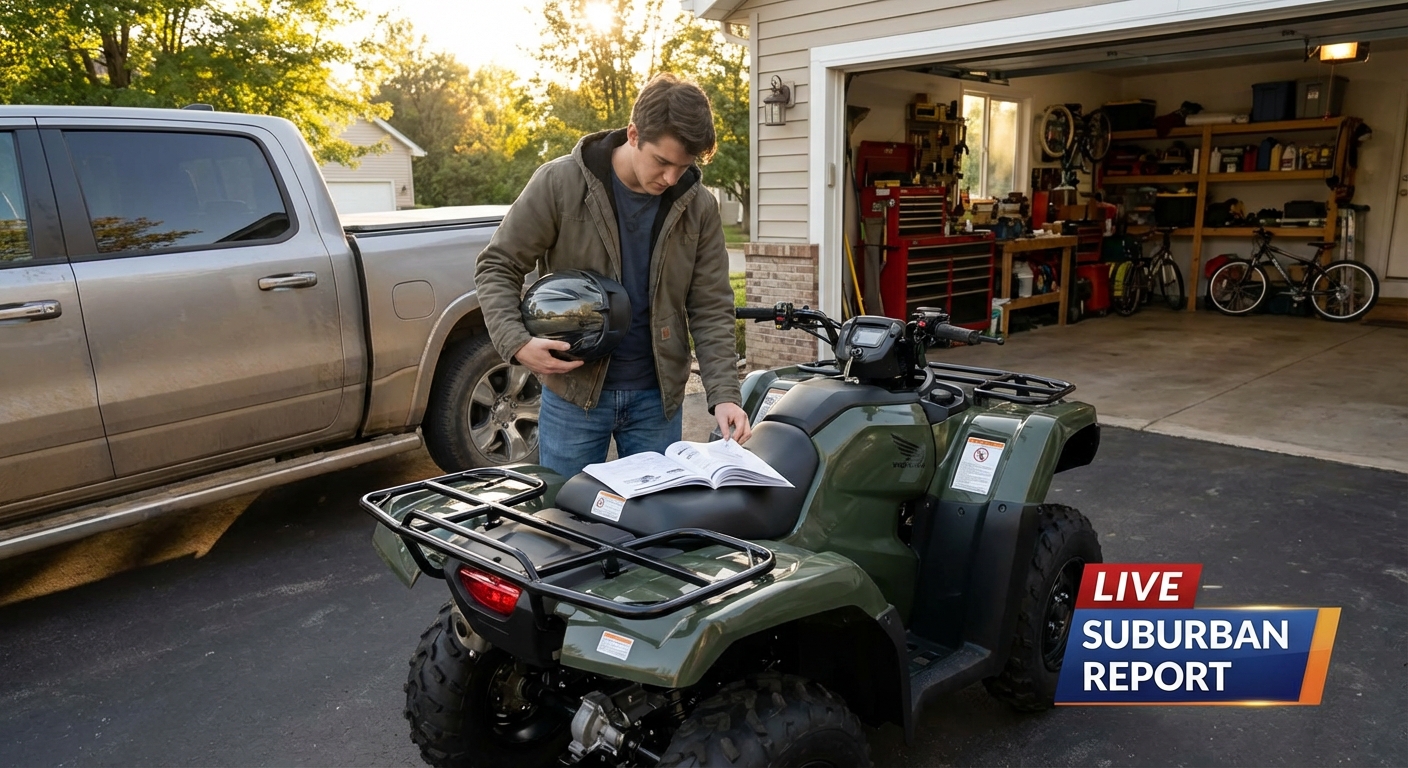
- How heavy these machines are.
- How much power they actually have.
Here’s how I usually break them down when helping friends shop.
1. Youth ATVs (50–125cc)
I’ve tested a couple of youth models from Polaris and Yamaha with friends’ kids, and they’re worlds apart from the sketchy no-name machines on marketplace sites.
- Pros: Speed limiters, tether kill switches, lighter weight, age-appropriate ergonomics.
- Cons: Kids outgrow them fast, and cheap models can have awful brakes and terrible parts support.
If a manufacturer doesn’t clearly list age recommendations and safety features, I treat that as a red flag.
2. Utility / Recreational ATVs (400–700cc)
This is the sweet spot for most owners. My current workhorse is a 570cc 4x4 with power steering and a winch, and it’s honestly overkill for most chores—but I have zero regrets.
Common features:
- 4x4 with selectable 2WD/4WD
- Cargo racks, tow hitch, sometimes a receiver
- CVT (continuously variable transmission)
They’re brilliant for:
- Plowing snow
- Hauling trailers or sprayers
- Hunting, camping, general exploring
But don’t underestimate the weight. Once mine sank into spring mud, it took a winch, a come-along, and two very unhappy friends to get it out.
3. Sport ATVs (450cc class)
When I tested a friend’s Yamaha YFZ450R on a motocross-style track, I realized very quickly: this is not a casual machine. High-strung engines, long-travel suspension, aggressive ergonomics.
- Pros: Huge power-to-weight ratio, crazy fun in the right hands.
- Cons: Demanding maintenance, less cargo, usually no racks, less forgiving for beginners.
If you’re brand new, jumping straight to a 450 sport quad is like learning to drive in a rear-wheel-drive sports car on a rainy day.
New vs Used: What I Learned the Expensive Way
My first ATV was used. My second was new. Both taught me different lessons.
Buying New
What I liked:- Factory warranty (typically 6–12 months, some brands offer extended coverage).
- Known history; no mystery “that noise is normal” excuses.
- Better access to dealer support and recalls.
- Freight, setup, and documentation fees added almost 15% to the sticker price.
- Depreciation hit hard in the first two years.
Buying Used
I’ve looked at enough used ATVs on Facebook Marketplace to write a horror novel.
Here’s my personal checklist when I meet a seller:
- Frame: Look for welds that don’t match factory welds, bends, or cracks—especially near suspension mounting points.
- Oil: Pull the dipstick. Milky oil = water contamination. Dark but smooth is usually fine. Glittery = walk away.
- CV boots & axles: Torn boots fling grease; dry joints click in turns.
- Plastics & bars: Scars, replaced plastics, and bent handlebars can hint at rollovers.
- Cold start test: If the seller has it warm when you arrive, I get suspicious.
The best used machines I’ve seen usually come from older owners using them for light work—not from the local sand dunes hero.
The Real Cost of ATV Ownership
I went into ATV ownership thinking, “I’ll just pay for gas and oil.” That was… optimistic.
Here’s what hit my wallet over the first year with my 570cc 4x4 (numbers approximate, and will vary by region):
- Registration & title: ~$50–$150 per year depending on state and OHV permits.
- Insurance: My liability + comprehensive runs about $120/year.
- Basic maintenance: Oil, filters, spark plug, differential fluid: about $150–$250 annually if you DIY.
- Tires: A full set of decent all-terrain tires can easily hit $400–$800.
- Trailer: My single-axle utility trailer was around $1,200 new, plus registration.
I tell friends: if you’re budgeting $6,000 for an ATV, mentally set aside another $1,000–$1,500 for setup, gear, and maintenance in the first year.
Safety: The Stuff I Didn’t Take Seriously Enough at First
I used to ride in jeans, sneakers, and a cocky attitude. Then I watched a guy flip a quad at less than 15 mph and break his collarbone. That changed my gear priorities fast.
Gear I Consider Non‑Negotiable
- DOT or ECE-rated helmet (ATV or MX style)
- Goggles with good ventilation
- Gloves with real knuckle and palm protection
- Over-the-ankle boots (I use enduro-style boots—more support, more protection)
- Long sleeves and pants at minimum; riding jersey + armored underlayer is even better
The U.S. Consumer Product Safety Commission has consistently flagged ATVs as high-risk for injuries, especially for youth riders. A 2022 CPSC report noted over 81,000 ATV-related emergency department-treated injuries in 2020 alone. That’s not fearmongering—that’s a reminder that safety gear matters even if you’re “just cruising the field.”
Riding Practices That Actually Make a Difference
When I attended a basic ATV safety course (which I originally thought was going to be useless), I picked up a few techniques that genuinely changed how I ride:
- Body positioning: Leaning uphill on side-hills, forward on climbs, back on descents—it’s not just theory; you feel the stability.
- Throttle discipline: Smooth input prevents wheelspin and sudden lurches.
- Pre-ride check: I now do a 60-second walk-around: tires, controls, brakes, lights, fuel, any leaks.
Many states and provinces require ATV safety courses for younger riders. Honestly, I think adults should take them too.
Maintenance: The Boring Stuff That Saves You Thousands
When I tested skipping an oil change “just once” on a hard-ridden machine, I got away with it—but the used oil analysis I ran later (yes, I’m that kind of nerd) showed elevated metal content and fuel dilution. Lesson learned.
Here’s my practical maintenance rhythm:
Every Ride or Two
- Check tire pressure (ATV tires often run 4–8 psi; a few psi off can change handling dramatically).
- Look for oil or coolant leaks under the machine.
- Verify brakes feel consistent and not spongy.
Every 25–50 Hours
- Change engine oil and filter (follow your manual; some are 50–100 hour intervals, but heavy use warrants sooner).
- Clean or replace air filter—especially if you’ve ridden dusty trails or sand.
At Least Once a Season
- Change differential and transmission fluid.
- Inspect wheel bearings, ball joints, and bushings.
- Grease all zerks (suspension pivots, driveshafts where applicable).
My rule: if I ride hard in mud or water crossings, I shorten every interval. Water + grit + bearings = expensive sadness.
Where You Can (And Can’t) Ride
This might be the most overlooked part of ATV ownership.
Where I live, I’ve got:
- Designated OHV trails that need paid permits.
- Forest service roads with seasonal restrictions.
- Private land where I’ve gotten written permission.
Trail closures and enforcement have ramped up over the last decade. Land managers are under pressure because of erosion, noise complaints, and irresponsible riders cutting illegal trails.
A few tips that’ve kept me out of trouble:
- Check your state’s OHV program website (many .gov sites list legal trails and maps).
- Respect seasonal closures—they’re often about wildlife or preventing trail damage.
- Don’t assume a quiet dirt road is legal for ATVs; check signage and regulations.
And honestly, being the rider who slows down near homes and campsites and doesn’t roost gravel everywhere builds goodwill we badly need as a community.
Accessories You Actually Use (vs Dust Collectors)
When I bought my second ATV, I went a little accessory-happy. Here’s what’s paid off and what mostly gathers dust.
Worth every dollar in my experience:- Winch (2,500–3,500 lb): I’ve used it for recovery, moving logs, and once to help a stuck pickup.
- Handguards & heated grips: Game-changer for cold weather riding.
- Front & rear rack bags: Keeping tools, a tow strap, and first-aid kit on board has saved a few rides.
- LED light bars (fun, but stock lights are often fine for casual riding).
- Fancy aluminum wheels (good for ego, not performance per dollar).
- Cheap, universal plow system that never quite fit right and required “persuasion” with a grinder.
Who ATV Ownership Is (And Isn’t) For
Great fit if:- You’ve got access to legal riding areas.
- You’re willing to wrench a bit or pay for regular servicing.
- You value utility and recreation.
- You live in a dense urban area with no easy trail or property access.
- You hate maintenance and don’t want to think about fluids, grease, or tire pressure.
- Your budget is tight after the initial purchase; ownership costs are real and ongoing.
In my experience, people who stay happiest long-term treat ATVs like a mix of a tool and a toy: taken seriously, used often, and maintained like you plan to keep it for a decade.
Final Thoughts from the Saddle
ATV ownership has given me some of my favorite memories—pulling a buddy’s truck out of a snowed-in driveway, riding ridgelines at sunset, teaching a terrified-but-excited new rider how to handle their first hill.
It’s also taught me humility, mechanical patience, and that a $20 tow strap and a well-maintained winch can turn you into the hero of the trailhead parking lot.
If you go into ATV ownership with clear eyes—knowing the costs, the risks, the maintenance, and the responsibilities—you don’t just get a machine. You get access to a whole new way of exploring and working outdoors, with a lot fewer surprises and a lot more grins.
Sources
- U.S. Consumer Product Safety Commission – 2022 ATV Annual Report - Data on ATV-related injuries and trends
- Yamaha Motors – ATV Safety Information - Manufacturer guidance on safe ATV operation
- U.S. Forest Service – Motor Vehicle Use Maps (MVUM) - Official maps showing where off-highway vehicles are allowed on National Forest lands
- Polaris Off-Road – ATV Buyer’s Guide - Brand-backed overview of ATV types and features
- ATV Safety Institute (ASI) - Training resources and safety standards for ATV riders