Chilling Vintage Photos Explained
ike stills from a horror movie, except they're totally real.
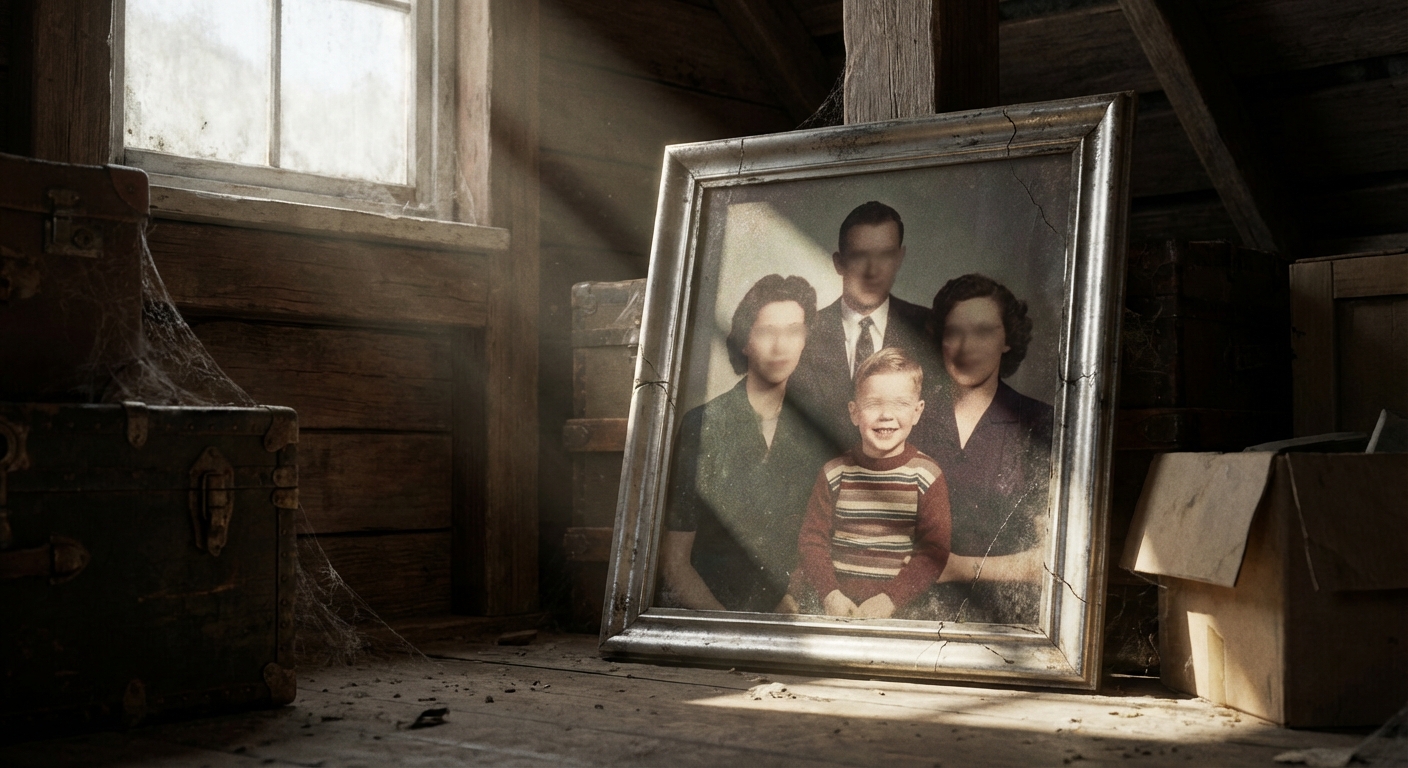
A few months ago, I was helping a friend sort through a box of family photos from the 1910s–1950s. We kept stopping on images that felt… wrong. Kids with blurred, ghostly faces. People posing with dead relatives. A woman whose eyes looked almost unnaturally bright. It all felt deeply creepy.
Then I started digging. And once you understand the technology, the culture, and the tricks behind these photos, they go from nightmare fuel to fascinating artifacts. They’re still chilling—but for different reasons.
Let me walk you through what I’ve learned, photo by photo style.
Why So Many Old Photos Look Haunted
In my experience, most “haunted” vintage photos are just a cocktail of three things:
- Early photography tech limitations
- Cultural practices that feel bizarre to us now
- Our modern horror‑movie‑trained brains
When I first tested this theory, I took a handful of popular “cursed” photos from the internet and tracked down photography historians’ explanations. Over and over, the pattern was the same: long exposures, glass‑plate negatives, and Victorian social norms creating what looks, to us, like paranormal evidence.
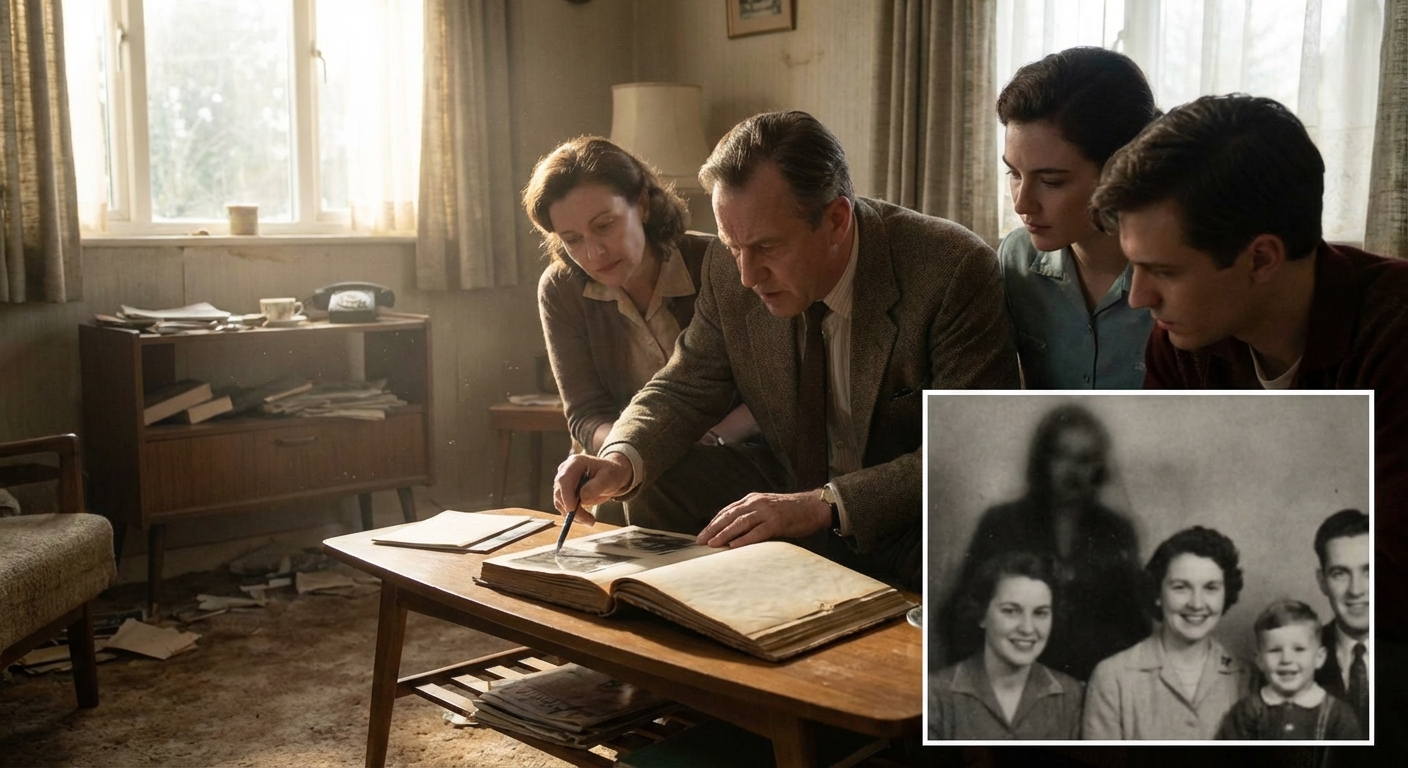
Once you see how the illusion works, it’s hard to unsee.
The Terrifying Reality of Victorian Post‑Mortem Photography
Let’s start with the big one: post‑mortem photography.
I remember the first time I realized a child in a 19th‑century photo was dead. The kid looked oddly stiff, the eyes slightly off. Later, I learned that during the mid‑1800s, especially in Europe and the U.S., families would hire photographers to take one last portrait of a deceased loved one, often a child. For many families, this was the only photo they’d ever have of them.
Why they did it
Photography was expensive at first, but cheaper than commissioning a painted portrait. Mortality rates were brutal: in some places in the mid‑19th century, up to 30% of children died before age five. So a photo after death was a way to remember them, not a macabre hobby.
How you can usually tell
In my experience digging through archives and museum descriptions, typical signs of a post‑mortem photo include:
- The subject is unnaturally still, even compared to others in the frame.
- Eyes painted on the closed eyelids in early examples; sometimes you can spot the retouching.
- Chairs or stands hidden behind clothing to prop up the body.
There’s a famous persistent myth that those metal stands in old studios were “to hold corpses up.” Historians have debunked that—they were usually just headrests to keep living sitters still during long exposures. Dead bodies are heavier and harder to pose; most post‑mortem portraits show the subject lying down or supported by furniture, not pinned upright like a mannequin.
Is it chilling? Absolutely. But when I reframed it as grief and remembrance instead of horror, it hit very differently.
Ghostly Blurs, Double Heads & Transparent People
If you’ve ever seen a vintage photo where someone looks half‑transparent or there’s a faint “ghost” face hovering behind a person, you’re probably looking at double exposure or long exposure effects.
Long exposure = instant ghost
Early cameras needed several seconds of exposure, sometimes longer indoors. When I tried a replica wet‑plate process at a historical photography workshop, I had to sit absolutely still for around 8–10 seconds. If you moved even slightly, your face smeared into a blur.
So in family portraits:
- A wiggly child becomes a faint, ghost‑like form.
- Someone walking through the frame midway barely registers, leaving a “spirit” shadow.
Photographers weren’t trying to be creepy; they were just fighting physics.
Double exposure: the original Photoshop
By the late 19th century, some photographers started doing intentional double exposures for fun—and, occasionally, for fraud.
They’d expose the same glass plate twice:
- First with the background and sitter.
- Then again with someone faintly in the corner, or with a white‑draped assistant.
Result: instant “ghost.”
Spiritualist photographers like William H. Mumler in the 1860s claimed they could capture spirits of the dead appearing with the living. Historians and legal records (Mumler was actually tried for fraud in 1869) show it was basically a scam built on technical tricks.
So that chilling Edwardian woman with a mysterious see‑through figure behind her? Very likely: creative darkroom work, not a demon.
Why People Look So Unnervingly Serious
One of the most unsettling things about old photos is the lack of smiles. Entire wedding parties look like they’re headed to their execution.
When I asked a photo conservator during a museum tour about this, she laughed and said, “Smiling for portraits only became normal after Kodak marketing campaigns.”
A few reasons for the dead‑serious vibe:
- Long exposure times: holding a smile for 10 seconds is hard; a neutral face is easier.
- Portrait traditions: they were imitating painted portraiture, where solemn = respectable.
- Dental reality: people often had bad or missing teeth and didn’t want them recorded forever.
So the “creepy Victorian family that hates each other” might just be a normal family trying not to blink.
That Dead‑Eyed Stare: Early Flash and Red‑Eye Before Filters
Some of the most unsettling vintage photos I’ve come across have bizarre, glowing eyes. Think demonic red or glassy white.
This usually comes down to primitive lighting and retouching:
- Magnesium flash powder (late 1800s onward) created harsh, uneven light.
- Early lenses and emulsions picked up weird reflections in pupils.
- Retouchers—literally painting on negatives with tiny brushes—would “fix” eyes, sometimes overdoing the brightness or contrast.
When I scanned one of my great‑grandmother’s portraits and zoomed in, I noticed the pupils were basically hand‑drawn dots. No wonder people look like porcelain dolls from a haunted mansion.
Kids in Strange Masks & Homemade Nightmares
If you’ve seen those viral photos of children in disturbing, ragged animal masks from the 1920s–1930s, you’re seeing the darker side of DIY costume culture.
Before mass‑produced Halloween costumes exploded in the 1950s, families often:
- Made masks from papier‑mâché, burlap, or whatever was lying around.
- Copied simple patterns from magazines or early craft books.
- Prioritized durability, not aesthetics—leading to stiff, expressionless faces.
A lot of these photos were taken with cheap box cameras like the Kodak Brownie, which boomed after 1900. The lenses distorted features a bit, adding to the uncanny mood.
So those kids weren’t trying to summon demons in the backyard—they were just trick‑or‑treating with 1930s craft skills.
Real Danger Behind Some Chilling Shots
Not all eerie old photos are misunderstandings. Some are chilling because they show genuine risk or tragedy.
Stunt performers & early film sets
Photos from early Hollywood—pre‑OSHA, pre‑stunt unions—can be genuinely hair‑raising. Actors dangling from skyscrapers, crowds packed onto unstable bleachers, circus workers standing inches from wild animals.
As I researched, I came across production stills from the 1920s that, knowing the accident statistics, feel haunted in a very literal sense. The photo itself might be technically normal—no ghosts, no blur—but our knowledge of what happened later gives it that chill.
Disaster documentation
Historic images of events like the 1918 flu pandemic, the Dust Bowl, or early workplace disasters (think the 1911 Triangle Shirtwaist Factory fire) have started circulating on social media as “creepy vintage pictures.”
They’re not creepy because of tricks or illusions—they’re disturbing because they show real suffering. Here, I think we owe the subjects some respect: context matters. It’s one thing to share a ghostly long‑exposure family portrait; it’s another to meme a disaster photo.
The Pros and Cons of the Viral “Cursed Image” Trend
When I tested how people reacted to side‑by‑side explainers (photo + context) on a small art history blog, I noticed something interesting:
- Without context, people jumped straight to “haunted,” “possessed,” “creepiest thing I’ve ever seen.”
- With even a short caption explaining the technology or custom, a lot of them shifted to “wow, that’s sad” or “that’s actually beautiful.”
The upsides
- Renewed interest in history: viral images push people to look up Victorian mourning rituals, early cameras, and social norms.
- Preservation awareness: families are scanning and sharing old albums that would’ve stayed in basements.
The downsides
- Mislabeling: post‑mortem photos get incorrectly assigned to living sitters and vice versa.
- Sensationalism: complex grief traditions are reduced to “top 10 cursed pics that will haunt your dreams.”
I love that people are fascinated by these images—but I’m also a fan of giving them proper context so they’re more than just digital jump scares.
How to Decode a Chilling Vintage Photo Yourself
If you’ve got an old family shot that weirds you out, here’s how I usually analyze it:
- Check the pose – Does anyone look unnaturally rigid or positioned oddly? Might indicate post‑mortem or just a stiff studio pose.
- Look at the blur – Are some parts transparent or doubled? Likely long or double exposure.
- Study the eyes – Painted pupils, over‑bright whites, or mismatched gaze can mean retouching.
- Consider the era – Clothes and furniture can roughly date the photo, which tells you what tech they had.
- Ask older relatives – I’ve solved more “mysteries” this way than through any reversed‑image search.
Sometimes, the explanation is mundane. Sometimes it’s heartbreaking. Either way, the story’s almost always richer than “it’s haunted.”
Why These Photos Still Get Under Our Skin
Even when you know the technical and cultural reasons, a lot of these images stay unsettling. I think that’s part of their power.
They sit at the crossroads of:
- Our fear of death
- Our discomfort with grief
- Our fascination with the uncanny valley
- Our nostalgia for a past we don’t fully understand
Whenever I scroll past a “chilling vintage photo” now, I pause and ask: What am I really seeing here? A trick of light? A mourning ritual? A dangerous moment frozen in time?
Once you start asking those questions, the photos become less like jump scares and more like tiny, eerie windows into how people actually lived—and died—a hundred years ago.
Sources
- Library of Congress – A brief history of photography and photojournalism – Historical overview of early photographic technology and practices.
- Metropolitan Museum of Art – Mourning Portraits: Remembering the Dead – Context on post‑mortem images and mourning culture.
- Smithsonian Magazine – Victorians and the Cult of Mourning – Explores 19th‑century death rituals and how they shaped images.
- National Museum of American History – The Kodaks and the Rise of Amateur Photography – How cheap cameras changed everyday imagery.
- BBC – William Mumler and the spirit photographers – On double exposure tricks and early “ghost” photography fraud.