Dependable Toyota Used Vehicles: Key Features Guide
lla with 120,000 miles on it, drove it across three states in a heatwave, and… yeah, I get it now.
This guide is what I wish I’d had before I started hunting for a used Toyota. I’ll walk you through the specific features, engines, and trims that actually matter if you want something dependable—not just "Toyota hype."
Why Used Toyotas Have a Reputation for Lasting Forever
When I tested my first used Toyota (a 2013 Camry LE), the thing that struck me wasn’t the design or the tech. It was how boringly predictable it felt. The transmission shifted smoothly, the steering was mild, the engine sounded… ordinary.
That’s the secret.
Toyota tends to prioritize conservative engineering over chasing every new trend. Fewer experimental parts, more proven platforms. In my experience, that’s exactly what you want in a used car.
A 2023 study by iSeeCars found that Toyota dominated the list of longest-lasting vehicles, with models like the Sequoia, Land Cruiser, and Tacoma often exceeding 250,000 miles when properly maintained. That reputation doesn’t happen by accident; it comes from decades of incremental refinement.
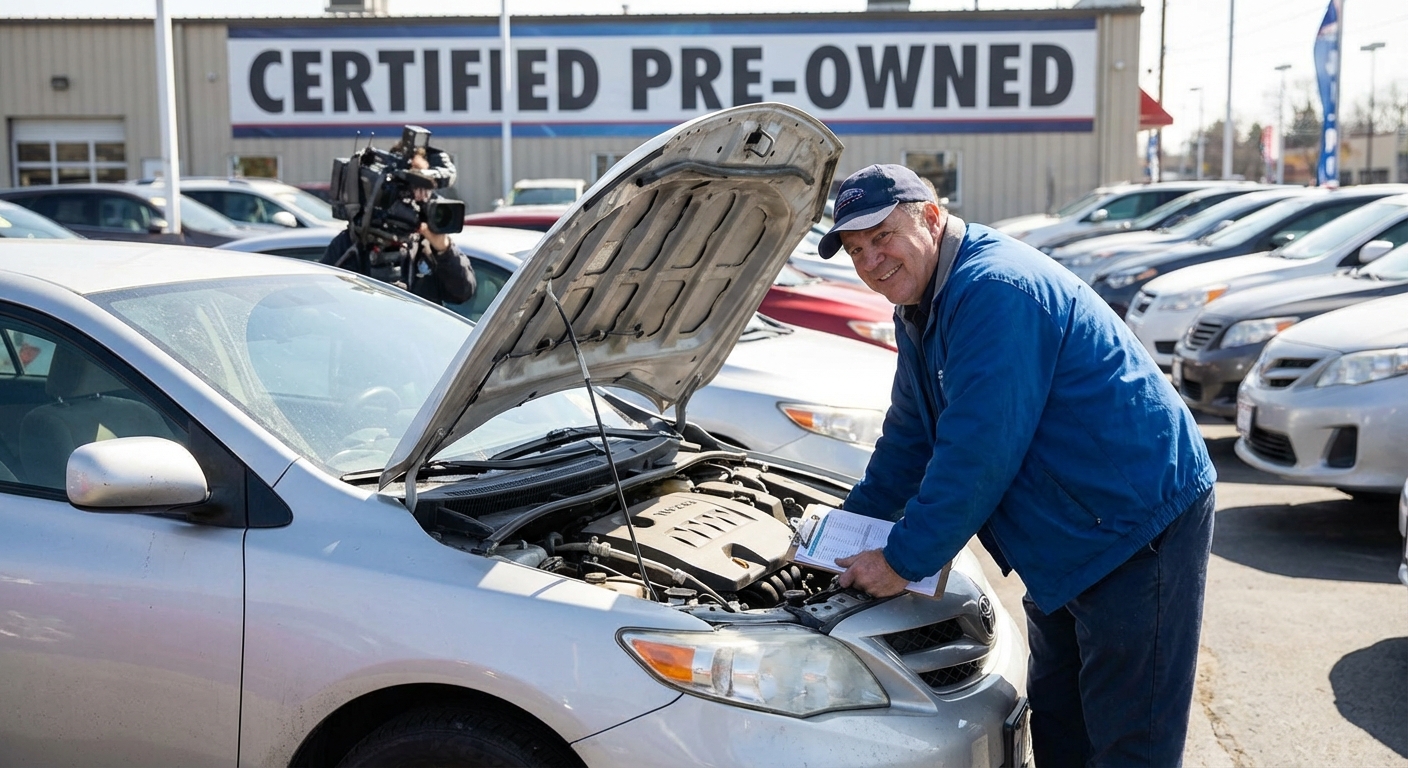
Of course, not every used Toyota is a home run. You still need to know what to look for.
Key Mechanical Features That Make a Used Toyota Dependable
When I evaluate a used Toyota for myself or friends, I always start with these mechanical pillars.
1. Proven Engines (The Workhorses)
Toyota has a few legendary engine families that I’ve come to trust:
- 1ZZ/2ZR series (Corolla, Matrix, some Prius c) – Small, efficient inline-4s. In my experience, these engines will outlast your patience as long as you keep up with oil changes.
- 2AR/2AZ series (Camry, RAV4) – Common 4-cylinder engines. The 2AR-FE (around 2010s models) in particular is known for solid reliability when serviced on schedule.
- V6 2GR-FE/2GR-FKS (Camry, Sienna, Highlander, Lexus models) – This is the one that made me a believer. I drove a 2012 Sienna with 210,000 miles, loaded with kids and luggage, up a steep mountain pass and it didn’t even flinch.
- TRD-tested truck engines (Tacoma, Tundra, 4Runner) – These are overbuilt for abuse. Many Tacomas and 4Runners with 200k+ miles are still daily drivers.
Not every engine is perfect. Early 2AZ-FE engines (found in some mid-2000s Camrys and RAV4s) could develop oil consumption issues. If I’m looking at one of those, I always:
- Check for blue smoke on cold start
- Ask for oil change records
- Inspect the dipstick for unusually low levels
A dependable Toyota isn’t just about the badge; it’s about the specific powertrain.
2. Transmission Types That Age Well
Toyota’s transmissions are usually more about longevity than flash.
- Traditional automatics (Aisin-sourced) – The 4-speed and 5/6-speed autos in older Corollas, Camrys, and RAV4s are almost absurdly durable. I’ve driven a 2008 Corolla with 260k miles where the transmission still shifted like it had something to prove.
- CVTs (Continuously Variable Transmissions) – Newer Corollas and some RAV4s use CVTs. They’re efficient but more sensitive to neglect. If I’m shopping a CVT Toyota, I always:
- Ask if the CVT fluid was changed on schedule
- Avoid cars that were obviously driven hard (rideshare, delivery)
- Truck/SUV automatics – The 4Runner, Tacoma, and older Tundras often use robust, lower-stressed automatics that handle towing and off-road use reasonably well.
The upside: Toyota rarely pushes transmissions to their design limits. The downside: the driving feel isn’t always sporty or exciting.
Safety & Reliability Features That Actually Matter
When I recently helped a friend choose between a 2015 and a 2018 RAV4, the big difference wasn’t just mileage—it was safety tech.
Toyota Safety Sense (TSS)
Around 2015–2017, Toyota started rolling out Toyota Safety Sense on many models:
- Pre-collision system with automatic emergency braking
- Lane departure alert
- Adaptive cruise control (on many models)
- Automatic high beams
If you’re choosing between two similar used Toyotas and one has TSS and the other doesn’t, I’d lean toward the one with TSS—especially if you do a lot of highway driving. It’s not perfect (lane-keeping can feel a bit ping-pongy on older systems), but it’s a real upgrade in everyday safety.
Crash Test Ratings & Reliability Data
Whenever I test a used Toyota, I’ll cross-check it with:
- IIHS crash test ratings – Many Toyota sedans and SUVs hit Top Safety Pick or better.
- NHTSA (U.S.) star ratings – Good for a quick basic safety snapshot.
- Consumer Reports reliability scores – Their data for Toyotas is broadly strong, but certain model years and trims stand out.
If a model has great reliability but mediocre crash test scores (some older small cars fall here), I don’t recommend it for families.
Model-Specific Highlights: Where Dependability Shines
Here’s what I’ve consistently seen from popular used Toyota models.
Toyota Corolla
If someone tells me they just need something cheap, efficient, and unbreakable, I point them to the Corolla.
Why it works:- Simple engines, simple transmissions
- Excellent fuel economy
- Parts are everywhere and cheap
- Rental-fleet abuse (ex-rentals can be okay if maintained, but inspect carefully)
- Cosmetic neglect—people don’t always “baby” Corollas
In my experience, a well-maintained 2012–2018 Corolla with under 150k miles is practically a guaranteed long-term commuter.
Toyota Camry
The Camry is the car I underestimated the most. It’s like that quiet coworker who secretly runs marathons every weekend.
Strengths:- 4-cylinder models: economical and durable
- V6 models: surprisingly quick and still reliable
- Comfortable for long trips
- Some earlier 2000s models had oil sludge problems if maintenance was ignored
- Check for cheap aftermarket parts from prior collision repairs
I recently drove a 2011 Camry LE with 190,000 miles, and it felt less rattly than some 80,000-mile competitors I’ve driven.
Toyota RAV4 & Highlander
These two hit the sweet spot for a lot of families.
RAV4:- Great mix of size and efficiency
- Good all-wheel-drive systems for bad weather
- Later models get solid safety tech
- Available V6 is a tank
- More space and better for road trips with kids
- Hybrid versions can be exceptionally efficient
The main thing I check on used RAV4/Highlander examples is maintenance of the AWD system: fluid changes, any odd noises from the rear differential, and even tire wear.
Tacoma & 4Runner
These two are legends for a reason—and their used prices reflect that.
Pros:- Body-on-frame toughness
- Vast aftermarket support
- High resale value (you lose less money over time)
- You will pay the “Toyota tax” up front
- Fuel economy is… let’s be nice and say “old-school”
- Ride quality is more truck-ish than car-like
When I tested a 2014 Tacoma with 165,000 miles, the interior plastics looked worn but nothing felt loose, and the drivetrain still felt confident. If you want dependable and don’t mind spending a bit more, they’re hard to beat.
Red Flags When Shopping Used Toyotas
Toyota reliability doesn’t cancel out abuse or neglect. I’ve walked away from plenty of "bulletproof" Toyotas because of these warning signs:
- Inconsistent oil change records – Long gaps or missing service history are a big no for high-mileage cars.
- Overmodded trucks/SUVs – Huge lifts, cheap tuners, and off-road scars often mean hard use.
- Salvage or flood titles – I don’t touch these unless I know the full story and trust the rebuilder.
- Rust in critical areas – Especially on older trucks in snow/salt states; frame rust is a serious concern.
I also always scan for active recalls (Toyota has an official lookup tool) and ask if they’ve been completed.
When a Used Toyota Isn’t the Best Choice
I’ll be honest: a used Toyota isn’t always the smartest pick.
You might want to look elsewhere if:
- You want the absolute lowest upfront price. Some competitors depreciate harder, so you can get more car for less money (but often with higher long-term risk).
- You crave cutting-edge tech or luxury. While Toyota’s improving, some rivals offer flashier interiors and more tech for the same year.
- You prefer sporty handling. A Mazda3 or certain Hondas will feel more fun than a Corolla or Camry.
What you’re mostly buying with a used Toyota is consistency. Fewer big surprises, lower odds of catastrophic repairs, and a car that just… keeps starting every morning.
How I Personally Shop for a Dependable Used Toyota
Here’s the rough playbook I use now:
- Pick a proven model + engine combo (e.g., Corolla 1.8L, Camry 4-cyl, RAV4 4-cyl, Tacoma/4Runner V6).
- Target mileage sweet spot: 60,000–140,000 miles with strong maintenance history.
- Check safety gear: Prefer trims with Toyota Safety Sense and solid crash test scores.
- Run a VIN history report to screen for accidents, title problems, and odometer issues.
- Get a pre-purchase inspection by an independent mechanic, not the seller’s buddy.
- Walk away if anything feels off. There will always be another used Toyota.
When I followed this process for my own Corolla, the result was boring in the best possible way: no drama, low running costs, and a car I barely have to think about.
If that sounds like what you want from your next vehicle, a carefully chosen used Toyota is still one of the most dependable bets on the road.
Sources
- iSeeCars – 20 Cars Most Likely to Last 250,000 Miles – Data-driven analysis of long-lasting vehicles, with Toyota dominance.
- Toyota USA – Toyota Safety Sense Features – Official overview of Toyota’s driver-assistance technologies.
- IIHS – Vehicle Ratings – Crash test results and safety ratings for specific Toyota models and years.
- NHTSA – Vehicle Safety Ratings – Federal crash and safety data on Toyota vehicles.
- Consumer Reports – Car Reliability Guide – Long-term reliability trends, including Toyota’s track record.