Guide to Choosing a Small Electric Car
s a turning point for me. Since then, I’ve test‑driven everything from budget city EVs to premium compact hatchbacks, and I’ve helped friends (and a couple of very skeptical relatives) pick the right one.
If you’re staring at a dozen glossy EV ads and thinking, they all look the same, you’re not alone. They don’t drive the same, they don’t cost the same to own, and they definitely don’t fit into your life the same way.
This guide breaks down how I actually evaluate a small electric car in the real world—beyond brochure numbers and Instagram hype.
Step 1: Get Honest About Your Real Range Needs
When I tested my first small EV, I was obsessed with range anxiety. I’d stare at the battery percentage like it was a stock market crash.
Then I tracked my driving for a week.
Turns out, I drove about 25–40 miles per day. That’s it.
Daily driving vs. dream driving
Ask yourself two separate questions:
- How far do I really drive on an average weekday?
- How often do I take long trips (150+ miles in a day)?
For most people commuting in cities or suburbs, a small EV with 150–220 miles of EPA-rated range is totally fine. According to the U.S. Department of Transportation, the average American drives about 37 miles per day (Federal Highway Administration data). That’s way below what even the most affordable small EVs can do.
Where it gets tricky is winter, highway speeds, and heavy AC/heat use. In my experience, expect 20–30% less real-world range in cold weather or fast motorway driving. When I drove a small hatchback EV on a winter highway trip, the 230‑mile rating behaved more like 170.
My rule of thumb:- Take your “ideal” range from the brochure.
- Subtract 25%.
- If that number still covers your daily use with a comfortable safety margin, you’re in business.
Step 2: Decide Where You’ll Charge (This Changes Everything)
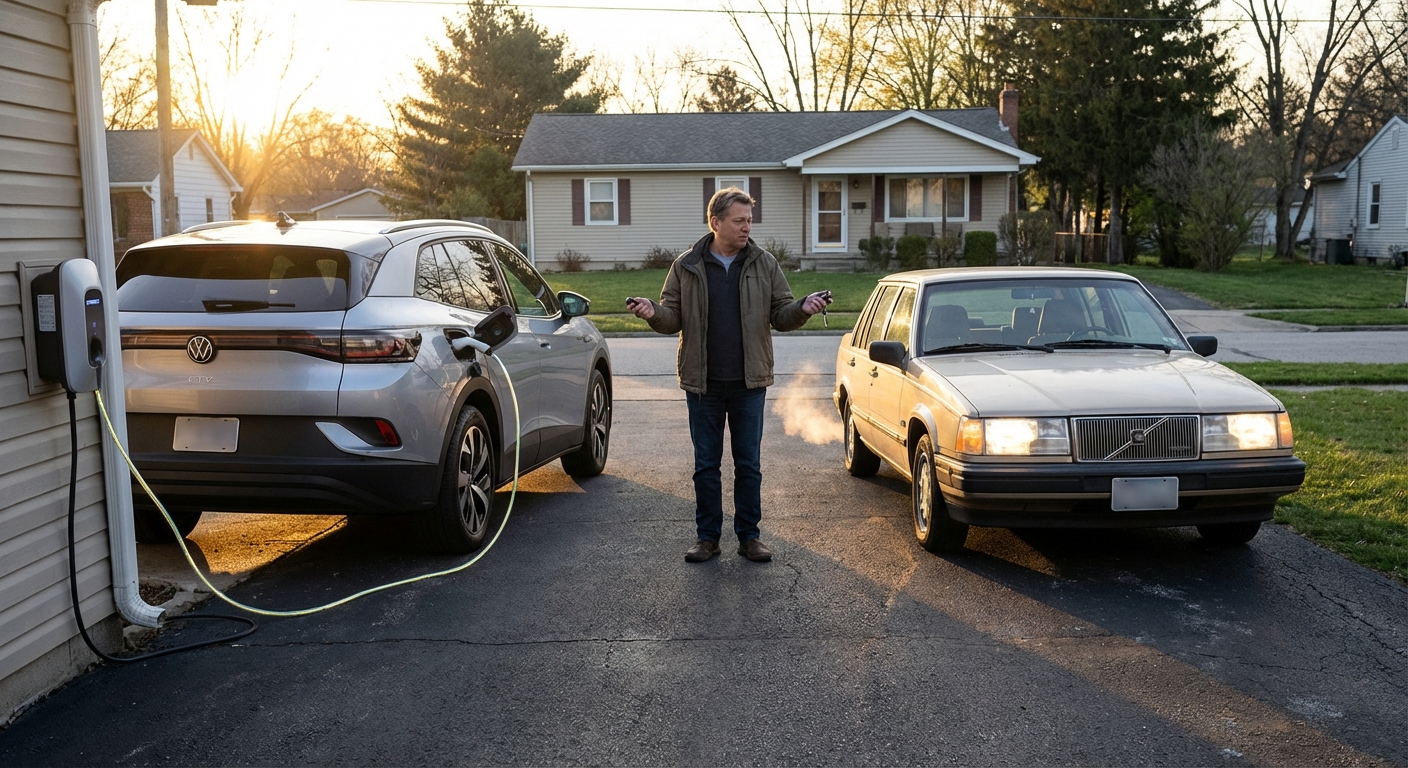
When I discovered home charging, it honestly felt like cheating. I’d plug in at night, wake up with a “full tank,” and forget gas stations even existed.
But not everyone has a driveway or garage, and this is where many small EV plans fall apart.
If you have home charging
If you can install a Level 2 charger (240V) at home:
- Range becomes less critical.
- You can prioritize price, size, and driving feel over giant batteries.
- A 150–200‑mile EV can feel like infinite range for city life.
I typically gain 25–30 miles of range per hour on a Level 2 charger, which means even a battery at 20% is basically full by morning.
If you depend on public charging
Now you need to think like a strategist:
- Check apps like PlugShare or ChargePoint and look around your home, workplace, and usual routes. Are there reliable fast chargers (DC rapid) nearby?
- Focus on fast-charging speed, not just battery size. A smaller battery that charges from 10–80% in 25–35 minutes can be more livable than a bigger, slower-charging pack.
When I tested a city EV with slower DC charging, sitting at a station for 55 minutes felt long. With a similar-sized car that could add ~150 miles in 30 minutes, the coffee break was just… normal.
If you live in an apartment with no fixed parking, I’d seriously consider:
- Whether your workplace offers charging
- How far the nearest reliable fast charger is
- How often you’re willing to spend 30–40 minutes plugged in
This is where some people realize a small plug‑in hybrid might actually fit their life better—for now.
Step 3: Size, Space, and the Reality of Your Stuff
Small electric cars look adorable until you try to fit a stroller, a dog, two suitcases, and the “just in case” shopping.
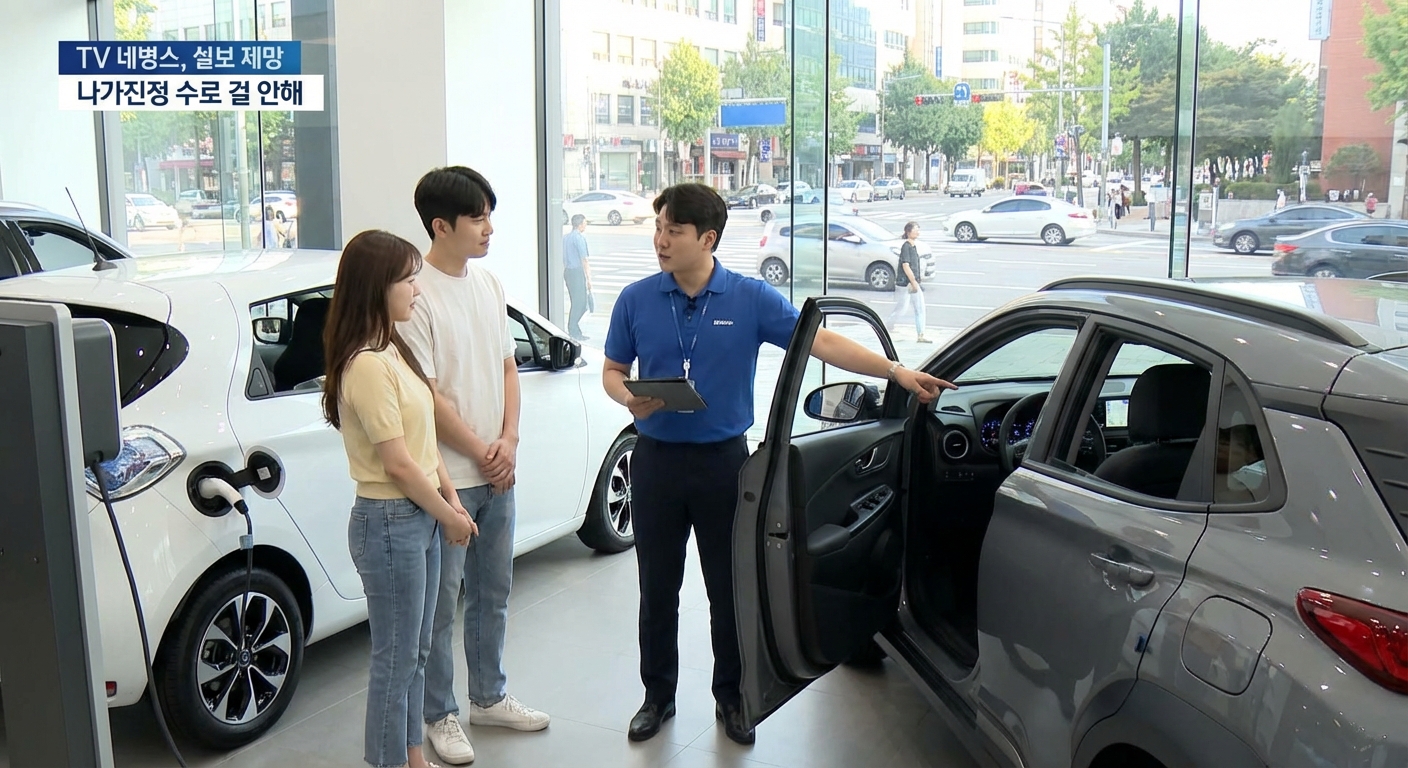
When I tested a compact EV hatchback for a weekend trip, I actually did a full luggage test in the dealership parking lot. Slightly embarrassing, totally worth it.
Questions I always ask myself:
- Rear seats up: Can I fit normal grocery runs plus a couple of backpacks without playing Tetris?
- Seats folded: Is it realistic for airport runs, flat-pack furniture, or weekend getaways?
- Headroom and legroom: If your friends are tall, bring one along and let them sit in the back. You’ll get the truth fast.
The sweet spot for small EVs, in my experience, is the compact hatchback and small crossover segment. They’re still easy to park and maneuver, but you’re not stuck with a toy trunk.
Step 4: Don’t Ignore How It Actually Drives
Specs never tell you how a car feels.
When I tested my first small EV, the instant torque was addictive. 0–30 mph felt way more responsive than the gas car it replaced, even though on paper it wasn’t “faster.”
Things I always pay attention to on a test drive:
- Low-speed smoothness: Any jumpiness when starting or stopping?
- One-pedal driving: Can you adjust the regen so lifting off the accelerator slows the car smoothly? I love this in city traffic—less brake pedal, more flow.
- Ride comfort: Small EVs can have stiff suspensions. Try bad roads, speed bumps, and rough patches.
- Noise: Most EVs are quiet, but wind and road noise become more obvious. On a highway test, I pay attention at 60–70 mph.
A lot of small EVs share platforms with gas cars. Sometimes that means compromises. Dedicated EV platforms often have a flat floor, better interior space, and lower center of gravity, which you can actually feel in corners.
Step 5: Total Cost of Ownership (Not Just the Sticker Price)
One of my favorite “wow” moments is when I show someone the real running costs of a small EV.
When I switched from a small petrol hatchback to a compact EV, my fuel cost per mile dropped by more than half. According to the U.S. Department of Energy, driving on electricity can be roughly equivalent to paying about $1.50 per gallon of gas or less in many regions, depending on rates and time-of-use tariffs.
Here’s how I break it down for myself and friends:
- Electricity vs. fuel: Estimate kWh per 100 miles (e.g., 25 kWh/100 mi) and your local electricity cost. Compare with your current fuel spend per 100 miles.
- Maintenance: No oil changes, fewer moving parts. Brakes last longer due to regenerative braking. I still budget for tires, cabin filters, and brake fluid.
- Insurance: Sometimes higher for newer EVs; get a quote before you fall in love with a specific model.
- Depreciation: Smaller EVs can lose value faster than popular mid-size models, although this is changing as the market matures.
Also look at incentives—tax credits, rebates, congestion charge exemptions, cheaper parking, or HOV lane access. In the U.S., some small EVs qualify for up to $7,500 in federal tax credits depending on assembly and battery sourcing rules.
Step 6: Tech, Safety, and the “Living With It Every Day” Factor
When I first drove a small EV with basic lane-keeping assist and adaptive cruise, I shrugged. Then I got stuck in a 1‑hour traffic jam and changed my mind very quickly.
For a daily city or suburban car, I really value:
- Good driver-assistance systems: adaptive cruise control, lane-keep assist, automatic emergency braking. Check how smooth they are, not just if they exist.
- Infotainment that doesn’t drive you insane: CarPlay/Android Auto, responsive screen, real knobs for core functions if possible.
- Heat pump (if available): More efficient cabin heating, better winter range. My winter energy usage dropped noticeably in a car with a heat pump compared to one without.
- Over-the-air updates: Some brands improve range, charging curves, and features over time. That’s not marketing fluff—I’ve personally seen cars gain better charging behavior after software updates.
Also, I always check crash-test ratings from organizations like Euro NCAP or the IIHS if available. Small cars can still be very safe, but I like seeing solid scores and up-to-date safety tech.
Step 7: Try Before You Buy (Properly)
When I helped a friend pick a small EV for her tight city parking spot, the real decider wasn’t range, or price, or even style.
It was how confidently she could maneuver and park it.
If you can, don’t just do a 10‑minute spin around the block:
- Test your actual commute route or something similar—merge onto a highway, sit in traffic, do some tight turns.
- Park it in a space like your regular one—street parking, underground garages, tiny supermarket lots.
- Open and close everything: rear hatch, charging port, rear doors in narrow spaces. I once rejected a car purely because the rear doors were annoying in tight spots.
A short-term rental or car-sharing service is gold here. When I rented a small EV for a full weekend, I learned more about its quirks (good and bad) than from any spec sheet.
Who Should Definitely Consider a Small Electric Car?
From what I’ve seen and experienced, a small EV is a fantastic fit if you:
- Mostly drive under 60–80 miles a day
- Have reliable home or workplace charging
- Live in a city or dense suburb where parking and maneuverability matter
- Want low running costs and don’t need a giant family hauler
Where I’ve seen people struggle:
- No access to regular charging and no nearby fast chargers
- Frequent long highway road trips with limited infrastructure
- Need to tow or carry large loads regularly
When it works, though? Small electric cars are quiet, quick off the line, cheap to run, and surprisingly relaxing to drive. Once you get used to waking up to a “full battery” every morning, going back to the gas pump feels… outdated.
If you approach the choice with clear eyes—realistic range needs, honest charging situation, proper test drives—you’re far more likely to pick a small EV that doesn’t just look good on paper, but actually makes your daily life easier.
Sources
- U.S. Federal Highway Administration – Average Annual Miles per Driver - Data on typical driving distances
- U.S. Department of Energy – Fuel Economy: Benefits and Considerations of Electricity as a Vehicle Fuel - Cost and efficiency of driving on electricity
- U.S. Department of Energy – Electric Vehicle Charging Basics - Overview of home, workplace, and public charging options
- Euro NCAP Official Website - Independent safety ratings for vehicles sold in Europe
- U.S. Internal Revenue Service – Clean Vehicle Tax Credits - Details on federal EV incentives in the United States